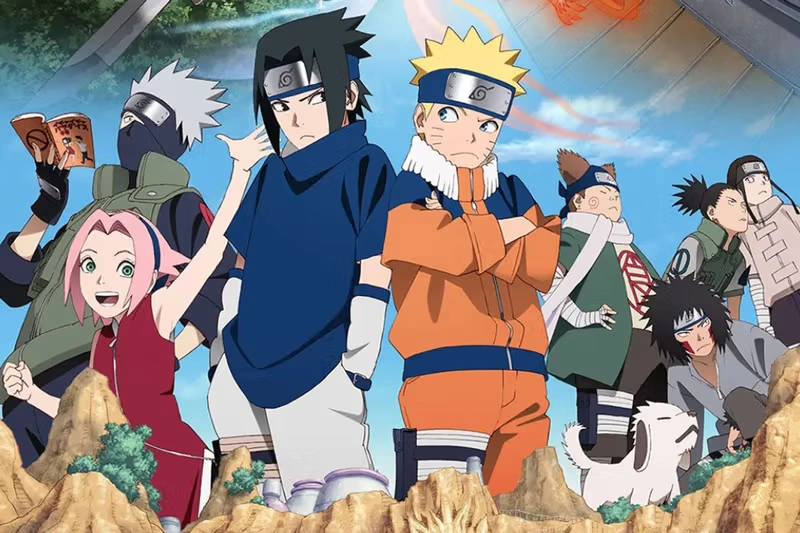
Naruto Story: From Social Outcast to Ninja Legend
Naruto Story: From Social Outcast to Ninja Legend | For generations growing up in the 2000s, the name Naruto Uzumaki is instantly recognizable. This blonde-haired ninja clad in vibrant orange has established himself as a global pop culture icon. However, behind the massive success lies a long journey fueled by dedication, deep philosophy, and boundless creativity from its creator, Masashi Kishimoto.
Through his artwork, Kishimoto does not merely deliver breathtaking martial arts battles. He weaves an emotional narrative about self-acceptance, hard work, and the true meaning of peace.
Creative Roots: The Genesis of the Ninja
The journey of this masterpiece began long before its first official volume hit the shelves. In 1995, Masashi Kishimoto created a one-shot manga titled Karakuri. This early work caught the attention of the Japanese comic industry, earning him the prestigious Hop Step Award from Shueisha, an honorable recognition for rising artists. This success served as a crucial stepping stone that fueled Kishimoto’s creative drive.
Two years later, in 1997, Kishimoto released the initial draft of Naruto as a one-shot comic. Although the concept differed slightly from the final version—where the main character was originally envisioned as a nine-tailed fox taking human form—the core intrigue and charm were already visible. The positive reception from readers ultimately convinced the publisher to greenlight a weekly serialization.
Narrative Structure: Two Pillars of a Compelling Life
In September 1999, Shueisha’s Weekly Shōnen Jump officially published the first chapter of this long-running series. The story spanned 15 years, concluding in November 2014 with a total of 700 chapters collected into 72 tankōbon volumes. Structurally, Kishimoto divided the ninja’s journey into two major, interconnected parts.
Part One: Pre-Adolescence and the Search for Identity
Spanning volumes 1 to 27, the initial part focuses on the main character’s childhood and early youth. Readers are introduced to a socially isolated orphan, shunned by his fellow villagers due to the monster sealed inside him. The narrative centers on his explosive ambition to become the Hokage—the supreme leader of his village—solely to gain acknowledgment from those around him. Here, the values of friendship, healthy rivalry, and rookie team dynamics form a solid foundation.
Part Two: Adulthood and Ideological Conflicts
Covering volumes 28 to 72, the story takes a time-skip of several years. The characters have grown both emotionally and physically. The conflicts evolve from simple ninja exams to inter-village political struggles, international criminal threats, and full-scale war. This segment explores darker themes, such as the cycle of hatred, sacrifice, and maintaining one’s principles in a world full of compromise.
Media Expansion: From Pages to the Screen
The skyrocketing popularity of the manga caught the attention of animation studios Pierrot and Aniplex, leading to an audiovisual adaptation. The first anime series aired in October 2002 on TV Tokyo. Following the manga’s structure, the television adaptation was divided into two iconic titles, broadcasting continuously until March 2017.
The franchise’s expansion did not stop at television; it permeated various sectors of the entertainment industry. Studio Pierrot produced 11 animated feature films that expanded the universe, alongside 12 Original Video Animations (OVAs) offering extra content for loyal fans. This success naturally flowed into the gaming industry across multiple console generations, light novel publications, and highly collectible trading card games.
When the father’s story concluded, the franchise did not fade away. The narrative baton was passed down through the sequel series, Boruto. Focusing on the next generation, specifically Naruto’s eldest son, Boruto Uzumaki, the story explores a young boy trying to forge his own ninja way beneath the massive shadow of his legendary father.
Global Dominance and Astounding Sales Records
Statistical data serves as undeniable proof of how this work broke geographical and cultural boundaries. To date, more than 250 million copies of the manga are in circulation worldwide. This milestone places it in an elite rank as one of the best-selling manga series of all time.
In North America, Viz Media acted as the official licensee, publishing the series both digitally and in print. The story’s resonance in the Western market was extraordinary. The English translations frequently topped prestigious bestseller lists, including USA Today and The New York Times. In 2006, the seventh volume made history by winning a Quill Award, a distinguished literary honor in the United States rarely achieved by translated graphic novels.
Critical Breakdown: Why Is This Story So Beloved?
The success of any artwork relies heavily on the quality of its content. Literary critics and pop culture analysts consistently praise several key elements brought forward by Masashi Kishimoto.
-
Dynamic Character Development: One of the core strengths lies in its multi-dimensional characters. Even the antagonists are given profound backstories and humane motives, allowing readers to understand, or even sympathize with, their actions. The protagonist’s emotional maturity from a rebellious child into a wise protector is written organically.
-
Emotional Storytelling: The story possesses an incredible ability to move its audience. Moments of loss, reunions, and sacrifices are crafted with high dramatic sensitivity, making readers feel as though they are growing alongside the characters.
-
Deep Philosophical Themes: Beneath the exciting battles lies a profound exploration of coming-of-age themes. Kishimoto seamlessly weaves rich cultural references, ranging from traditional Japanese mythology and Shinto beliefs to Confucian values regarding loyalty, respect, and social responsibility.
Nevertheless, the masterpiece is not without its flaws. Some critics pointed out pacing issues in certain arcs, particularly toward the finale, where prolonged battle scenes were viewed as dragging down the main plot. In the anime adaptation, the excessive amount of filler episodes also sparked debate among fans. However, these criticisms did not diminish the global adoration for the franchise.
An Enduring Cultural Legacy
More than just an entertaining comic, this ninja saga has transformed into a macro-cultural phenomenon. Its core values—never giving up, breaking the cycle of hatred, and staying loyal to friends—have inspired millions worldwide. Its iconography, from the forehead protectors with swirling crests to the signature arms-backwards running style, has become a universal language recognized across generations.
Through over a decade of storytelling, Masashi Kishimoto proved that a story deeply rooted in local Japanese culture can achieve universal appeal when built upon genuine human values. This legacy is certain to live on, continuously read and embraced by generations to come.
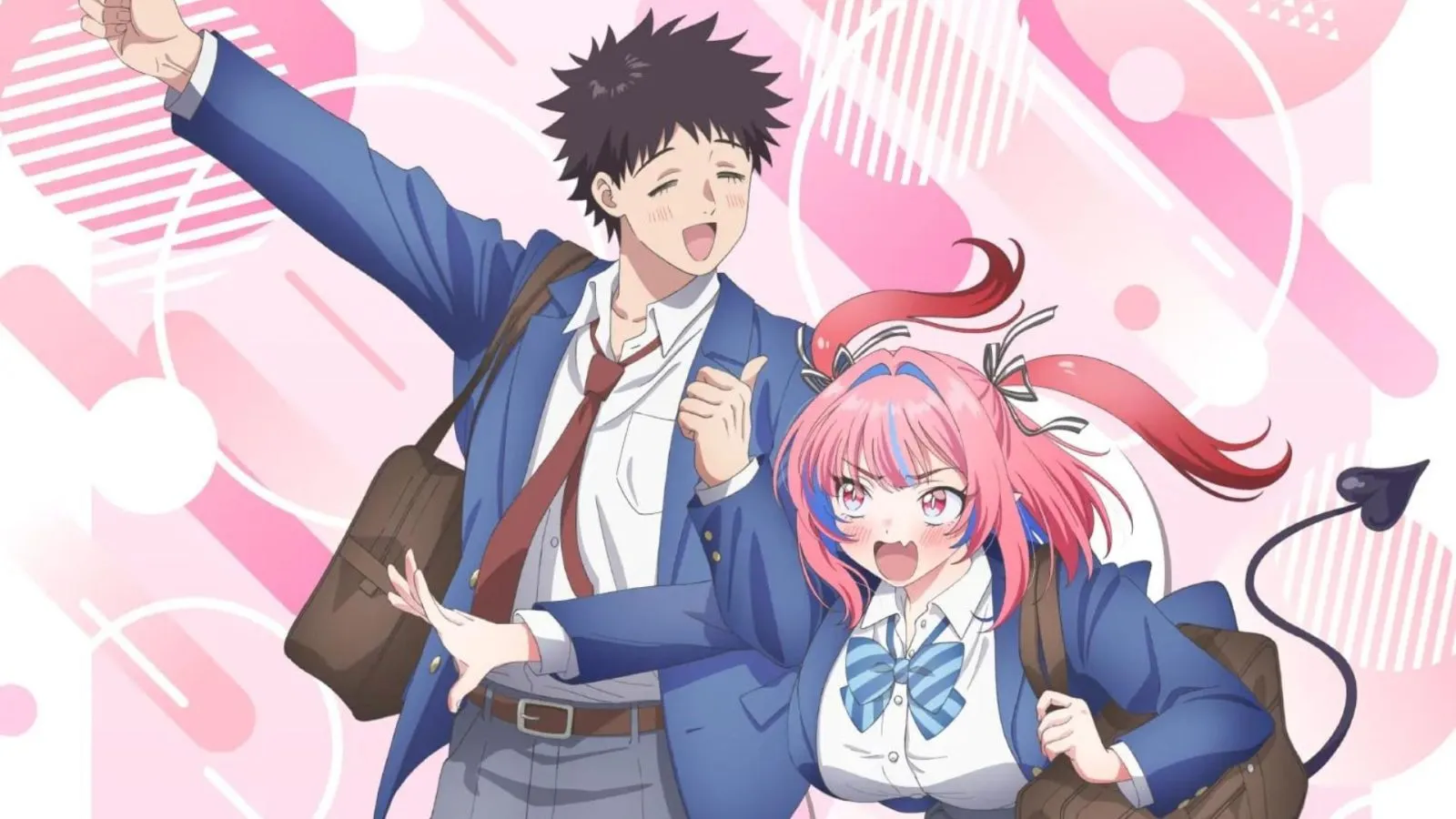
5 Best Romance Anime of 2026 You Need to Watch
5 Best Romance Anime of 2026 You Need to Watch | Entering 2026, the Japanese animation industry is truly pampering fans of love stories and teenage dramas. For those who adore sweet relationship dynamics, romance, and situational comedy, this year’s latest releases bring a breath of fresh air that is simply too good to miss. Ranging from long-awaited shojo manga adaptations to sequels with fierce fanbases, this year promises a rich and emotional variety of stories.
Interestingly, the trend this year does not just focus on complicated love triangles or excessive tear-jerkers. Instead, creators are choosing to highlight character depth, healthy communication between protagonists, and the warmth of everyday moments that feel remarkably close to real life.
If you are currently putting together a watchlist to fill your spare time, let’s dive deeper into five highly recommended new romance anime in 2026 that should definitely be on your radar.
1. Kaoru Hana wa Rin to Saku: Proof That Differences Are Not Barriers

Speaking of adaptations generating massive hype among manga readers, Kaoru Hana wa Rin to Saku (known internationally as The Fragrant Flower Blooms with Dignity) stands right at the forefront. Ever since its production announcement leaked, this series immediately sparked heated discussions across various online forums. Many analysts and fans instantly compared it to the success of Horimiya, particularly regarding its presentation of a pure, mature romance supported by highly satisfying character growth.
Broadly speaking, the storyline centers on the relationship between two teenagers from schools with completely opposite reputations. On one side, there is Chidori High School, an all-boys school whose students are often labeled as rough delinquents. On the other side stands Kikyo Girls’ High School, an elegant institution filled with girls from respectable families. An accidental meeting between Rintaro Tsumugi from Chidori and Kaoruko Waguri from Kikyo becomes the initial spark for a beautifully woven tale.
The main appeal of Kaoru Hana wa Rin to Saku lies in how it handles conflict. Rather than relying on drawn-out misunderstandings or annoying antagonists, the anime focuses on genuine feelings, overcoming social prejudices, and how the two main characters support one another. Each episode is wrapped in soft visuals and touching dialogue, making it the perfect choice for anyone longing for a soothing romantic watch without unnecessary stress.
2. The Angel Next Door Spoils Me Rotten Season 2: The Return of the Most Adorable Couple

Following the massive success of its first season, which stole the hearts of millions of viewers, the sweet story of Amane Fujimiya and Mahiru Shiina finally continues into its second season. The arrival of The Angel Next Door Spoils Me Rotten Season 2 comes as an answer to fans longing for more domestic interactions filled with adorable, heartwarming moments.
For those unfamiliar, their relationship began as strangers living in adjacent apartments, gradually growing closer due to genuine, small acts of kindness. Mahiru, known as the most perfect and beautiful girl at her school, slowly begins to show her vulnerable and pampered side only in front of Amane, a loner who initially lived a messy lifestyle.
In this second season, the development of their relationship is predicted to take a more mature path while maintaining the essence of warmth that defines the series. The romance anime community highly appreciates this title for its relaxed storytelling, minimal heavy drama, and focus on the emotional comfort built by the two main characters. Watching this series feels like drinking a cup of hot chocolate on a rainy day; it is soothing, sweet, and leaves you smiling throughout the episode.
3. Aishiteru Game wo Owarasetai: When Childhood Friendship Becomes a Stakes of Love
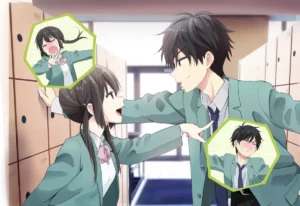
The childhood-friends-to-lovers concept is nothing new, but Aishiteru Game wo Owarasetai (I Want to End This Love Game) manages to package this classic formula into something highly competitive and addictive. The story centers on two teenagers named Yukiya and Miku who have been friends since they were very young.
To hide their mutual feelings, they start a unique psychological game during junior high school. The rule of the game is simple: whoever blushes, gets nervous, or confesses their love first loses. The game, which started as a mere childhood joke, gradually turns into an intense emotional battleground as they grow into teenagers.
Intense tension, high pride, and deeply buried feelings act as the primary fuel driving the plot. Viewers will be treated to various hilarious yet thrilling strategies from both characters to make each other fluster. This push-and-pull dynamic keeps the audience intrigued and teased, hoping the silly game will soon end with an honest confession.
4. Class de 2-banme ni Kawaii Onna no Ko to Tomodachi ni Natta: The Beauty of Simple School Romance
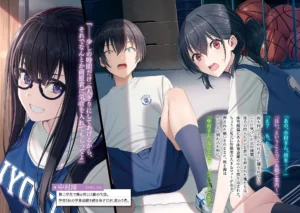
The next title you cannot miss is Class de 2-banme ni Kawaii Onna no Ko to Tomodachi ni Natta, also known as I Made Friends with the Second Prettiest Girl in My Class. This anime takes us back to the roots of lighthearted school romance, set in school corridors and featuring highly familiar teenage social dynamics.
The plot focuses on an ordinary student who unexpectedly strikes up a close friendship with a girl identified by her peers as “the second prettiest girl in class.” Beneath this superficial label, she turns out to have a delightful, unique personality and a hidden side unknown to others.
The narrative approach tends to follow classic teen romance styles, where romantic bonds grow organically from a sincere friendship. There are no grand ambitions or over-the-top plots here. Its core strength relies purely on fun daily conversations, awkward teenage realizations of attraction, and a colorful portrayal of youth. For those who enjoy stories that flow naturally without the burden of complicated conflict, this title is an excellent choice.
5. Exploring Shojo and Summer Romantic Comedies: Mystery and Unique Disguises
The second half of the year is also marked by the revival of various new shojo titles offering refreshing premises. One project drawing significant attention is the latest work produced by the renowned animation studio, Brain’s Base. Known for its skill in blending emotion and comedy, the studio delivers a romantic tale wrapped in themes of disguise and secret identities.
The plot revolves around the life of an ordinary young man who accidentally finds himself in an unusual situation: he must become the secret caretaker for the most popular and admired girl at his school. In public, the girl appears perfect, untouchable, and charming. However, behind closed doors, she leads a contrasting private life that requires assistance and protection.
This disguise premise naturally opens up great opportunities for hilarious situational comedy and thrilling, intimate moments. The blend of situational humor, secrets that must be strictly kept, and the blossoming seeds of love between two different worlds makes this Brain’s Base project one of the highlights of this year’s summer anime lineup.
Why This Year’s Anime Romance Trend Is So Captivating
Looking at the five recommendations above, a shift in global viewer interest is clearly visible. Modern audiences tend to appreciate comfort anime over toxic, drawn-out misunderstandings engineered solely for ratings.
The presence of titles like Kaoru Hana wa Rin to Saku and the continuation of The Angel Next Door proves that healthy communication and mutual respect between characters can be incredibly compelling. Combined with the fresh humor of uniquely conceptualized romantic comedies, this year successfully serves up a balanced entertainment landscape for all anime fans.
So, grab your snacks, clear your schedule, and make sure to add these titles to your must-watch list. Happy watching, and enjoy these sweet, colorful love stories!
The Best Psychological Anime Releases to Watch in 2026
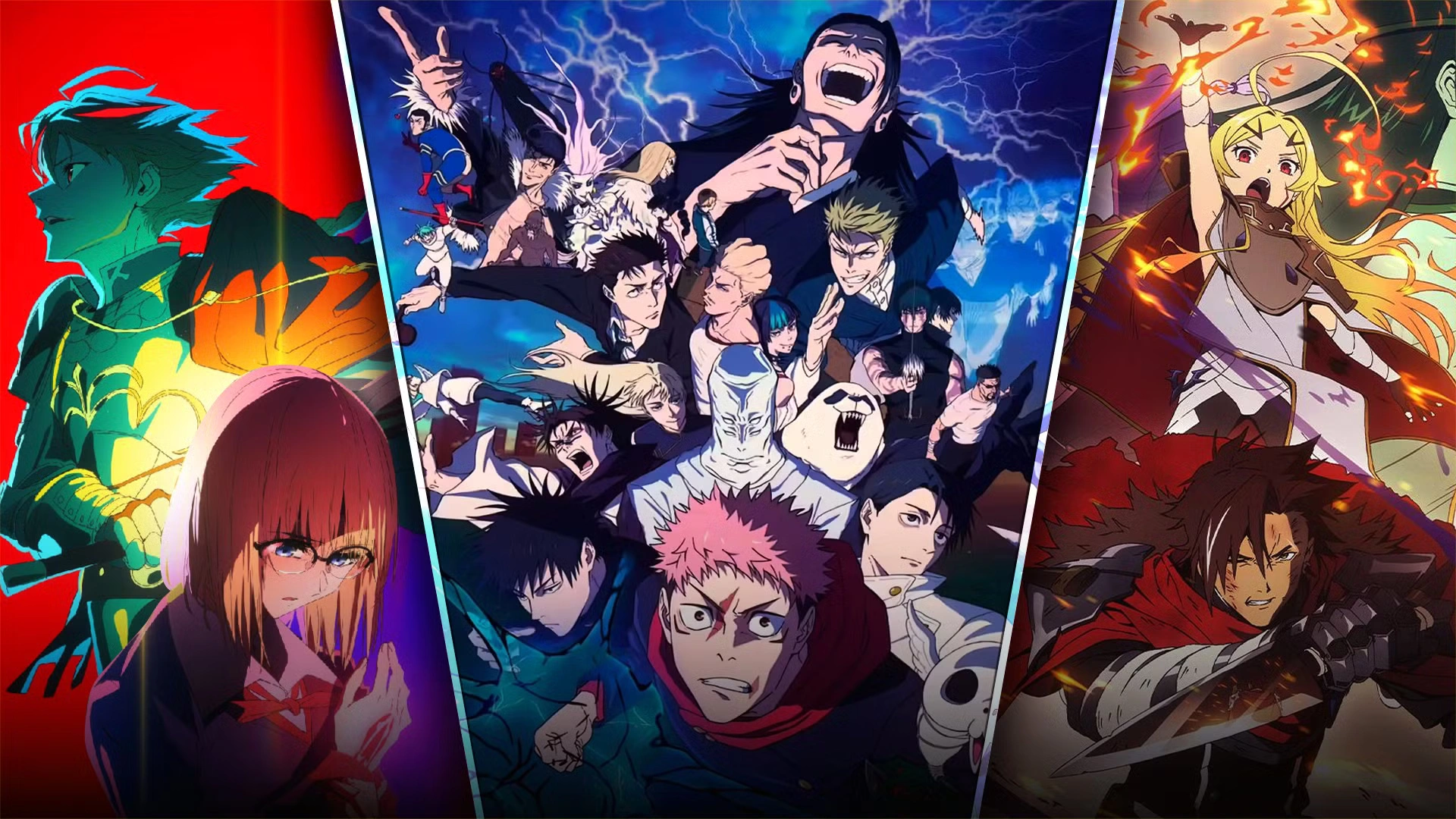
The Best Psychological Anime Releases to Watch in 2026 | Enjoying tension that challenges logic and pumps adrenaline has its own unique appeal for Japanese animation enthusiasts. The psychological genre does not merely present physical conflict; it is a mental battlefield where characters—and the audience—are forced to question morality, truth, and the very boundaries of human sanity. Entering 2026, the anime industry is welcoming a wave of highly anticipated suspense. From the return of legendary classics to fresh adaptations driven by emotional manipulation, this year stands out as a golden era for anyone craving intricate narratives and mind games.
If you are a viewer who appreciates intellectually stimulating shows with a gripping atmosphere, prepare to be glued to your screen. The latest titles releasing this year promise intense internal conflict and complex moral dilemmas. Let us dive deeper into the standout releases of the year and discover why they absolutely deserve a spot on your watchlist.
The Dominance of Mind Games and Emotional Manipulation
High-quality psychological suspense always manages to blur the line between ally and enemy. Viewers are not just passive observers; they are compelled to analyze every character’s move, trying to deduce who is pulling the strings and who is falling into a trap. This exact atmosphere forms the core appeal of this year’s latest releases.
Liar Game: The Stage of Deceit and Game Theory
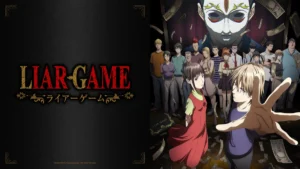
Premiering in April 2026, Liar Game instantly captured attention as one of the purest psychological thrillers of the year. The story revolves around a mysterious tournament fueled by lies, betrayal, and massive financial stakes. In this arena, honesty is the ultimate weakness, while the ability to manipulate others becomes the sole ticket to survival.
What makes this anime so captivating is its deliberate application of game theory to every conflict. Characters cannot rely on sheer luck; they must calculate probabilities, anticipate betrayal, and devise multi-layered strategies to outsmart their opponents. Viewers are treated to constant tension, witnessing how fragile trust can be shattered in an instant for the sake of money and self-preservation. Each episode serves as a sociological study of how far humans are willing to fall when pushed by greed and desperation.
The Revival of Monster: The Return of a Masterpiece

Two decades have passed since the legendary series Monster first shook the anime world. Twenty years after its debut, this masterpiece of psychological suspense has made a surprising comeback with fresh adaptations and continuing releases. For longtime fans and new generations alike, the return of this franchise is a monumental event in thriller history.
Monster is renowned for its ability to delve into the darkest corners of human nature. Through a slow-burning yet lethal narrative, the series explores the duality of absolute good and evil. With this latest version, viewers are once again treated to a profound investigation of past trauma, charismatic manipulation, and the search for answers to a timeless sociological question: is a monster born, or is it created by society? The arrival of this new release proves that mature, philosophical suspense never goes out of style.
Exploring Trauma and Reality from Different Angles
Interestingly, the psychological thriller trend is not confined to modern-day settings or conventional true crime. Several creators have successfully packed mental and emotional conflicts into fantasy and dystopian sci-fi settings, offering refreshing yet chilling new perspectives.
Witch Hat Atelier: The Dark Side of Ambition and Magic
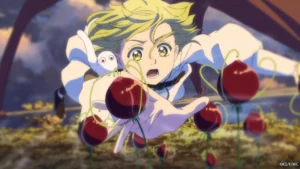
At first glance, Witch Hat Atelier looks like a beautiful, classic fantasy story filled with wonder. However, the adaptation hitting screens this year proves that beneath its aesthetic visuals lies a deep psychological exploration. The anime goes far beyond simple spells and broomsticks, digging into the severe mental consequences of unchecked ambition.
Through the characters’ journeys, the audience witnesses how past trauma and an obsession with power can distort one’s perception of reality. The boundary between right and wrong blurs when magic is used as an escape from internal pain. The psychological weight of this series lies in how the characters battle their own helplessness, face the moral consequences of their choices, and navigate how the strict laws of the magic world strain their mental well-being.
Gachiakuta: Surviving Amidst Utter Betrayal
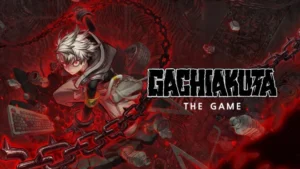
Shifting to a much grittier and darker atmosphere, Gachiakuta stands out as one of the most anticipated titles due to its raw emotional intensity. Set in a world defined by inequality and cruelty, the story focuses on the survival of a character cast down after being betrayed by those closest to him.
The narrative centers heavily on the protagonist’s internal resolve and psychological fortitude. Losing everything in the blink of an eye forces the main character to rebuild his mental fortress from absolute ruin. The heavy theme of betrayal blends seamlessly with a struggle to maintain identity within a corrupt environment. The series offers a raw look at how hatred and a hunger for justice can fuel a person to keep moving forward, while simultaneously acting as a poison that erodes their humanity.
Why Does the Psychological Genre Captivate Audiences?
The audience’s fascination with these mind-bending stories does not happen by accident. There is a distinct satisfaction in being challenged to think alongside the protagonist. Watching anime like Liar Game or Monster provides an intellectual stimulus rarely found in mainstream entertainment.
Key elements that keep this sub-genre special include:
-
Morally Grey Characters: No character is entirely pure or completely evil. Everyone acts based on hidden motives, trauma, or pure survival instincts.
-
Non-Physical Tension: Conflicts are often resolved through dialogue, intense gazes, or quiet strategy. The resulting dread is often far more gripping than explosive physical battles.
-
Self-Reflection: These stories frequently throw difficult questions back at the viewer: “What would you do if you were in their shoes?”
Looking Ahead at the Future of Anime Suspense
Looking at the lineup for this year, it is evident that the anime industry is growing bolder in tackling mature, philosophical, and intellectually challenging themes. Reviving a classic like Monster while giving room to fresh concepts like Liar Game demonstrates a perfect balance between honoring the roots of the genre and pursuing narrative innovation.
For those tired of predictable plots, these titles are the perfect answer. Prepare yourself to watch trust shatter, ambitions twist, and sanity test its limits. This year is not just about visual entertainment—it is a time to challenge your own mind through the finest psychological masterpieces anime has to offer.
Blue Lock Review: The Ultimate Egoist Anime Guide
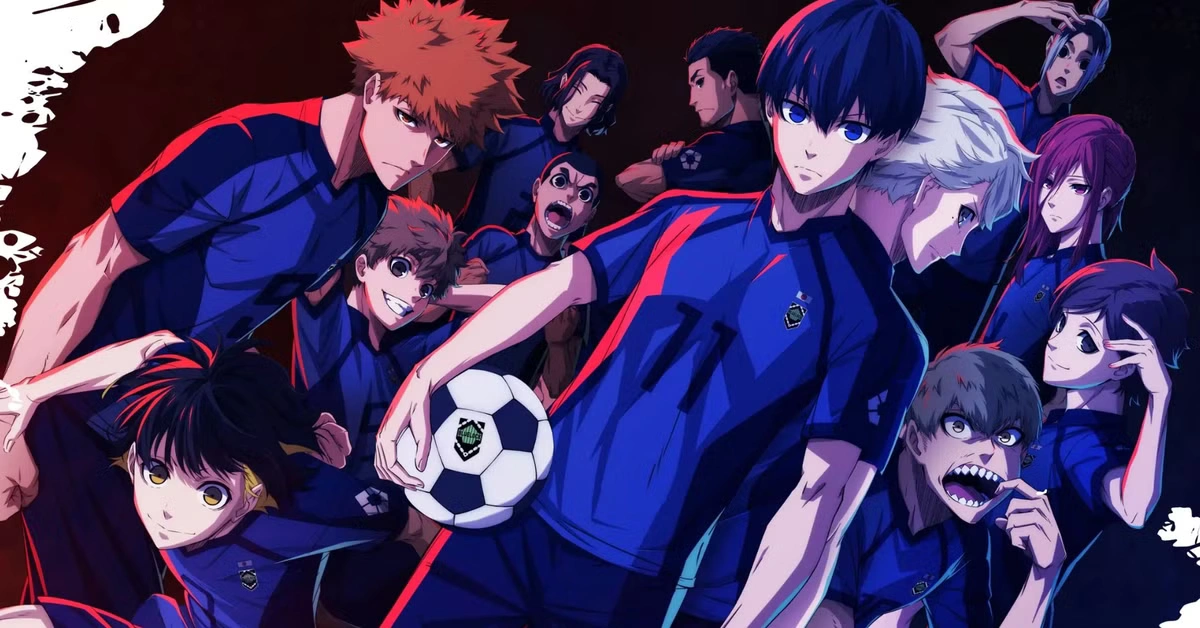
Blue Lock Review: The Ultimate Egoist Anime Guide | Often, sports or traditional shonen stories glorify the power of teamwork, friendship, and self-sacrifice for the common good. This concept has been a proven formula that has touched the hearts of audiences for decades. However, a radical breakthrough emerged when Muneyuki Kaneshiro and Yusuke Nomura released a manga titled Blue Lock in August 2018 through Weekly Shōnen Magazine. This series completely flips these friendly conventions on their head by championing a highly contrasting philosophy: absolute selfishness is the ultimate key to peak glory.
This bold move has proven to yield extraordinary results. Starting from the pages of a weekly comic, the tale of finding Japan’s greatest striker transformed into one of the biggest global pop culture phenomena. The manga’s circulation figures, crossing over 50 million copies worldwide, stand as solid proof of just how much this “insane” formula is adored. This achievement was cemented further when it won the prestigious 45th Kodansha Manga Award in the shonen category. This success solidifies its position as one of the best-selling comic series of all time.
For those of you who enjoy high-tension viewing, fierce competition, and unconventional character development, let us dive deep into why this experimental project is so captivating and how it has evolved so far.
Synopsis and Premis: When Ego Becomes the Ultimate Weapon
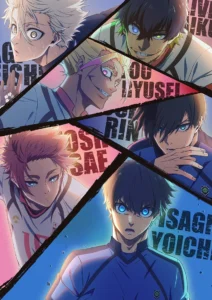
The backdrop of the story begins at the absolute nadir of Japanese football. After their national team was eliminated and could only manage a 16th-place finish at the 2018 FIFA World Cup, the Japan Football Union (JFU) realized a massive void existed in their squad. Japan possessed solid teamwork, but they lacked a single pure forward who hungered for goals—a predator in the penalty box who would do whatever it took to score.
To resolve this acute issue, the JFU hires an eccentric and mysterious coach named Jinpachi Ego. The grand plan he proposes is extreme: gather 300 of the most talented young forwards from high schools across Japan, then lock them inside a massive, ultra-strict training facility called Blue Lock.
Inside this facility, which resembles a modern prison, the players are forced to eliminate one another in a series of physically and mentally draining trials. The rules of the game are ruthless. Those who fail and are eliminated from the program will face a harsh penalty: being banned for life from ever representing the Japanese national team in any tournament.
The story centers on Yoichi Isagi, a young forward who is initially unknown. Isagi is frequently plagued by internal conflict due to his playing style, which tends to be passive and overly focused on passing for the sake of teamwork—a past decision that destroyed his dream of advancing to the national tournament. Driven by curiosity and a buried ambition, Isagi decides to enter the vortex of the Blue Lock competition. He must battle against 299 other egotistical forwards to hone his own talent and transform into the best striker in the world.
Examining the Highly Accomplished Anime Adaptation Journey
The overwhelming success of the print version meant a visual adaptation was only a matter of time. Animation studio Eight Bit took on this massive responsibility by appointing director Tetsuaki Watanabe to lead the first season. That decision proved to be spot on.
Season One: The Gateway to a Global Phenomenon
Premiere running from October 2022 to March 2023 across 24 episodes, the first season of the anime immediately captured widespread attention. Viewers were treated to sharp visuals, dynamic character movements during ball-handling, and the dramatization of each character’s “monster” aura whenever their ego awakened.
The appeal of this first season was also backed by an iconic lineup of theme songs. The first opening theme, titled “Chaos ga Kiwamaru” and performed by Unison Square Garden, successfully transferred the chaotic energy and burning ambition of the story directly into the ears of the audience. Combined with the second opening theme, “Judgement” by Ash Da Hero, the high-pressure atmosphere of the matches felt even more alive.
Expanding the Story Through a Different Perspective
Seeing the massive enthusiasm, the project quickly expanded its universe. In April 2024, a feature-length film titled Blue Lock: Episode Nagi was officially released in theaters. This movie adapts the spin-off manga by Muneyuki Kaneshiro and Kōta Sannomiya, which focuses on the perspective of Seishiro Nagi, the lazy genius. This step provided a new layer of depth for loyal fans to see how the brutal training system inside Blue Lock was perceived through the eyes of a naturally talented character other than Isagi.
Season Two and the Certainty of the Story’s Continuation
The triumph continued when the second season, bearing the subtitle vs. U-20 Japan, aired from October to December 2024. True to its title, this season presented a life-or-death battle between Blue Lock’s finest players and the established Japan U-20 national team. With the very existence of the Blue Lock program on the line, the tension delivered was far more explosive. This season was accompanied by the high-powered opening theme “Bōjaku no Charisma” by Unison Square Garden and the emotional ending theme “One” from the idol group Snow Man.
Good news for its dedicated fans did not stop there. At the grand Blue Lock Egoist Fest 2025 event, the production team officially confirmed that a third season was already in the works. This newest season is locked in to cover the highly anticipated Neo Egoist League story arc, where the competition ascends to a much more brutal international level.
A Massive Leap Towards the Live-Action Format
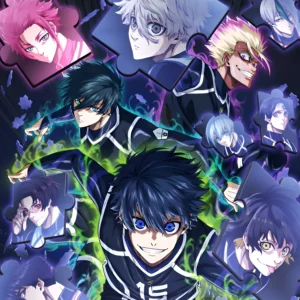
The expansion of this franchise shows no signs of slowing down. Aside from dominating the manga and anime sectors, this project is ready to challenge a new medium that is often considered high-risk by Japanese creators: a live-action film adaptation.
The live-action movie is scheduled to premiere in Japanese theaters in August 2026. Given the complexity of the visual effects, the supernatural aura of the characters’ manifesting egos, and the unrealistic football choreography found in the manga, this project is certainly a massive challenge as well as a major point of interest. Critics and fans alike are now watching closely to see how the director and visual effects team can translate the stunning actions on the pitch into real life without losing the essence of the original tension.
Analysis of Strengths and Weaknesses
As a balanced reference and review material, here is a summary regarding the core pillars that serve as both the main appeal and critical notes of this series.
Standout Strengths That Serve as Main Attractions
-
A Fresh and Bold Concept: The courage to discard the cliché narrative about “the beauty of cooperation” and replace it with brutal internal competition makes this story highly addictive and unpredictable.
-
Dynamic Character Development: The audience does not just watch Isagi grow, but also witnesses how supporting characters like Bachira, Chigiri, or Barou must shatter their old mentalities to forge entirely new capabilities.
-
Intense Visual Tension: In both the manga and animation, the depiction of glowing eyes, dark auras enveloping the body, and visual analogies during pitch strategy formulation are executed with great theatrical flair.
Critical Drawbacks to Consider
-
Hyperbolic Dialogue: The dialogue between characters is often overly dramatic, harsh, and filled with extreme metaphors that might feel a bit unrealistic for some casual fans of conventional football.
-
Occasionally Overlooked Football Logic: For the sake of highlighting individual talent and the selfishness of a forward, several tactical defensive aspects and the roles of other positions in real-world football are sometimes pushed aside or made to look weak.
Blue Lock has proven itself to be far more than just an ordinary sports comic passing through. Through an anti-mainstream narrative approach, consistent tension management, and the support of a high-quality anime adaptation, this franchise has successfully secured its position at the top tier of the Japanese entertainment industry.
With the manga continuing to run across dozens of volumes, the guaranteed arrival of a third season, and a live-action film experiment ready to greet fans, this saga of finding the most egotistical goal-scorer is far from over. For those looking for a high-adrenaline watch that drains the emotions and turns the logic of friendship upside down, this series is an absolute recommendation that must not be missed.
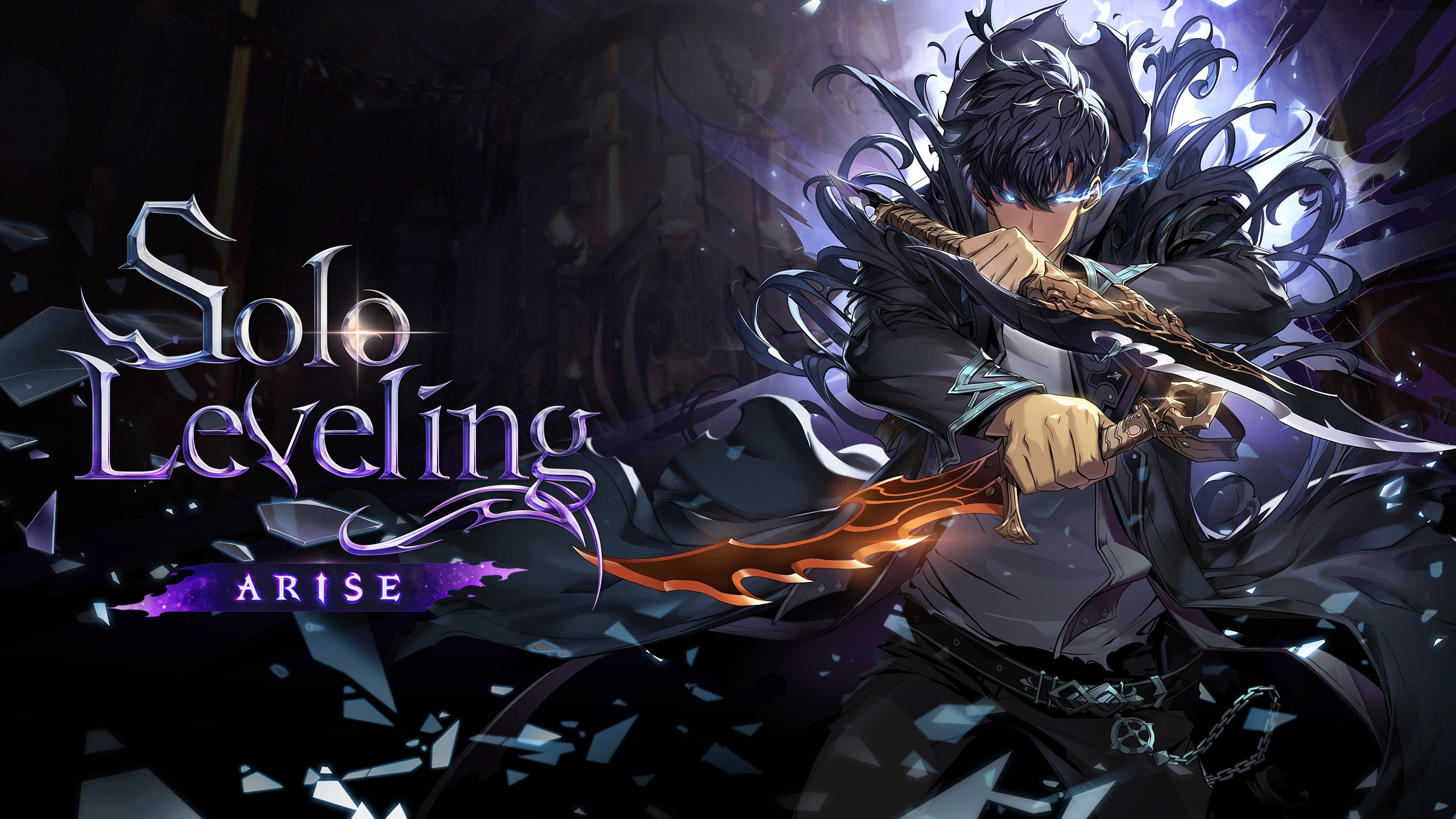
Solo Leveling Review: The Magic Behind the Success
Solo Leveling Review: The Magic Behind the Success | Fans of fantasy and action are undoubtedly familiar with the name Sung Jin-woo. This iconic character originates from one of South Korea’s most phenomenal franchises, Solo Leveling. Starting its journey as a modest digital story, this masterpiece has successfully transformed into a global media powerhouse, dominating webtoon charts and securing massive animated adaptations.
How exactly did this legendary franchise reach its current monumental status? Let’s trace its remarkable history.
Originating from Chugong’s Vision on KakaoPage
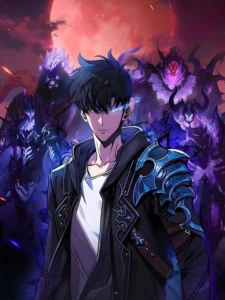
This epic tale was born from the mind of author Chugong. On July 25, 2016, he first released the story as a Korean web novel titled Na Honjaman Rebereop (나 혼자만 レベルアップ), which literally translates to “Only I Level Up.” The story was published through KakaoPage, a digital comic and fiction service owned by tech giant Kakao.
Recognizing the massive enthusiasm from digital readers, D&C Media quickly noticed its immense potential. Just a few months later, on November 4, 2016, the story was officially printed as a light novel under the Papyrus imprint.
As its popularity skyrocketed beyond domestic borders, the work was translated into English under the title Only I Level Up on the Webnovel platform and was later published in physical format by Yen On.
The Visual Explosion via the Webtoon Adaptation
While the novel version enjoyed incredible success, the primary catalyst that propelled Solo Leveling onto the global stage was its digital comic (manhwa webtoon) adaptation. Launched on March 4, 2018, on KakaoPage, this visual adaptation was nothing short of spectacular.
The breathtaking art style we know today was directed by Dubu (Jang Sung-rak), the late CEO of Redice Studio, who served as the main illustrator. Meanwhile, the narrative was expertly adapted by h-goon (Hyun Goon). The combination of dynamic action sequences, majestic magical effects, and sharp coloring instantly captured global attention.
The webtoon’s run was divided into two main chapters:
-
Season One: Concluded on March 19, 2020.
-
Season Two: Commenced on August 1, 2020, and officially wrapped up on December 29, 2021.
In total, Sung Jin-woo’s epic quest concluded in 179 chapters. This massive triumph prompted D&C Media to compile the series into physical volumes starting in July 2020. Globally, official translations were rolled out in English, Mandarin, Thai, and Indonesian to accommodate its rapidly growing international fanbase.
Expanding into Anime, Games, and Live-Action
The comic’s success was just the beginning. The franchise continues to expand its reach into various entertainment industries to keep its fanbase captivated.
Three Major Solo Leveling Expansions:
International Animation: Renowned Japanese animation studio A-1 Pictures took charge of the anime adaptation, which premiered its first season in January 2024.
Gaming Industry: Gaming giant Netmarble Corp was trusted to develop an action-packed RPG (Role-Playing Game) based on Jin-woo’s adventures.
Live-Action & Sequels: Alongside plans for a Korean drama adaptation, the story of the next generation officially continues through a sequel webtoon titled Solo Leveling: Ragnarok.
Why is This Series So Universally Loved?
The core strength of this story lies in its flawlessly executed zero-to-hero premise. Readers witness the main character evolve from the world’s weakest hunter into an absolute, unrivaled powerhouse. Complemented by an easy-to-understand video game leveling system, the narrative creates an addictive progression loop that keeps audiences hooked.
Through Chugong’s solid narrative foundation and the late Jang Sung-rak’s magical artwork, Solo Leveling has evolved beyond a standard comic. It stands as a new benchmark in modern South Korean entertainment, capturing the hearts of millions of fans across the globe.