Anime Culture Explained for New and Longtime Fans
Anime Culture Explained for New and Longtime Fans – Anime is more than just animated shows from Japan. For millions of fans around the world, anime is a culture, a lifestyle, and sometimes even a personal identity. From iconic character designs to emotional storytelling and passionate fan communities, anime culture continues to grow across generations and borders.
Whether you are completely new to anime or have been watching it for years, understanding anime culture helps you appreciate why it has become such a powerful global phenomenon.
What Is Anime Culture?
Anime culture refers to the shared traditions, values, aesthetics, and communities that have formed around Japanese animation. While anime itself is the core, the culture extends far beyond watching shows. It includes manga, cosplay, conventions, music, fashion, online discussions, and even everyday language influenced by Japanese terms.
Unlike Western animation, anime often explores complex themes such as identity, morality, trauma, friendship, and ambition. This depth is one reason anime appeals to both younger viewers and adults, creating a diverse and long-lasting fan base.
The Difference Between Anime and Cartoons
One of the first things new fans notice is that anime does not feel like typical cartoons. Anime is not a genre but a medium. It includes action, romance, horror, sci-fi, slice of life, and psychological drama.
Anime culture embraces storytelling that treats viewers as thoughtful participants. Even lighthearted series often carry emotional weight, while darker stories can deliver powerful philosophical messages.
The Roots of Modern Anime Culture
Anime culture did not appear overnight. It developed alongside Japan’s post-war media growth and evolved with technology and global distribution.
Early anime series laid the foundation for storytelling styles, visual tropes, and character archetypes that are still recognizable today. As anime reached international audiences through television, VHS, and later streaming platforms, global fan communities began to form.
Manga and Its Influence
Manga plays a massive role in anime culture. Many anime series are adapted from manga, and fans often engage with both formats. Reading manga is considered just as important as watching anime, especially for long-running stories.
For longtime fans, comparing manga and anime adaptations is a common discussion topic, adding another layer to fan culture.
Popular Themes in Anime Culture
Anime culture is shaped by recurring themes that resonate deeply with fans.
One of the most common themes is personal growth. Characters often start weak or uncertain and gradually develop strength, skills, and confidence. This journey mirrors real-life struggles and motivates viewers.
Friendship and loyalty are also central. Many iconic anime moments focus on bonds between characters, showing how trust and teamwork can overcome impossible challenges.
Another defining element is emotional intensity. Anime is known for dramatic scenes, heartfelt monologues, and powerful soundtracks that amplify emotional impact. This emotional openness is a key reason fans feel deeply connected to anime stories.
Otaku Culture and Fandom Identity
The term “otaku” originally had negative connotations in Japan, referring to people who were overly obsessed with hobbies like anime or games. Over time, especially internationally, the term has been reclaimed by fans as a badge of pride.
Today, otaku culture represents passionate fandom. Collecting figures, attending conventions, discussing theories, and supporting favorite creators are all part of this identity.
Online Communities and Social Media
Modern anime culture thrives online. Forums, social media platforms, and streaming services allow fans to connect instantly across the world. Discussions range from episode reviews and character analysis to memes and fan art.
For both new and longtime fans, these communities provide a sense of belonging and shared excitement, especially during seasonal anime releases.
Cosplay and Creative Expression
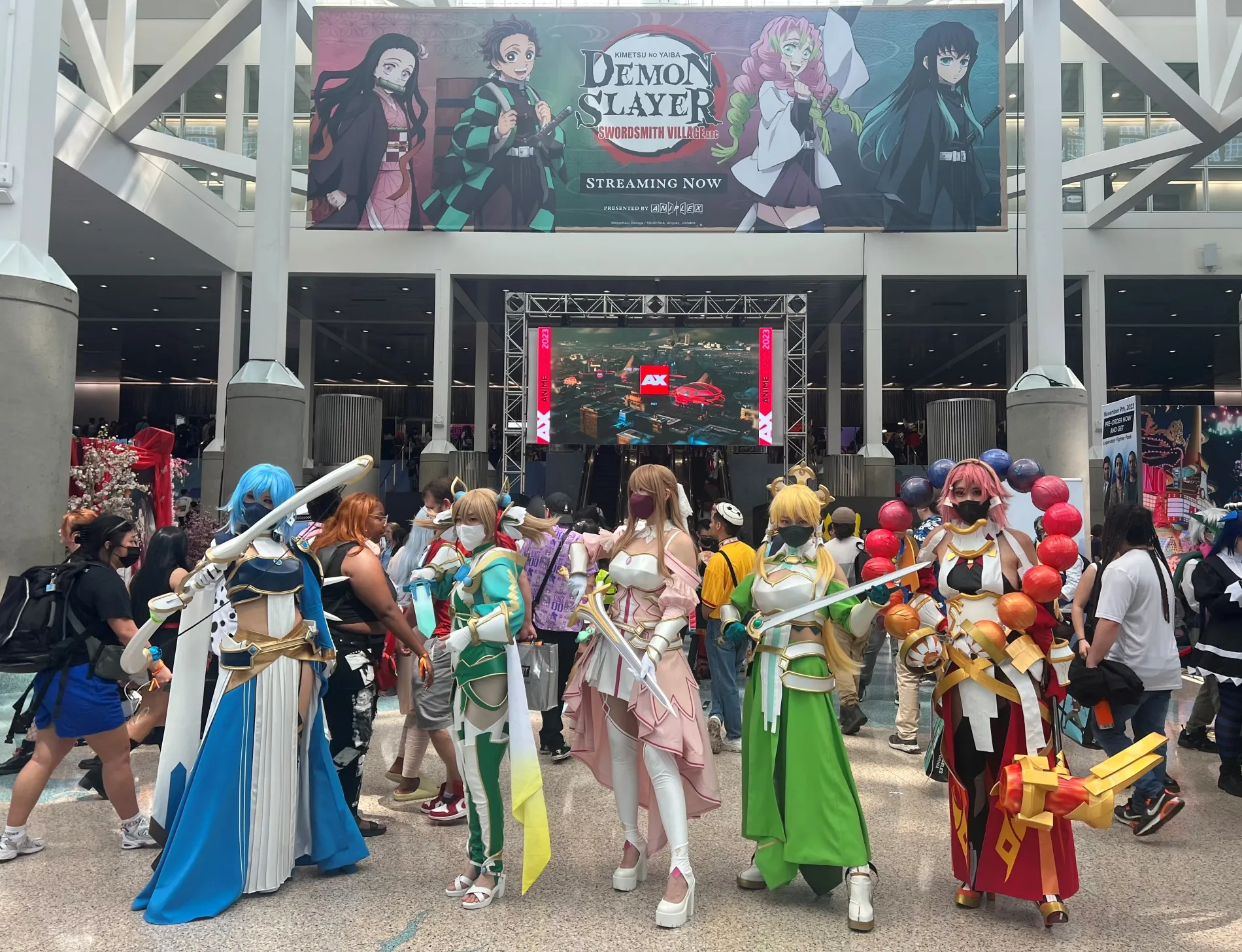
Cosplay is one of the most visible parts of anime culture. Fans dress up as their favorite characters, often recreating outfits with incredible detail. For many, cosplay is a form of artistic expression and self-confidence.
Anime conventions provide a space where cosplay, art, merchandise, and community all come together. These events highlight how anime culture goes beyond screens and into real-world experiences.
Anime Culture Across Generations
Anime culture has evolved with time. Older fans may have discovered anime through television broadcasts or physical media, while newer fans often start with streaming platforms and social media clips.
Despite these differences, the core passion remains the same. Longtime fans bring historical knowledge and appreciation for classic series, while new fans introduce fresh perspectives and energy.
This blend of generations keeps anime culture dynamic and constantly evolving.
How Anime Influences Global Media
Anime culture has influenced movies, games, fashion, and even music worldwide. Many modern creators openly cite anime as inspiration for storytelling, visual design, and character development.
This influence proves that anime is no longer niche. It has become a major force in global pop culture.
Why Anime Culture Continues to Grow
The continued growth of anime culture comes from its ability to adapt while staying authentic. New genres emerge, animation quality improves, and storytelling becomes more diverse.
At the same time, anime remains deeply rooted in emotional storytelling and creative freedom. Fans feel seen, understood, and inspired by characters who struggle, fail, and grow just like real people.
For new fans, anime offers endless entry points. For longtime fans, it offers nostalgia, depth, and constant discovery.
Final Thoughts on Anime Culture
Anime culture is not just about watching shows. It is about connection, creativity, and shared passion. It welcomes newcomers while honoring those who have supported it for decades.
Whether you enjoy action-packed battles, quiet slice-of-life moments, or complex psychological stories, anime culture has a place for you. And as it continues to evolve, one thing remains clear: anime is not just entertainment, it is a global cultural movement that keeps growing stronger with every new generation.
Anime Trends That Are Dominating Global Fans
Anime Trends That Are Dominating Global Fans – Anime is no longer a niche form of entertainment enjoyed only by a small group of dedicated fans. Over the past decade, it has evolved into a global cultural force, influencing fashion, music, gaming, and even mainstream storytelling. From streaming platforms to social media, anime trends are spreading faster than ever, shaping how audiences around the world consume and engage with animated content.
What makes modern anime so powerful is its ability to adapt. The industry continuously reinvents itself while still respecting the elements that made anime popular in the first place. Below, we explore the biggest anime trends currently dominating global fans and why they continue to grow in popularity.
The Rise of Dark and Mature Storytelling
One of the most noticeable anime trends in recent years is the shift toward darker, more mature themes. While anime has always included serious narratives, modern series are pushing emotional depth and moral complexity even further.
Shows focusing on psychological struggles, ethical dilemmas, and the darker sides of human nature are resonating strongly with older audiences. These stories often blur the line between hero and villain, allowing viewers to question motivations rather than accept simple good-versus-evil narratives.
This trend has helped anime attract viewers who previously dismissed animation as being only for children. As a result, anime is now competing directly with live-action dramas and prestige television on a global scale.
Why Global Audiences Love Serious Anime
International fans appreciate storytelling that feels grounded and emotionally authentic. Dark anime narratives often reflect real-world fears, trauma, and societal issues, making them relatable across cultures. This emotional realism is a major reason anime continues to gain respect as a legitimate storytelling medium worldwide.
Isekai Still Dominates, But With New Twists
The isekai genre, where characters are transported to another world, remains one of the most dominant anime trends globally. However, audiences are starting to demand more creativity within this familiar formula.
Instead of simple power fantasies, newer isekai series are experimenting with unique perspectives. Some focus on economic systems, politics, or slow-paced character development rather than constant action. Others parody the genre itself, appealing to long-time anime fans who are aware of its clichés.
This evolution keeps the genre fresh while maintaining its core appeal: escapism. For many global fans, isekai offers a break from reality, combined with imaginative world-building and accessible storytelling.
Anime Streaming Platforms Are Changing Everything
The growth of global streaming platforms has completely transformed how anime is produced and consumed. Fans no longer have to wait years for international releases or rely on unofficial sources.
Streaming services now invest heavily in anime production, funding original series designed for worldwide audiences. This has increased both the quantity and quality of anime content available, while also encouraging more diverse storytelling styles.
Simulcast Culture and Instant Global Hype
One major trend driven by streaming is simulcasting, where episodes are released simultaneously across multiple countries. This creates shared global hype and allows fans from different regions to discuss episodes in real time on social media.
This instant connectivity strengthens fandom communities and makes anime feel like a global event rather than a regional product.
The Influence of Anime on Fashion and Lifestyle
Anime is no longer confined to screens. Its influence can be seen in streetwear, high fashion collaborations, and everyday lifestyle choices. Characters inspire hairstyles, accessories, and even fitness routines.
Cosplay has also become more mainstream, appearing not only at conventions but also in online content and pop culture events. Social media platforms amplify this trend, allowing fans to showcase their creativity and connect with like-minded communities worldwide.
For many fans, anime is not just entertainment. It becomes part of their identity, shaping how they express themselves visually and socially.
Strong Female Characters Taking Center Stage
Another important anime trend is the rise of well-written, powerful female characters. While anime has faced criticism in the past for shallow portrayals, modern series are making noticeable progress.
Female protagonists are now leading action-heavy narratives, displaying emotional depth, intelligence, and moral complexity. These characters are not defined solely by romance or supporting roles, which makes them more appealing to a global audience.
This shift has helped anime reach broader demographics, including viewers who previously felt underrepresented by traditional character archetypes.
Nostalgia and Remakes Fuel Fan Loyalty
Nostalgia plays a huge role in current anime trends. Remakes, reboots, and sequels of classic series are drawing in both long-time fans and new viewers.
For older fans, revisiting familiar worlds with modern animation quality creates a strong emotional connection. For younger audiences, these remakes serve as an entry point into anime history without feeling outdated.
Studios understand the value of nostalgia, using it strategically to maintain loyalty while expanding their global fan base.
Anime Communities Thrive on Social Media
Social media platforms have become essential to anime culture. Fans share theories, fan art, memes, and emotional reactions almost instantly after episodes air.
This constant interaction turns anime into a shared experience rather than a solo activity. Online discussions often influence which shows gain popularity, creating organic hype that studios cannot manufacture on their own.
Short-form video platforms, in particular, have introduced anime to entirely new audiences through clips, edits, and reaction content. This viral exposure plays a major role in driving global interest.
The Future of Anime Looks Truly Global
Anime trends show no signs of slowing down. With international collaborations, diverse storytelling, and expanding distribution channels, anime is evolving into a truly global medium.
Creators are increasingly aware of international audiences, while still maintaining the cultural essence that makes anime unique. This balance between global appeal and creative authenticity is what keeps fans engaged.
As technology improves and storytelling continues to mature, anime will likely remain one of the most influential entertainment industries worldwide.
Final Thoughts
Anime trends dominating global fans today reflect a medium that has grown beyond its origins. Darker narratives, evolving genres, streaming accessibility, and cultural influence all contribute to anime’s massive international success.
Rather than following a single formula, anime thrives because it constantly reinvents itself. This adaptability ensures that anime will continue to attract new fans while keeping longtime viewers deeply invested for years to come.
Hot News!
Nikmati berbagai pilihan pasaran togel terlengkap hanya di togel279 dengan sistem resmi dan dukungan lisensi terpercaya dari otoritas internasional.
Situs slot777 dengan ragam permainan menarik serta winrate tinggi membuat pengalaman bermain semakin menguntungkan.
situs pedetogel terpercaya
Suka toto macau? Ayo pasang taruhan di togel178 login dengan banyak promo menarik.
situs togel 178 resmi terpercaya
Kabar baik untuk rakyat Indonesia, togel 279 hadir dengan pasaran terlengkap dan jaminan pembayaran kemenangan 100% tanpa ribet!