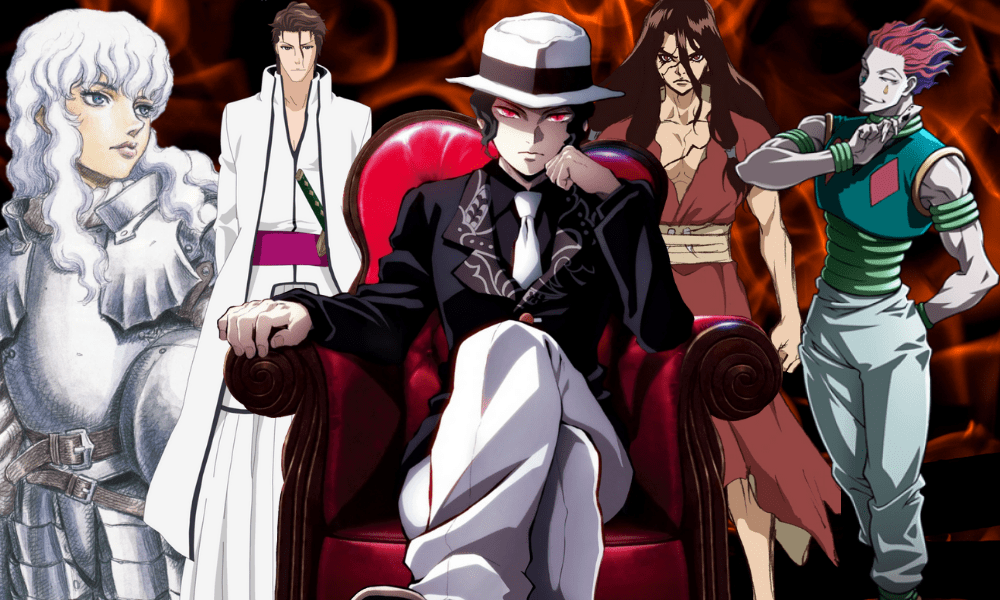
Villains in Anime: More Than Just the Antagonist
Villains in Anime: More Than Just the Antagonist – When people talk about anime, the spotlight usually goes to the heroes. Names like Naruto, Luffy, or Goku dominate conversations. But behind every iconic hero, there is a villain who makes the journey unforgettable. Villains in anime are not just obstacles to defeat. They are complex characters with motivations, trauma, and philosophies that often rival or even surpass the protagonist.
From psychological masterminds to tragic anti-heroes, anime villains bring depth and emotion to the story. In many cases, they are the true driving force behind the narrative. Without them, the story would feel flat and predictable. That’s why exploring villains in anime is more than just discussing the “bad guy.” It’s about understanding the emotional and thematic backbone of the series itself.
Why Anime Villains Feel So Real
One of the biggest reasons anime villains stand out is their layered characterization. Unlike many traditional cartoons where the antagonist is evil for no reason, anime often provides a detailed backstory. These backstories help viewers understand why the villain chose their path.
Take Light Yagami from Death Note. At first, he doesn’t see himself as a villain. He believes he is delivering justice to a corrupt world. His descent from idealistic student to ruthless manipulator is gradual and chilling. What makes him compelling is not just his intelligence, but his conviction. He truly believes he is right.
Another powerful example is Johan Liebert from Monster. Johan is terrifying not because of brute strength, but because of his psychological depth. His calm demeanor hides a traumatic past that shaped his worldview. Viewers are left questioning whether he was born evil or made that way.
These characters blur the line between hero and villain. They force audiences to reflect on morality, justice, and human nature.
The Tragic Villain Archetype
A common and powerful theme in anime is the tragic villain. These are characters who weren’t evil from the start. Circumstances, betrayal, or loss pushed them into darkness.
Itachi Uchiha from Naruto is one of the most famous examples. Initially portrayed as a cold-blooded traitor, his true motives are revealed later in the story. His actions were driven by sacrifice and the desire to prevent a larger war. Once fans learn the full truth, the perception of him completely changes.
Similarly, Meruem from Hunter x Hunter begins as a ruthless king with no regard for human life. However, his interactions with Komugi slowly awaken empathy and self-awareness. By the end of his arc, Meruem becomes one of the most emotionally complex characters in the entire series.
These tragic villains resonate because they mirror real human struggles. They show how pain, fear, and love can shape someone’s destiny. In many cases, fans end up sympathizing with them more than with the hero.
Charisma and Philosophy: The Rise of the Ideological Villain
Modern anime often introduces villains who challenge the world not just physically, but ideologically. They don’t simply want power. They want change.
Pain from Naruto: Shippuden is a perfect example. Pain believes that true peace can only be achieved through shared suffering. His logic is twisted, yet it is built on personal trauma and the endless cycle of war. When he confronts Naruto, the debate feels philosophical rather than purely physical.
Another iconic figure is Lelouch Lamperouge from Code Geass. Lelouch walks the fine line between hero and villain. His quest to overthrow a tyrannical empire involves manipulation, deception, and sacrifice. While he commits morally questionable acts, his ultimate goal is to create a better world for his sister. The complexity of his choices makes him one of the most debated characters in anime history.
Ideological villains are compelling because they reflect real-world conflicts. They raise questions about justice, power, and sacrifice. Viewers are not just watching a fight; they are witnessing a clash of beliefs.
Psychological Depth and Internal Conflict
One reason villains in anime feel so authentic is their internal struggle. Many of them doubt themselves. They question their path. Some even regret their choices.
Consider Shigaraki Tomura from My Hero Academia. Shigaraki’s destructive tendencies stem from childhood trauma and manipulation. His hatred toward heroes is rooted in feelings of abandonment and pain. As the series progresses, we see glimpses of vulnerability beneath his chaotic exterior.
This psychological depth creates emotional tension. Instead of a simple good-versus-evil dynamic, the story becomes a study of broken individuals shaped by society. In many cases, anime suggests that villains are products of systemic failure rather than pure malice.
How Villains Elevate the Hero
A strong villain doesn’t just threaten the world. They push the protagonist to grow. Without a worthy antagonist, a hero’s journey would lack meaning.
For example, the rivalry between Goku and Frieza in Dragon Ball Z defines an entire generation of anime fans. Frieza’s cruelty and overwhelming power force Goku to surpass his limits, leading to one of the most iconic transformations in anime history.
Similarly, in Attack on Titan, the shifting roles between hero and villain blur over time. Characters once seen as enemies reveal complex motivations tied to survival and freedom. This evolution keeps the narrative unpredictable and emotionally intense.
When villains are well-written, they don’t just exist to lose. They shape the hero’s identity. They expose weaknesses, challenge beliefs, and force growth.
The Lasting Impact of Anime Villains
Many anime villains remain memorable long after the series ends. Fans cosplay them, quote their speeches, and analyze their philosophies in online forums. In some cases, they become more popular than the protagonists.
The reason is simple. Great anime villains feel human. They have dreams, fears, and justifications. They may take extreme actions, but those actions often stem from understandable emotions.
This depth is what separates anime storytelling from more simplistic narratives. Instead of presenting evil as a one-dimensional force, anime explores its roots. It asks uncomfortable questions. It invites viewers to empathize, even when they disagree.
Conclusion
Villains in anime are far more than just antagonists. They are catalysts for growth, symbols of ideology, and reflections of human complexity. Whether it’s the calculated brilliance of Light Yagami, the tragic sacrifice of Itachi Uchiha, or the philosophical conviction of Pain, these characters leave a lasting impression.
Anime continues to evolve, and with it, the portrayal of villains becomes richer and more nuanced. As audiences crave deeper storytelling, creators respond with antagonists who challenge not just the hero, but the viewer as well.
In the end, what makes villains in anime truly unforgettable is not their power, but their humanity. They remind us that the line between good and evil is often thinner than we think. And sometimes, the most compelling character in the story isn’t the hero at all.
Hot News!
Nikmati berbagai pilihan pasaran togel terlengkap hanya di togel279 dengan sistem resmi dan dukungan lisensi terpercaya dari otoritas internasional.
Situs slot777 dengan ragam permainan menarik serta winrate tinggi membuat pengalaman bermain semakin menguntungkan.
situs pedetogel terpercaya
Suka toto macau? Ayo pasang taruhan di togel178 login dengan banyak promo menarik.
situs togel 178 resmi terpercaya
Kabar baik untuk rakyat Indonesia, togel 279 hadir dengan pasaran terlengkap dan jaminan pembayaran kemenangan 100% tanpa ribet!