Anime Culture Explained for New and Longtime Fans
Anime Culture Explained for New and Longtime Fans – Anime is more than just animated shows from Japan. For millions of fans around the world, anime is a culture, a lifestyle, and sometimes even a personal identity. From iconic character designs to emotional storytelling and passionate fan communities, anime culture continues to grow across generations and borders.
Whether you are completely new to anime or have been watching it for years, understanding anime culture helps you appreciate why it has become such a powerful global phenomenon.
What Is Anime Culture?
Anime culture refers to the shared traditions, values, aesthetics, and communities that have formed around Japanese animation. While anime itself is the core, the culture extends far beyond watching shows. It includes manga, cosplay, conventions, music, fashion, online discussions, and even everyday language influenced by Japanese terms.
Unlike Western animation, anime often explores complex themes such as identity, morality, trauma, friendship, and ambition. This depth is one reason anime appeals to both younger viewers and adults, creating a diverse and long-lasting fan base.
The Difference Between Anime and Cartoons
One of the first things new fans notice is that anime does not feel like typical cartoons. Anime is not a genre but a medium. It includes action, romance, horror, sci-fi, slice of life, and psychological drama.
Anime culture embraces storytelling that treats viewers as thoughtful participants. Even lighthearted series often carry emotional weight, while darker stories can deliver powerful philosophical messages.
The Roots of Modern Anime Culture
Anime culture did not appear overnight. It developed alongside Japan’s post-war media growth and evolved with technology and global distribution.
Early anime series laid the foundation for storytelling styles, visual tropes, and character archetypes that are still recognizable today. As anime reached international audiences through television, VHS, and later streaming platforms, global fan communities began to form.
Manga and Its Influence
Manga plays a massive role in anime culture. Many anime series are adapted from manga, and fans often engage with both formats. Reading manga is considered just as important as watching anime, especially for long-running stories.
For longtime fans, comparing manga and anime adaptations is a common discussion topic, adding another layer to fan culture.
Popular Themes in Anime Culture
Anime culture is shaped by recurring themes that resonate deeply with fans.
One of the most common themes is personal growth. Characters often start weak or uncertain and gradually develop strength, skills, and confidence. This journey mirrors real-life struggles and motivates viewers.
Friendship and loyalty are also central. Many iconic anime moments focus on bonds between characters, showing how trust and teamwork can overcome impossible challenges.
Another defining element is emotional intensity. Anime is known for dramatic scenes, heartfelt monologues, and powerful soundtracks that amplify emotional impact. This emotional openness is a key reason fans feel deeply connected to anime stories.
Otaku Culture and Fandom Identity
The term “otaku” originally had negative connotations in Japan, referring to people who were overly obsessed with hobbies like anime or games. Over time, especially internationally, the term has been reclaimed by fans as a badge of pride.
Today, otaku culture represents passionate fandom. Collecting figures, attending conventions, discussing theories, and supporting favorite creators are all part of this identity.
Online Communities and Social Media
Modern anime culture thrives online. Forums, social media platforms, and streaming services allow fans to connect instantly across the world. Discussions range from episode reviews and character analysis to memes and fan art.
For both new and longtime fans, these communities provide a sense of belonging and shared excitement, especially during seasonal anime releases.
Cosplay and Creative Expression
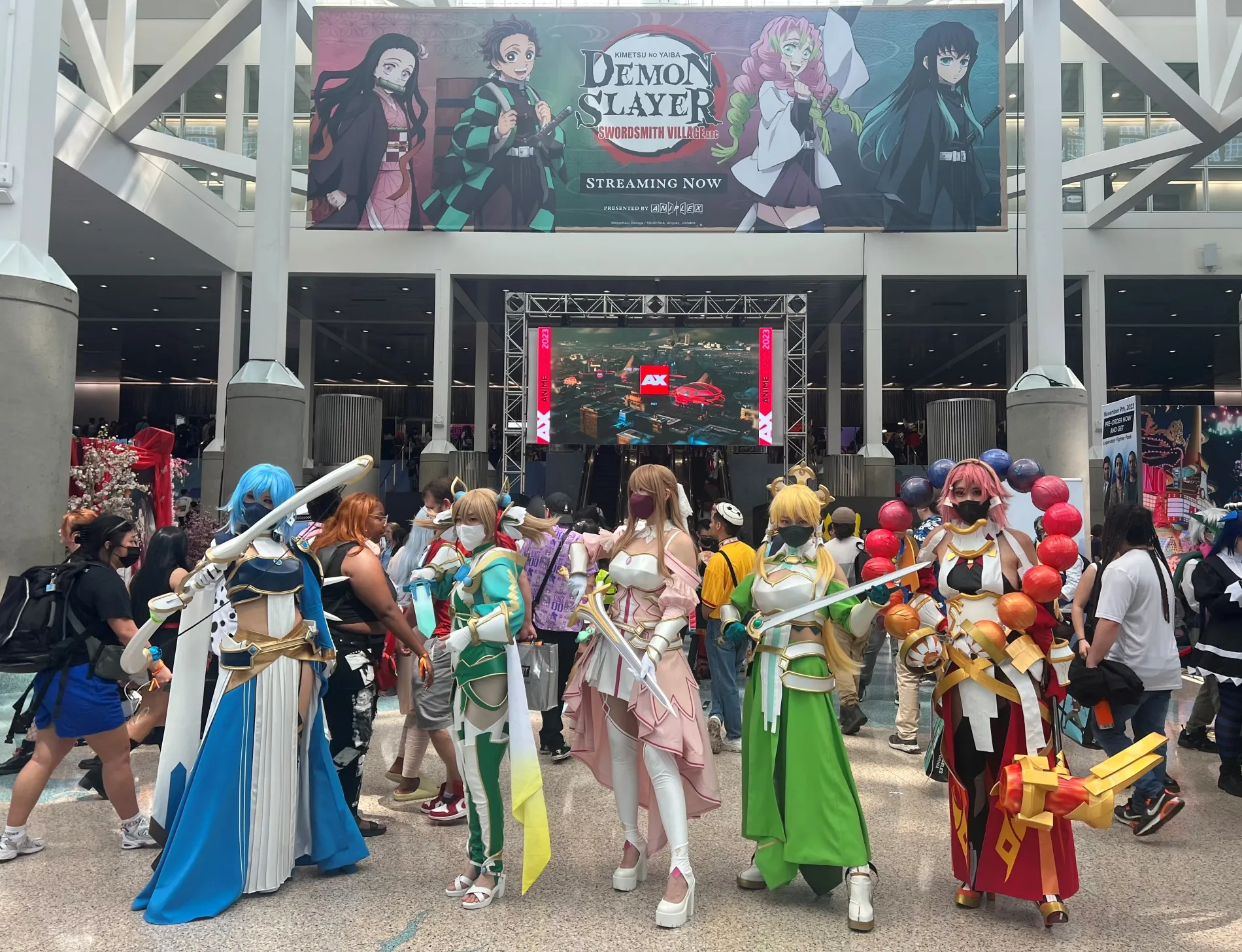
Cosplay is one of the most visible parts of anime culture. Fans dress up as their favorite characters, often recreating outfits with incredible detail. For many, cosplay is a form of artistic expression and self-confidence.
Anime conventions provide a space where cosplay, art, merchandise, and community all come together. These events highlight how anime culture goes beyond screens and into real-world experiences.
Anime Culture Across Generations
Anime culture has evolved with time. Older fans may have discovered anime through television broadcasts or physical media, while newer fans often start with streaming platforms and social media clips.
Despite these differences, the core passion remains the same. Longtime fans bring historical knowledge and appreciation for classic series, while new fans introduce fresh perspectives and energy.
This blend of generations keeps anime culture dynamic and constantly evolving.
How Anime Influences Global Media
Anime culture has influenced movies, games, fashion, and even music worldwide. Many modern creators openly cite anime as inspiration for storytelling, visual design, and character development.
This influence proves that anime is no longer niche. It has become a major force in global pop culture.
Why Anime Culture Continues to Grow
The continued growth of anime culture comes from its ability to adapt while staying authentic. New genres emerge, animation quality improves, and storytelling becomes more diverse.
At the same time, anime remains deeply rooted in emotional storytelling and creative freedom. Fans feel seen, understood, and inspired by characters who struggle, fail, and grow just like real people.
For new fans, anime offers endless entry points. For longtime fans, it offers nostalgia, depth, and constant discovery.
Final Thoughts on Anime Culture
Anime culture is not just about watching shows. It is about connection, creativity, and shared passion. It welcomes newcomers while honoring those who have supported it for decades.
Whether you enjoy action-packed battles, quiet slice-of-life moments, or complex psychological stories, anime culture has a place for you. And as it continues to evolve, one thing remains clear: anime is not just entertainment, it is a global cultural movement that keeps growing stronger with every new generation.