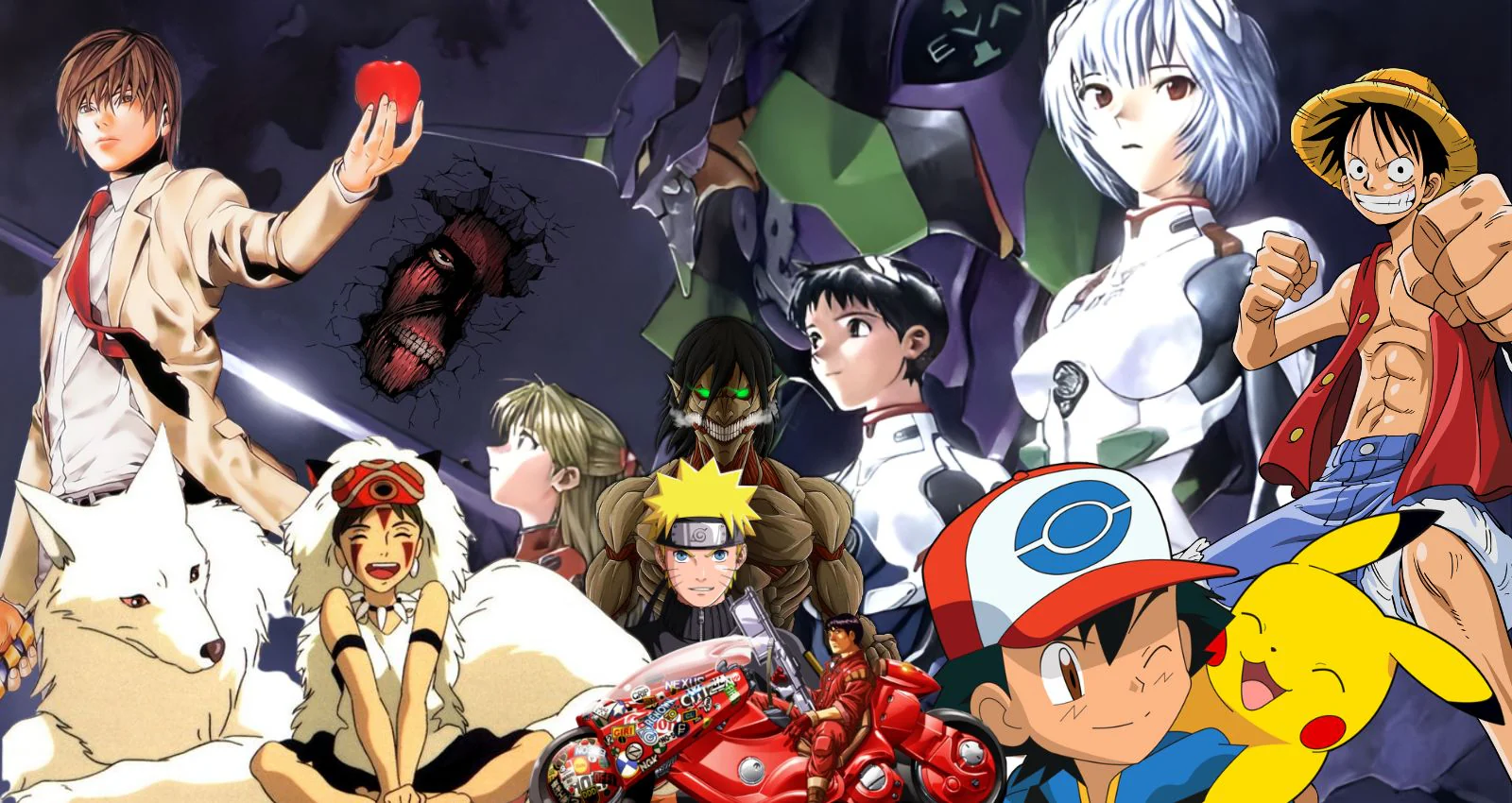
Exploring Modern Anime Stories Trends And Fan Culture – Anime is no longer just a niche form of entertainment from Japan. In today’s digital world, anime has become a global storytelling powerhouse, influencing fashion, music, gaming, and online communities. Modern anime stories reflect changing social values, new creative risks, and a deeply connected fan culture that continues to grow every year.
This article explores how anime storytelling has evolved, the biggest trends shaping modern anime, and how fan culture plays a major role in keeping the industry alive and relevant.
The Evolution of Anime Storytelling
From Simple Plots to Complex Narratives
Early anime often focused on simple themes like friendship, adventure, or clear battles between good and evil. While those elements still exist, modern anime stories have become more layered and emotionally driven. Many series now explore moral ambiguity, trauma, identity, and social pressure.
Shows like Attack on Titan, Tokyo Ghoul, and Chainsaw Man push viewers to question right and wrong instead of offering easy answers. This shift has helped anime attract older audiences who want deeper stories rather than purely action-based entertainment.
Genre Blending Becomes the New Standard
Modern anime rarely sticks to just one genre. Romance blends with fantasy, horror mixes with comedy, and slice-of-life elements appear in action-heavy series. This genre blending keeps stories fresh and unpredictable.
For example, isekai anime used to focus only on fantasy adventure, but now many series add psychological themes, dark humor, or political drama. This evolution keeps long-time fans interested while welcoming new viewers who want something different.
Popular Trends in Modern Anime
Darker Themes and Emotional Realism
One major trend in modern anime is the use of darker themes. Death, mental health, loneliness, and societal pressure are now openly discussed. These topics reflect real-world struggles, making anime feel more relatable.
Rather than glorifying violence, many series show the emotional cost of conflict. Characters suffer consequences, lose loved ones, and carry emotional scars. This realism adds weight to the story and keeps viewers emotionally invested.
Stronger and More Complex Characters
Modern anime characters are no longer one-dimensional heroes or villains. Protagonists can be flawed, insecure, or morally conflicted. Antagonists often have understandable motivations rather than pure evil goals.
Female characters have also gained stronger roles. Many modern anime portray women as leaders, fighters, or emotionally complex individuals instead of background characters. This change reflects a broader demand for balanced representation in storytelling.
Shorter Seasons and High Production Quality
Another noticeable trend is the shift toward shorter anime seasons. Instead of long-running series with filler episodes, many studios focus on 12 to 24 episode seasons with tighter storytelling and higher animation quality.
This approach allows studios to invest more time in visuals, sound design, and pacing. As a result, modern anime often feels more cinematic and polished, especially with the rise of streaming platforms funding original content.
The Influence of Global Audiences
Anime Goes International
Anime is no longer created only for Japanese audiences. Studios now consider global viewers from the beginning. Story themes are more universal, and cultural references are often easier for international fans to understand.
Streaming services like Netflix and Crunchyroll have played a huge role in this shift. Simultaneous global releases allow fans from different countries to experience anime together, creating worldwide discussions and trends.
Fan Feedback Shapes Future Content
Social media gives fans a louder voice than ever before. Viewer reactions, fan art, memes, and online debates influence how studios approach future seasons or adaptations.
When a series becomes popular online, it often leads to spin-offs, movies, or merchandise. In some cases, fan support can even revive canceled projects, showing how powerful modern anime communities have become.
Modern Anime Fan Culture
Online Communities and Digital Fandom
Anime fans today connect mostly through online platforms. Reddit, Discord, Twitter, and TikTok are filled with discussions, theories, and fan-made content. These spaces allow fans to share opinions, argue about story directions, and celebrate their favorite characters.
Fan culture is no longer passive. Viewers actively participate by creating content, analyzing episodes, and building friendships around shared interests. This sense of belonging keeps people engaged with anime beyond just watching episodes.
Cosplay, Events, and Real-World Impact
Anime fan culture also exists offline. Cosplay events, conventions, and fan gatherings continue to grow worldwide. Fans express their love for anime through costumes, art, and performances.
These events help strengthen the bond between fans and creators. Voice actors, animators, and directors often attend conventions, creating a closer relationship between the industry and its audience.
The Role of Technology in Anime’s Growth
Streaming Platforms Change Everything
Streaming has transformed how anime is consumed. Viewers can binge-watch entire seasons, explore older titles, and discover niche genres with ease. Algorithms recommend shows based on viewing habits, helping lesser-known anime find new fans.
This accessibility has lowered the entry barrier for new viewers, making anime more mainstream than ever before.
Social Media Fuels Viral Popularity
Short clips, opening songs, and emotional scenes often go viral on social media. A single trending moment can turn an unknown anime into a global hit overnight.
This fast-paced exposure encourages studios to focus on memorable scenes, strong character moments, and impactful music, knowing that these elements drive online engagement.
The Future of Anime Stories and Fan Culture
Anime storytelling will likely continue evolving alongside its audience. As fans grow older, stories will adapt to reflect more mature themes and diverse perspectives. At the same time, new generations will bring fresh expectations and creative demands.
Fan culture will remain a driving force behind anime’s success. The relationship between creators and fans is more interactive than ever, shaping the direction of future stories.
Conclusion
Modern anime is more than just animated entertainment. It is a reflection of changing storytelling trends, global influence, and passionate fan culture. With deeper narratives, stronger characters, and worldwide communities, anime continues to grow as a powerful cultural force.
As technology connects fans across borders and creators push creative limits, anime’s future looks more exciting than ever. Whether you are a long-time fan or a newcomer, modern anime offers stories that resonate far beyond the screen.