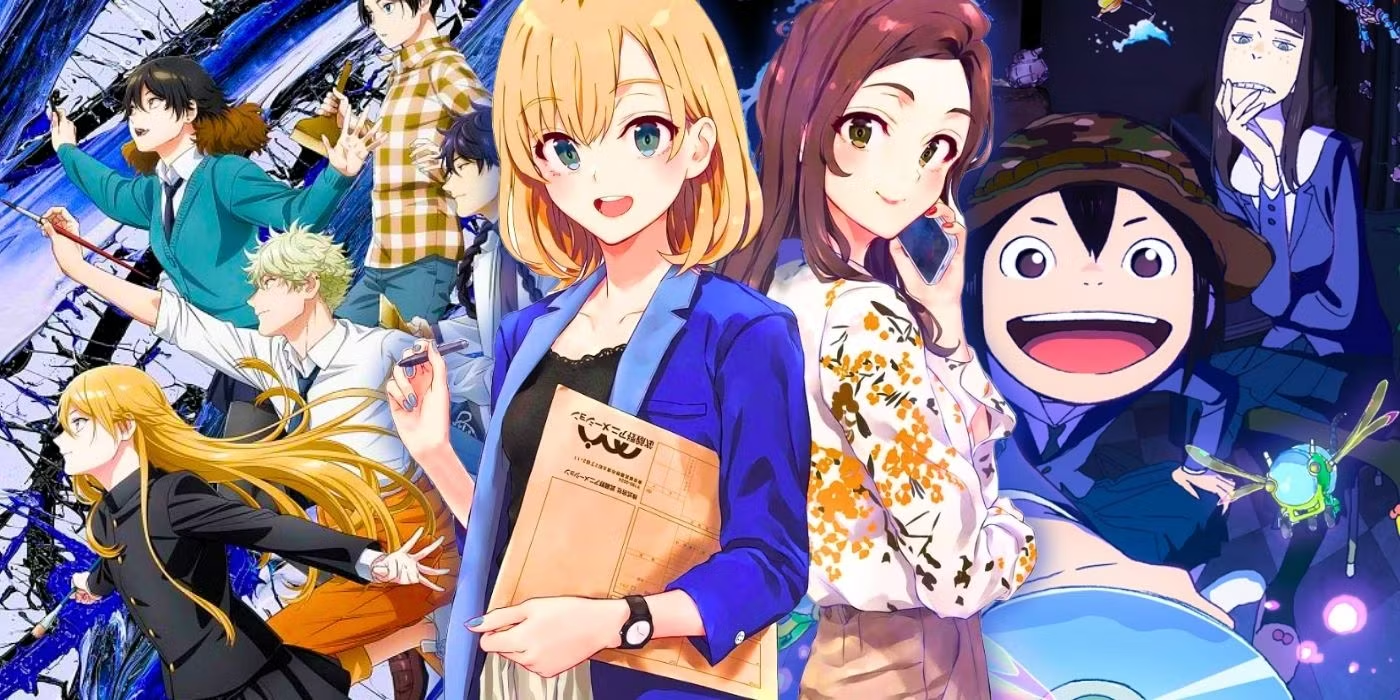
Anime stories and art that young people love – Anime has become more than just entertainment for young people. It is a creative space where stories feel personal, emotions feel real, and art styles feel expressive in ways that live-action media often cannot match. From high school drama to fantasy worlds and futuristic battles, anime speaks the language of youth through imagination and emotion.
For many young audiences, anime is not only something to watch. It is something to connect with, talk about, and even shape their identity around. This strong connection comes from how anime stories and art are designed to feel close to real life while still being visually exciting.
Why Anime Stories Feel So Relatable
Anime stories often focus on personal growth, friendship, failure, and dreams. These themes naturally resonate with young people who are still figuring out who they are and where they belong.
Characters That Feel Human
One reason anime stories work so well is the way characters are written. Main characters are rarely perfect. They struggle, make mistakes, feel insecure, and sometimes fail badly. This makes them feel human rather than heroic stereotypes.
Young viewers see themselves in these characters. Whether it is a shy student trying to fit in, a dreamer chasing an impossible goal, or someone dealing with loss and pressure, anime reflects emotions that many young people experience in real life.
Strong Emotional Storytelling
Anime does not shy away from emotion. Joy, sadness, anger, and hope are all expressed openly. Music, voice acting, and visual pacing work together to create scenes that stay in the mind long after the episode ends.
This emotional honesty is a big reason why anime stories feel memorable. Young audiences are drawn to content that makes them feel something real, not just passive entertainment.
The Power of Anime Art Style
Anime art is one of its strongest attractions. It allows creators to exaggerate expressions, create unique worlds, and explore styles that would be impossible in live-action formats.
Visual Freedom and Creativity
Anime art gives unlimited freedom. Characters can have colorful hair, dramatic eyes, and expressive body language that instantly communicates emotion. Backgrounds can shift from realistic cityscapes to surreal dream worlds in seconds.
For young people who love creativity and visual culture, this kind of artistic freedom is exciting. It feels fresh, expressive, and different from mainstream media.
Influence on Youth Culture
Anime art has influenced fashion, digital art, social media content, and even design trends. Many young creators learn to draw by copying anime styles. Profile pictures, fan art, and edits inspired by anime are common across platforms.
This visual influence helps anime stay relevant. It is not locked inside a screen but spreads into everyday digital culture.
Genres That Young Audiences Love
Anime offers a wide range of genres, making it easy for young people to find stories that match their interests and mood.
Action and Fantasy Adventures
Action and fantasy anime attract viewers who love excitement and escape. These stories offer powerful battles, magical systems, and epic journeys. At the same time, they often include deeper messages about discipline, loyalty, and personal responsibility.
Young viewers enjoy watching characters grow stronger not just physically but mentally. Training arcs and long-term character development make success feel earned.
Slice of Life and Romance
Slice of life and romance anime focus on everyday moments. School life, friendships, awkward conversations, and quiet personal struggles are shown in a gentle and realistic way.
These stories feel calming and relatable. They remind young people that small moments matter and that personal connections are just as important as big achievements.
Anime as a Safe Space for Expression
Anime often explores topics that young people find hard to talk about openly. Identity, loneliness, mental health, and social pressure are common themes.
Through fictional stories, viewers can process emotions without feeling judged. Anime creates a safe space where complex feelings are acknowledged and understood.
This is one reason why anime fandoms feel so strong. Fans connect not only over characters but also over shared emotional experiences.
The Role of Community and Fandom
Anime is rarely enjoyed alone. Online discussions, fan art, memes, and conventions all help build a sense of belonging.
Young people enjoy being part of a community that shares the same interests. Talking about favorite episodes, theories, and characters helps them express opinions and creativity.
This social aspect turns anime into a lifestyle rather than just a hobby.
Why Anime Keeps Growing Among Young People
Anime continues to grow because it evolves with its audience. New stories reflect modern issues while still respecting classic storytelling styles.
Streaming platforms make anime easier to access than ever. Subtitles and dubbing allow global audiences to enjoy content without barriers. Social media helps new series gain popularity quickly through clips and recommendations.
Anime also respects its audience. It does not talk down to viewers or simplify emotions. This mutual respect builds long-term loyalty.
Anime Stories That Stay With You
The best anime stories do not end when the screen fades to black. They stay in memory through quotes, scenes, and lessons learned.
Young people remember how certain anime made them feel during important stages of life. This emotional attachment is powerful and long-lasting.
Anime becomes part of personal history. It marks moments of growth, comfort, and inspiration.
Final Thoughts on Anime Stories and Art
Anime stories and art continue to attract young people because they feel honest, creative, and emotionally rich. They combine visual beauty with meaningful storytelling in a way that feels personal.
For young audiences, anime is more than entertainment. It is a mirror of emotions, a source of inspiration, and a creative world where they feel understood.
As long as anime continues to tell real stories through imaginative art, its connection with young people will only grow stronger.