The Power of Friendship in Shonen Anime
The Growth of Female Protagonists in Anime
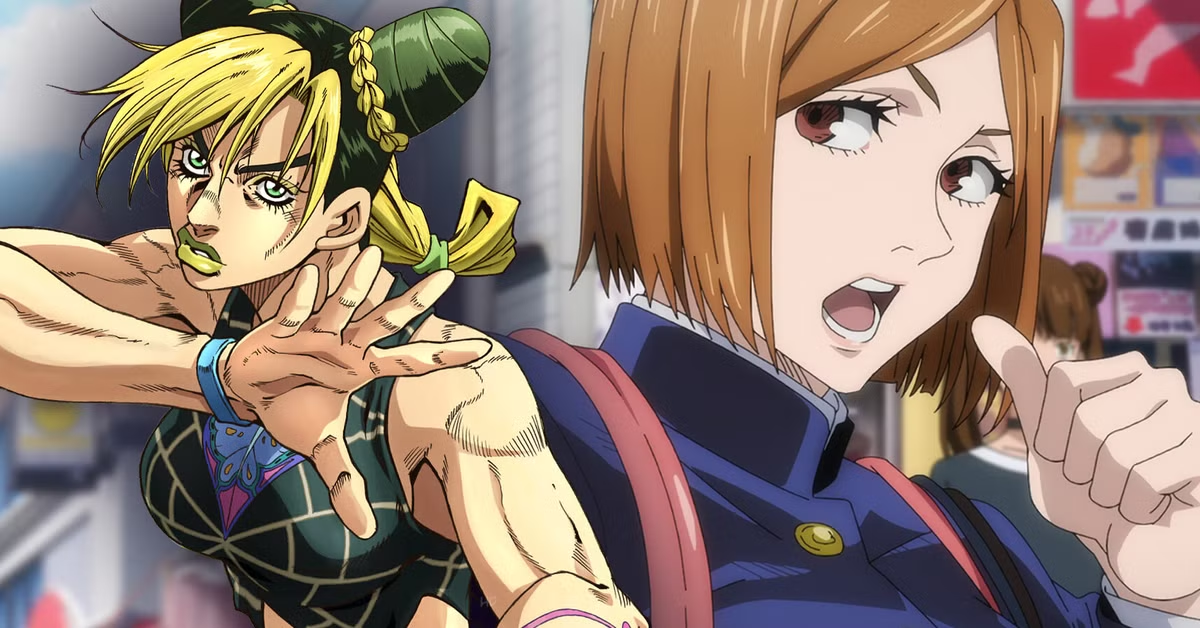
The Growth of Female Protagonists in Anime – Over the past few decades, anime has evolved dramatically, not just in animation style and storytelling, but also in the characters it chooses to highlight. One of the most noticeable shifts has been the growth of female protagonists taking center stage. Historically, anime often focused on male heroes, with women playing supporting or secondary roles. Today, however, audiences are seeing more dynamic, complex, and inspiring female leads who shape their own stories and redefine what it means to be a hero in the anime world.
Changing Perspectives in Anime Storytelling
Anime has always been a reflection of society, its values, and its interests. In the early years, especially in the 1980s and 1990s, female characters often fell into archetypical roles such as the love interest, the sidekick, or the “magical girl” whose powers were secondary to her relationships. Series like Sailor Moon started to challenge these ideas by presenting girls with agency, unique powers, and the ability to lead a story.
As audiences matured, so did the stories. Modern anime increasingly emphasizes female perspectives and the personal journeys of women navigating their worlds. This shift aligns with global trends advocating for gender equality and representation, making female protagonists not just more common, but essential to compelling narratives.
Iconic Female Leads Who Changed the Game
Certain anime series have been instrumental in highlighting strong female characters. Ghost in the Shell introduced Major Motoko Kusanagi, a highly skilled, intellectually complex protagonist who navigates philosophical and societal challenges. In Fullmetal Alchemist: Brotherhood, while Edward Elric is the main lead, characters like Winry Rockbell demonstrate strength, intelligence, and independence, influencing viewers in subtle but meaningful ways.
More recently, shows like Attack on Titan have given fans characters such as Mikasa Ackerman, whose combat skills, emotional depth, and loyalty resonate with audiences worldwide. These protagonists are not perfect—they face struggles, moral dilemmas, and vulnerabilities—but it’s precisely these qualities that make them relatable and inspiring.
Expanding Genres and Storylines
One reason female protagonists are flourishing is the expansion of anime genres that cater to diverse stories. While action and adventure genres were traditionally male-dominated, newer series combine elements of fantasy, psychological thriller, romance, and slice-of-life to feature women as the central characters. Titles like Fruits Basket, Vivy: Fluorite Eye’s Song, and Made in Abyss showcase women in varied roles, from empathetic heroes to complex antiheroes.
This variety not only broadens the appeal of anime but also encourages studios to experiment with character development. Female protagonists today are multi-dimensional, possessing intelligence, emotional depth, and leadership qualities that challenge previous stereotypes.
The Role of Audience and Fandom
Audience demand plays a significant role in shaping anime content. As fans increasingly call for representation and richer stories, creators respond by crafting female protagonists with more prominence and agency. Online communities, social media platforms, and fan art also amplify these characters, creating cultural icons that influence both Japanese and global audiences.
Moreover, the rise of international streaming services has expanded anime’s reach beyond Japan, introducing diverse viewers who value well-written female characters. Platforms like Crunchyroll, Netflix, and Funimation have made it easier to access series with strong women leads, increasing visibility and appreciation for these characters.
Breaking Stereotypes and Challenging Norms
One of the most powerful aspects of female-led anime is its ability to break stereotypes. In older series, female characters were often defined by appearance, romantic interest, or emotional vulnerability. Today, women in anime can be warriors, detectives, engineers, or leaders in dystopian worlds. They can struggle, fail, and grow, without their worth being tied solely to male characters or relationships.
Shows like Puella Magi Madoka Magica and The Rising of the Shield Hero explore moral complexity and personal growth, placing female characters in positions where their decisions drive the plot. This evolution challenges both creators and viewers to rethink traditional gender roles, making anime a platform for broader social commentary.
Influence Beyond Anime
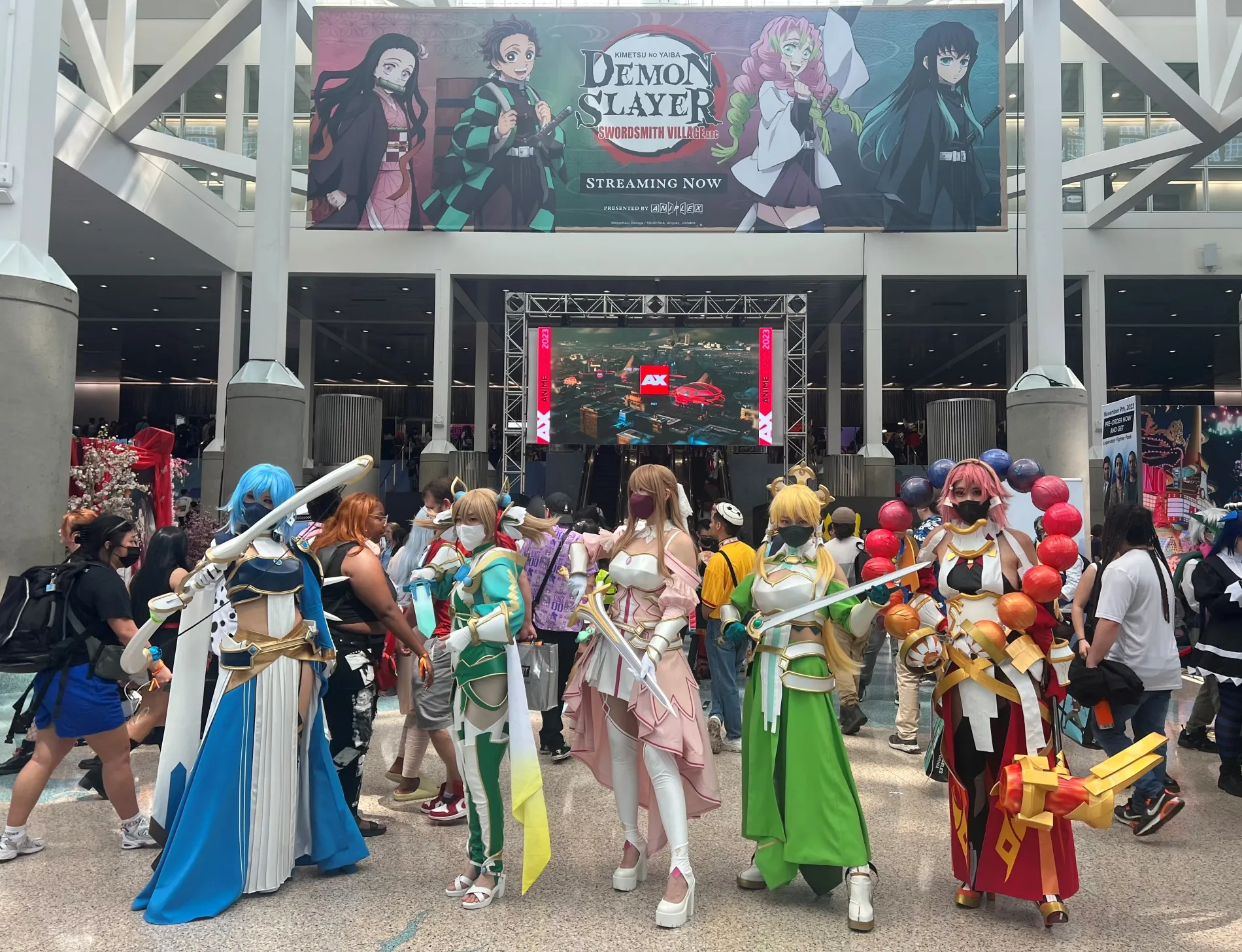
The impact of strong female protagonists goes beyond entertainment. These characters inspire fans to think critically about gender, representation, and empowerment. Cosplay communities celebrate their favorite heroines, fan fiction expands their stories, and discussions around female-led anime often intersect with wider conversations about equality in media. The influence is global, reinforcing the idea that representation matters not just on screen, but in shaping cultural norms.
The Future of Female Protagonists in Anime
Looking ahead, the presence of female leads in anime is expected to grow. Studios are increasingly aware that audiences crave complex characters and inclusive storytelling. With more writers, directors, and creators advocating for gender diversity in their work, the next generation of anime may feature even more nuanced portrayals of women in all facets of life—from everyday challenges to epic adventures.
As anime continues to evolve, female protagonists are no longer the exception—they are central to innovation, creativity, and the cultural resonance of the medium. The stories they lead are rich, varied, and inspiring, offering a glimpse into a future where anime reflects the full spectrum of human experience, regardless of gender.
Conclusion
The growth of female protagonists in anime marks a significant cultural shift. From early archetypes to modern multi-dimensional heroines, these characters have transformed storytelling and audience expectations. They embody strength, intelligence, and emotional depth, proving that anime thrives when it embraces diversity and representation. As the medium continues to grow, female protagonists are not just shaping their own stories—they are shaping the future of anime itself.
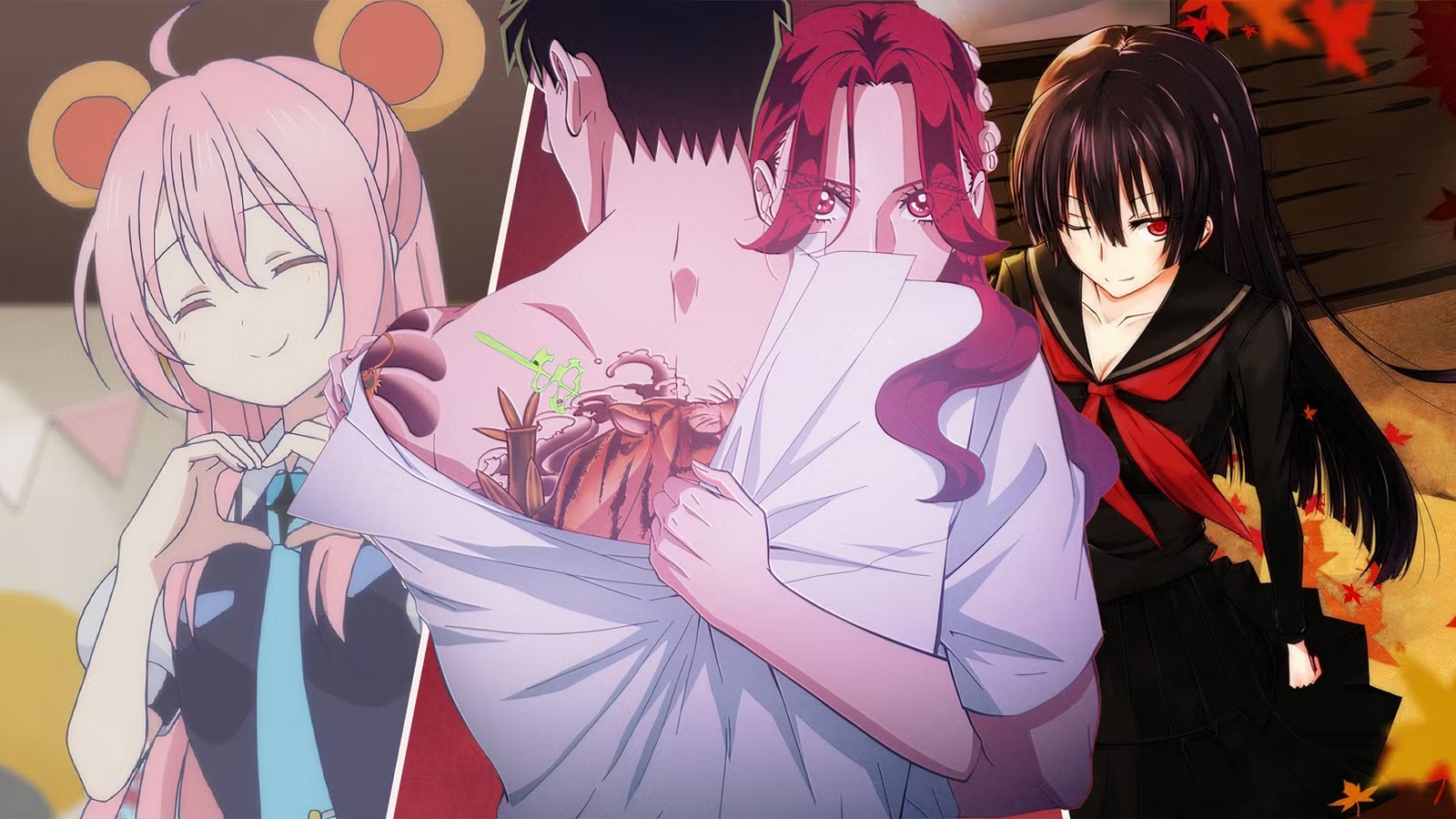
Dark Themes and Psychological Depth in Anime
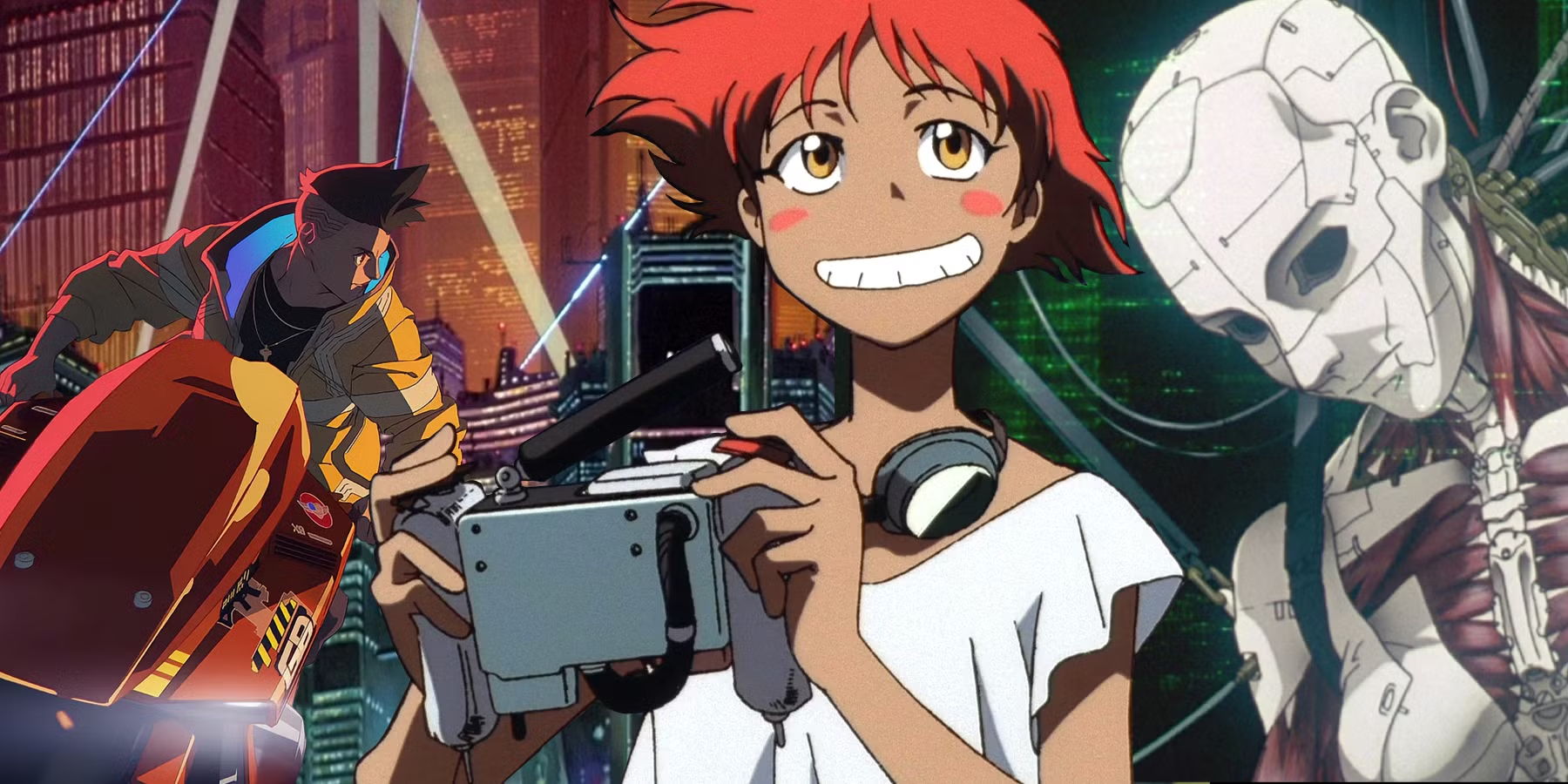
Cyberpunk Worlds in Anime Storytelling
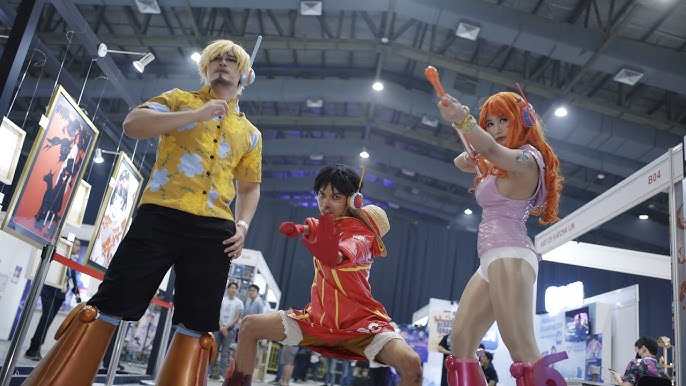
Anime Culture and Otaku Communities in Indonesia
Anime Culture and Otaku Communities in Indonesia – Anime culture in Indonesia has grown rapidly over the past two decades. What was once considered a niche hobby is now a mainstream lifestyle embraced by millions of young people across the country. From Jakarta to Surabaya, from Bandung to Makassar, anime fans gather both online and offline to celebrate their favorite series, characters, and creators. The rise of streaming platforms, social media, and local pop culture events has helped anime culture in Indonesia become stronger and more visible than ever.
For many Indonesians, anime is more than just entertainment. It represents creativity, identity, and a sense of belonging. Otaku communities in Indonesia continue to expand, bringing together fans who share similar interests in Japanese animation, manga, cosplay, and gaming. This cultural wave has also created new business opportunities, including merchandise stores, cosplay services, art commissions, and anime-themed cafés.
The Rise of Anime Popularity in Indonesia
Anime first gained attention in Indonesia through television broadcasts in the 1990s and early 2000s. Popular titles such as Naruto, One Piece, and Dragon Ball became household names among children and teenagers. As internet access improved, fans started exploring more genres and discovering new series online.
Streaming services made it easier for Indonesian viewers to watch anime legally and in high quality. Subtitles in Bahasa Indonesia helped widen the audience, including viewers who were not fluent in English or Japanese. Today, anime is accessible to people of all ages, and it continues to influence fashion, language, and even lifestyle trends in Indonesia.
Social media platforms like Instagram, TikTok, and YouTube also play a major role in spreading anime culture. Indonesian content creators often share anime reviews, cosplay transformations, unboxing videos, and fan theories. This online engagement strengthens the sense of community among local fans and keeps the anime trend alive.
Otaku Communities in Major Indonesian Cities
Otaku communities in Indonesia are highly active, especially in big cities. Jakarta, Bandung, and Surabaya are known for hosting anime conventions and cosplay events that attract thousands of participants every year. These gatherings allow fans to meet in person, exchange merchandise, and celebrate their favorite anime series together.
Cosplay and Creative Expression
Cosplay is one of the most visible aspects of anime culture in Indonesia. Many fans dedicate time and effort to designing costumes inspired by popular characters. Local cosplay competitions showcase impressive craftsmanship and creativity. Some Indonesian cosplayers have even gained international recognition for their detailed costumes and stage performances.
Cosplay is not only about dressing up. It is also about expressing admiration for a character and bringing that character to life. In Indonesia, cosplay events often include photography sessions, mini performances, and fan meetups. These activities strengthen friendships within the otaku community and create lasting memories.
Anime Events and Community Gatherings
Anime conventions in Indonesia have become larger and more professional over time. Events often feature guest stars, voice actors, local artists, and merchandise booths. Fans can buy official anime products, posters, figures, and clothing. The growing demand for anime merchandise in Indonesia shows how strong the market has become.
Community gatherings are not limited to large-scale conventions. Smaller meetups are frequently organized in cafés, campuses, and community centers. These meetups allow fans to discuss new anime releases, share fan art, and plan collaborative projects. The welcoming atmosphere makes it easy for newcomers to join and feel included.
The Influence of Japanese Pop Culture in Indonesia
Japanese pop culture has had a significant impact on Indonesian youth. Anime, manga, J-pop music, and Japanese fashion trends have blended into local culture in unique ways. Many Indonesian fans learn basic Japanese phrases from watching anime, and some even pursue formal Japanese language studies.
The influence of anime culture in Indonesia can also be seen in creative industries. Local illustrators and comic artists often adopt anime-inspired art styles. Independent creators publish webcomics and digital art influenced by Japanese animation aesthetics. This creative exchange benefits both fans and local businesses.
Anime-themed cafés and merchandise stores are becoming more common in urban areas. These businesses cater specifically to otaku communities in Indonesia, offering themed decorations and exclusive products. The steady growth of these establishments shows that anime culture is not just a temporary trend but a long-term movement.
Online Communities and Digital Growth
The internet has played a crucial role in shaping anime culture in Indonesia. Online forums, Facebook groups, and Discord servers connect fans from different regions. Even those living outside major cities can participate in discussions and events virtually.
Digital platforms also provide opportunities for Indonesian fans to create and share content. Fan art, fan fiction, and anime review blogs are widely popular. Some bloggers and website owners build niche sites focused on anime culture in Indonesia, providing news, event coverage, and recommendations. This digital ecosystem supports the continuous growth of the otaku community.
E-commerce platforms further strengthen the anime market. Indonesian fans can easily purchase figures, manga, and cosplay materials online. The convenience of online shopping makes it easier for fans to support their favorite series and expand their collections.
Challenges and Future of Anime Culture in Indonesia
Despite its rapid growth, anime culture in Indonesia still faces certain challenges. Some people still view otaku culture as childish or overly obsessive. However, this perception is slowly changing as more adults openly express their love for anime and Japanese pop culture.
Another challenge is the availability of official merchandise at affordable prices. Imported products can be expensive due to shipping costs and taxes. This encourages some fans to look for alternative options. Supporting official distributors in Indonesia remains important to ensure the sustainability of the anime industry.
Looking ahead, the future of otaku communities in Indonesia appears bright. New generations continue to discover anime through streaming services and social media. Local event organizers are becoming more professional, attracting international guests and sponsors. The collaboration between Indonesian creators and Japanese pop culture trends may also lead to new creative projects in animation and comics.
Anime culture in Indonesia is no longer just a hobby for a small group of fans. It has become a dynamic cultural movement that influences entertainment, business, and social interactions. Otaku communities in Indonesia provide a safe and exciting space for fans to express themselves and connect with others who share the same passion.
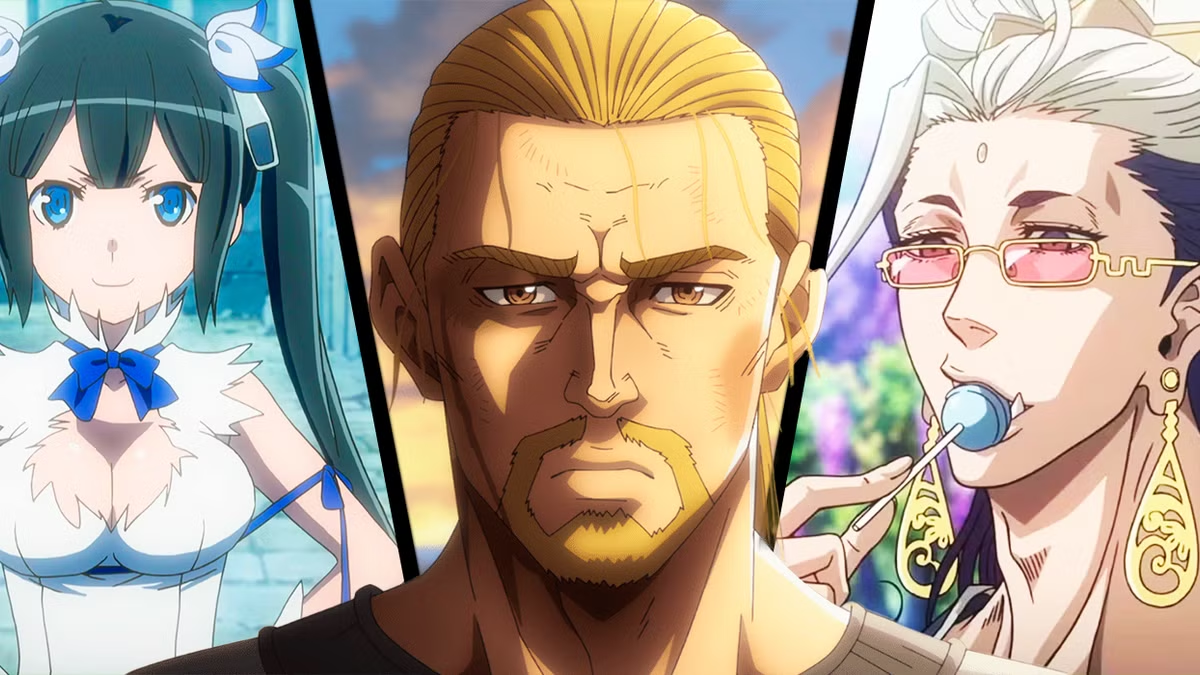
Anime Tales Inspired by Ancient Kingdom Legends
Anime stories and art that young people love
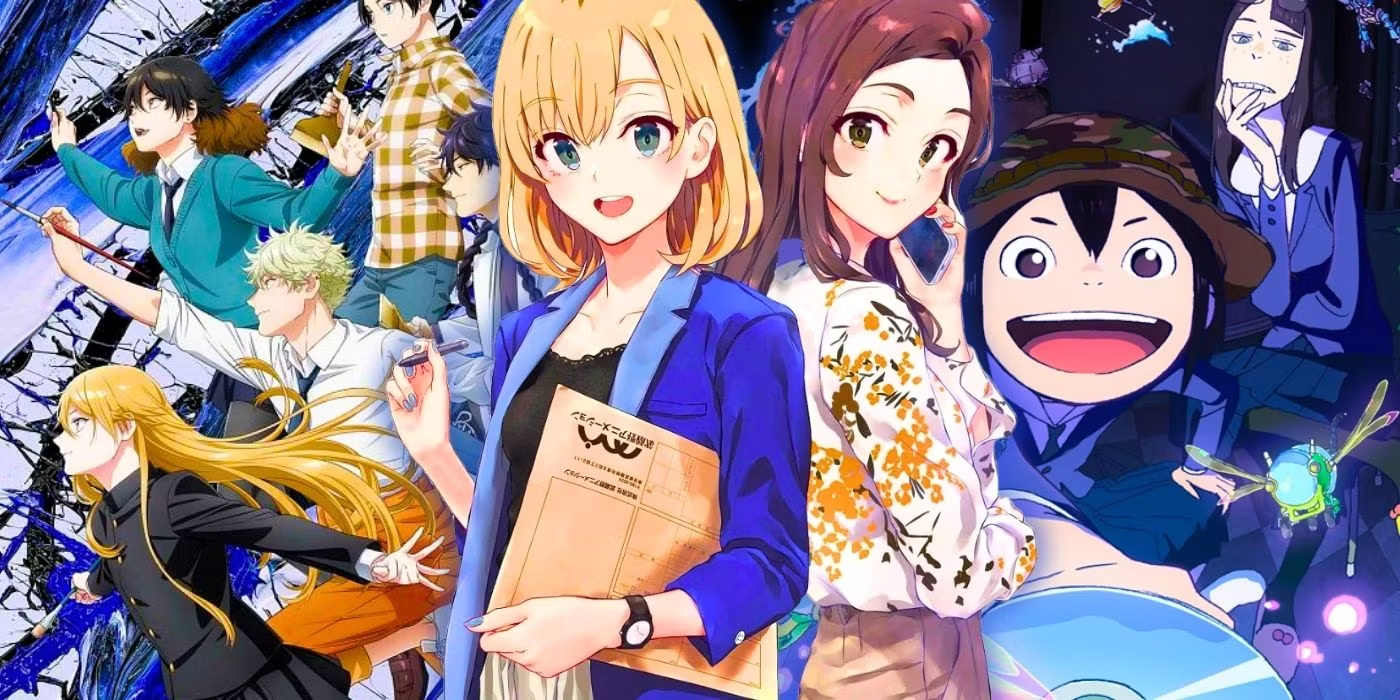
Anime stories and art that young people love – Anime has become more than just entertainment for young people. It is a creative space where stories feel personal, emotions feel real, and art styles feel expressive in ways that live-action media often cannot match. From high school drama to fantasy worlds and futuristic battles, anime speaks the language of youth through imagination and emotion.
For many young audiences, anime is not only something to watch. It is something to connect with, talk about, and even shape their identity around. This strong connection comes from how anime stories and art are designed to feel close to real life while still being visually exciting.
Why Anime Stories Feel So Relatable
Anime stories often focus on personal growth, friendship, failure, and dreams. These themes naturally resonate with young people who are still figuring out who they are and where they belong.
Characters That Feel Human
One reason anime stories work so well is the way characters are written. Main characters are rarely perfect. They struggle, make mistakes, feel insecure, and sometimes fail badly. This makes them feel human rather than heroic stereotypes.
Young viewers see themselves in these characters. Whether it is a shy student trying to fit in, a dreamer chasing an impossible goal, or someone dealing with loss and pressure, anime reflects emotions that many young people experience in real life.
Strong Emotional Storytelling
Anime does not shy away from emotion. Joy, sadness, anger, and hope are all expressed openly. Music, voice acting, and visual pacing work together to create scenes that stay in the mind long after the episode ends.
This emotional honesty is a big reason why anime stories feel memorable. Young audiences are drawn to content that makes them feel something real, not just passive entertainment.
The Power of Anime Art Style
Anime art is one of its strongest attractions. It allows creators to exaggerate expressions, create unique worlds, and explore styles that would be impossible in live-action formats.
Visual Freedom and Creativity
Anime art gives unlimited freedom. Characters can have colorful hair, dramatic eyes, and expressive body language that instantly communicates emotion. Backgrounds can shift from realistic cityscapes to surreal dream worlds in seconds.
For young people who love creativity and visual culture, this kind of artistic freedom is exciting. It feels fresh, expressive, and different from mainstream media.
Influence on Youth Culture
Anime art has influenced fashion, digital art, social media content, and even design trends. Many young creators learn to draw by copying anime styles. Profile pictures, fan art, and edits inspired by anime are common across platforms.
This visual influence helps anime stay relevant. It is not locked inside a screen but spreads into everyday digital culture.
Genres That Young Audiences Love
Anime offers a wide range of genres, making it easy for young people to find stories that match their interests and mood.
Action and Fantasy Adventures
Action and fantasy anime attract viewers who love excitement and escape. These stories offer powerful battles, magical systems, and epic journeys. At the same time, they often include deeper messages about discipline, loyalty, and personal responsibility.
Young viewers enjoy watching characters grow stronger not just physically but mentally. Training arcs and long-term character development make success feel earned.
Slice of Life and Romance
Slice of life and romance anime focus on everyday moments. School life, friendships, awkward conversations, and quiet personal struggles are shown in a gentle and realistic way.
These stories feel calming and relatable. They remind young people that small moments matter and that personal connections are just as important as big achievements.
Anime as a Safe Space for Expression
Anime often explores topics that young people find hard to talk about openly. Identity, loneliness, mental health, and social pressure are common themes.
Through fictional stories, viewers can process emotions without feeling judged. Anime creates a safe space where complex feelings are acknowledged and understood.
This is one reason why anime fandoms feel so strong. Fans connect not only over characters but also over shared emotional experiences.
The Role of Community and Fandom
Anime is rarely enjoyed alone. Online discussions, fan art, memes, and conventions all help build a sense of belonging.
Young people enjoy being part of a community that shares the same interests. Talking about favorite episodes, theories, and characters helps them express opinions and creativity.
This social aspect turns anime into a lifestyle rather than just a hobby.
Why Anime Keeps Growing Among Young People
Anime continues to grow because it evolves with its audience. New stories reflect modern issues while still respecting classic storytelling styles.
Streaming platforms make anime easier to access than ever. Subtitles and dubbing allow global audiences to enjoy content without barriers. Social media helps new series gain popularity quickly through clips and recommendations.
Anime also respects its audience. It does not talk down to viewers or simplify emotions. This mutual respect builds long-term loyalty.
Anime Stories That Stay With You
The best anime stories do not end when the screen fades to black. They stay in memory through quotes, scenes, and lessons learned.
Young people remember how certain anime made them feel during important stages of life. This emotional attachment is powerful and long-lasting.
Anime becomes part of personal history. It marks moments of growth, comfort, and inspiration.
Final Thoughts on Anime Stories and Art
Anime stories and art continue to attract young people because they feel honest, creative, and emotionally rich. They combine visual beauty with meaningful storytelling in a way that feels personal.
For young audiences, anime is more than entertainment. It is a mirror of emotions, a source of inspiration, and a creative world where they feel understood.
As long as anime continues to tell real stories through imaginative art, its connection with young people will only grow stronger.
Anime Recommendations by Genre
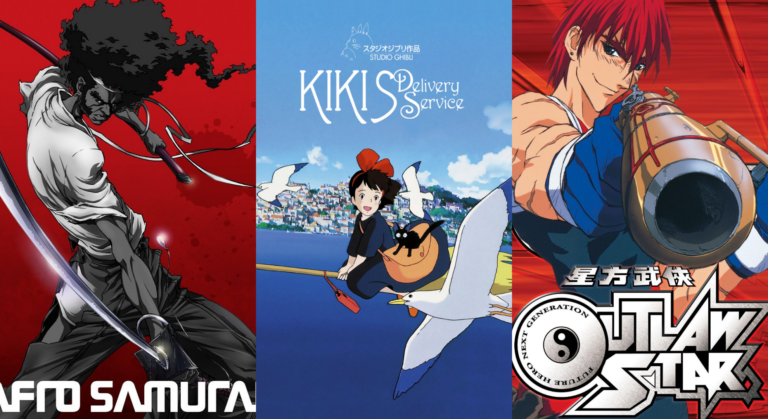
Anime Recommendations by Genre – Anime has grown far beyond its origins in Japan and has become a global form of entertainment. With thousands of titles available, choosing the right anime can feel overwhelming, especially for newcomers. That’s where genre-based recommendations come in. By understanding different anime genres, you can easily find shows that match your mood, interests, and viewing style.
This guide explores anime recommendations by genre, helping you discover standout titles without confusion. Whether you enjoy action-packed adventures, emotional storytelling, or lighthearted comedy, there is an anime genre made just for you.
Action Anime That Keeps You Hooked
Action anime is one of the most popular genres, known for intense battles, fast-paced storytelling, and powerful characters. These anime often focus on physical combat, supernatural abilities, or high-stakes conflicts.
If you enjoy adrenaline-filled scenes and epic rivalries, action anime is a great place to start. Series like Attack on Titan combine brutal action with deep world-building and moral tension. Demon Slayer stands out for its stunning animation and emotionally driven battles, making it appealing even to casual viewers.
Why Action Anime Appeals to a Wide Audience
Action anime often blends well with other genres such as fantasy, drama, or sci-fi. This combination creates stories that are not just visually exciting but also emotionally engaging. Many viewers stay invested because of character growth, not just the fights.
Romance Anime for Emotional Storytelling
Romance anime focuses on relationships, emotions, and personal growth. These stories can be heartwarming, bittersweet, or deeply dramatic, often reflecting real-life experiences in a stylized way.
Popular romance anime like Your Lie in April explore love alongside themes of loss and self-discovery. Meanwhile, Toradora! offers a mix of romance and comedy, making it relatable and easy to watch. Romance anime is ideal for viewers who appreciate character-driven narratives rather than constant action.
Romance Anime Isn’t Just for One Audience
Many romance anime go beyond simple love stories. They explore friendship, personal insecurities, and emotional maturity, making them appealing to a broader audience than people often expect.
Fantasy Anime and Immersive Worlds
Fantasy anime transports viewers into magical worlds filled with mythical creatures, unique power systems, and imaginative settings. This genre is perfect for those who enjoy escapism and detailed lore.
Anime such as Fullmetal Alchemist: Brotherhood offers a rich fantasy world grounded in strong moral themes and unforgettable characters. Made in Abyss presents a beautiful yet dark fantasy experience that slowly reveals its emotional depth.
Fantasy Anime and World-Building
One of the strongest aspects of fantasy anime is world-building. These series often take time to establish rules, history, and cultures, making the experience immersive and memorable.
Slice of Life Anime for Relaxed Viewing
Slice of life anime focuses on everyday experiences, simple moments, and realistic character interactions. These shows don’t rely on dramatic plot twists but instead highlight the beauty of ordinary life.
Titles like Barakamon and March Comes in Like a Lion showcase personal growth through quiet storytelling. Slice of life anime is ideal for viewers who want something calming and meaningful without intense conflict.
The Comfort Factor of Slice of Life Anime
Many fans return to slice of life anime because of the comfort they provide. These shows often feel personal, making viewers emotionally connected to the characters and their routines.
Horror and Psychological Anime for Dark Themes
Horror and psychological anime explore fear, suspense, and the darker side of human nature. These genres often challenge viewers with unsettling visuals and complex narratives.
Death Note is a well-known psychological anime that focuses on morality and power rather than traditional horror elements. For something more intense, Another delivers a chilling atmosphere filled with mystery and dread.
Psychological Anime and Story Depth
Psychological anime tends to leave a lasting impression. Instead of relying solely on jump scares, these shows focus on tension, ethical dilemmas, and mental conflict.
Comedy Anime for Light Entertainment
Comedy anime is perfect when you want something fun and easy to watch. These series often exaggerate everyday situations, personalities, or cultural references for humor.
Anime like Gintama blends comedy with action and parody, while Konosuba pokes fun at traditional fantasy tropes. Comedy anime works well for viewers who enjoy laughter without heavy emotional investment.
Comedy Anime and Rewatch Value
Many comedy anime have high rewatch value. Because the focus is on humor rather than plot, viewers can enjoy episodes repeatedly without losing interest.
Why Genre-Based Anime Recommendations Matter
Understanding anime genres helps viewers avoid frustration and find series they genuinely enjoy. Anime recommendations by genre make it easier to explore new titles without randomly choosing something that doesn’t fit your taste.
Genres also overlap frequently, so trying one category can naturally lead you to another. An action fan might discover romance elements, while a fantasy viewer may grow to enjoy psychological storytelling.
Final Thoughts on Anime Recommendations by Genre
Anime offers something for everyone, regardless of age or preference. By exploring anime recommendations by genre, you can build a watchlist that feels personal and satisfying. Instead of following trends blindly, focusing on genre allows you to enjoy anime in a way that suits your interests.
Whether you’re new to anime or a long-time fan, revisiting genres can help you discover hidden gems and appreciate the diversity of anime storytelling. With the right genre, anime becomes more than entertainment it becomes an experience.
Twisted Anime Tales Too Dark for Late Night
Twisted Anime Tales Too Dark for Late Night – Anime is often associated with colorful visuals, heroic journeys, and emotional storytelling. But beneath that surface lies a darker side of anime that many casual viewers never explore. These twisted anime tales are not meant for light viewing, especially not late at night. They dig into fear, psychological trauma, moral decay, and disturbing realities that linger long after the screen goes black.
For fans who crave horror, suspense, and unsettling narratives, dark anime offers something uniquely intense. Unlike traditional horror movies, anime has the freedom to explore extreme themes without limits, making the experience far more personal and disturbing.
The Appeal of Dark and Twisted Anime
Dark anime resonates with viewers because it goes beyond simple jump scares. These stories focus on psychological horror, existential dread, and the darker corners of the human mind. Many twisted anime tales feel uncomfortably real, even when supernatural elements are involved.
What makes these stories especially haunting is their emotional weight. Characters are often flawed, broken, or slowly descending into madness. The viewer is not just watching horror happen but experiencing it alongside the characters.
This type of storytelling creates a deep connection that makes late-night viewing a risky choice for anyone with an active imagination.
Psychological Horror That Hits Too Close
Fear Rooted in the Human Mind
Some of the darkest anime tales avoid monsters entirely and focus instead on the human psyche. Paranoia, guilt, obsession, and identity loss become the true villains. These stories explore how fragile the mind can be when pushed to its limits.
Psychological horror anime often blurs the line between reality and delusion. Viewers are left questioning what is real, which makes the experience deeply unsettling. This uncertainty is what keeps these anime lingering in your thoughts long after the episode ends.
Slow-Burning Terror
Unlike fast-paced horror, twisted anime often relies on slow tension. Silence, eerie visuals, and subtle storytelling build dread gradually. This slow burn is what makes watching late at night especially uncomfortable, as the quiet hours amplify every unsettling detail.
When Innocence Turns Into Nightmare
One of the most disturbing aspects of dark anime is its ability to take innocent concepts and twist them into something horrifying. School settings, childhood friendships, and familiar routines become sources of fear.
These stories are effective because they corrupt what should feel safe. When an anime takes something familiar and slowly reveals its dark side, the emotional impact becomes much stronger. This contrast between innocence and horror is a hallmark of many twisted anime tales.
Violence With Purpose, Not Shock
While dark anime is often associated with graphic violence, the best twisted tales use violence as a storytelling tool rather than pure shock value. Every brutal moment serves a narrative purpose, revealing character development or the consequences of certain actions.
This approach makes the violence harder to forget. It is not just gore for entertainment but a reflection of moral decay, desperation, or loss of control. That realism is what makes these anime so disturbing to watch late at night.
Existential Themes That Linger
Questioning Reality and Identity
Many twisted anime tales dive into existential horror. Characters question their own existence, purpose, or humanity. Themes like free will, fate, and self-identity are explored in unsettling ways.
These stories leave viewers reflecting on uncomfortable questions rather than offering clear answers. This intellectual horror can be just as terrifying as any monster or violent scene.
Hopelessness and Moral Ambiguity
Unlike traditional storytelling, dark anime rarely offers clean resolutions. Happy endings are rare, and moral choices often lead to tragic outcomes. This sense of hopelessness makes the stories feel more realistic and emotionally heavy.
Watching this kind of anime late at night can leave a lasting emotional impact, making sleep difficult as the themes replay in your mind.
Why These Anime Are Not for Everyone
Twisted anime tales demand emotional resilience. They challenge comfort zones and confront viewers with disturbing ideas. For some, this experience is thrilling and thought-provoking. For others, it can feel overwhelming.
These stories are not designed to entertain casually. They require attention, emotional investment, and a willingness to explore dark themes. That intensity is exactly why they have such a dedicated audience.
Late-Night Viewing: A Dangerous Choice
There is something about watching dark anime at night that amplifies its effect. The silence, darkness, and isolation create the perfect environment for fear to grow. Subtle sounds, unsettling imagery, and psychological tension become far more powerful after midnight.
Many viewers report feeling uneasy, paranoid, or emotionally drained after binge-watching twisted anime late at night. This reaction is not accidental. These stories are crafted to stay with you, to invade your thoughts when distractions are gone.
Why Twisted Anime Continues to Grow in Popularity
Despite its disturbing nature, dark anime continues to attract a growing audience worldwide, especially among mature viewers looking for deeper storytelling. In an era where audiences crave originality and emotional depth, twisted anime delivers something bold and unforgettable.
These stories break traditional storytelling rules and push creative boundaries. They prove that anime is not limited to a single genre or age group. Instead, it can explore the darkest aspects of humanity with brutal honesty.
Final Thoughts
Twisted anime tales are not just horror stories. They are complex explorations of fear, identity, and the human condition. Their power lies in their ability to disturb not just visually, but emotionally and psychologically.
If you choose to explore these dark narratives, be prepared for stories that linger long after the screen fades to black. And if you are watching late at night, do not be surprised if sleep becomes difficult. Some anime are simply too dark for late-night viewing, and that is exactly what makes them unforgettable.