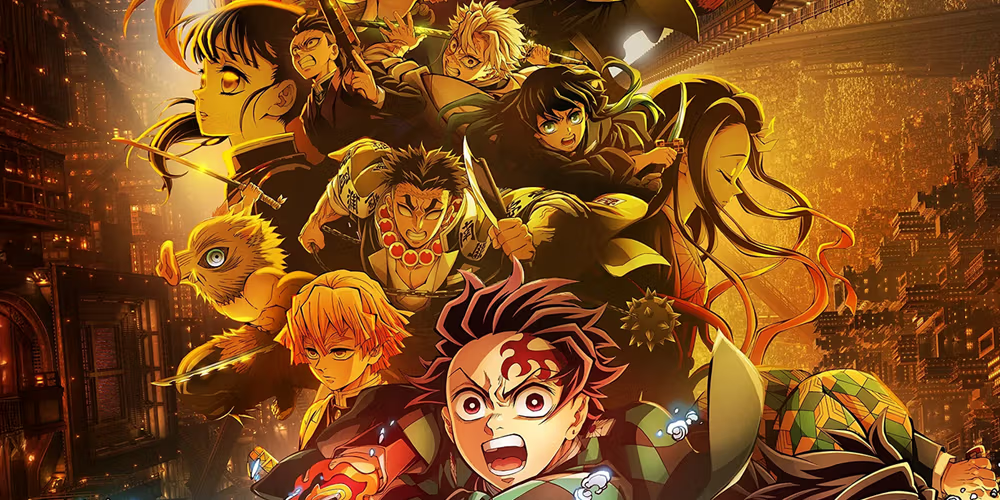
Anime Trends That Are Dominating Global Fans

Anime Reincarnated as a Goblin: to Unexpected Hero
Anime Reincarnated as a Goblin: From Weak Monster to Unexpected Hero – The isekai anime genre has never stopped evolving. Every year brings new stories about characters reincarnated as heroes, demons, swords, or even vending machines. But among all these ideas, one concept stands out for its uniqueness and raw storytelling potential: reincarnated as a goblin.
In anime and light novel culture, goblins are usually portrayed as the weakest monsters. They are hunted, underestimated, and rarely given depth. That is exactly why the idea of being reborn as a goblin has captured the attention of many anime fans.
Instead of starting as an overpowered hero, the main character begins life at the very bottom of the fantasy food chain.
Why “Reincarnated as a Goblin” Became Popular
The popularity of monster-reincarnation anime continues to grow. After the massive success of titles like reincarnated as a slime or reincarnated as a spider, fans began craving even darker and more challenging perspectives.
Being reborn as a goblin offers something different.
Goblins are not respected. They are hunted by adventurers and feared by villagers. Survival is never guaranteed. This creates constant tension and allows the story to focus on growth rather than instant power.
For many viewers, watching a character struggle from absolute weakness feels far more rewarding than watching someone start as an unbeatable hero.
The Core Concept of Goblin Reincarnation Anime
At its heart, anime reincarnated as a goblin follows a simple but powerful idea.
A human dies and awakens in a fantasy world as a goblin. With memories of their past life intact, the protagonist must learn how to survive using intelligence instead of strength.
Unlike typical isekai stories, this world does not welcome the hero. Society treats goblins as monsters, not people.
This hostile environment becomes the foundation for character development, moral conflict, and unpredictable storytelling.
Life as the Weakest Monster
Starting From Nothing
Most goblin reincarnation stories begin brutally. The protagonist is born with low stats, limited language ability, and constant hunger. Even other goblins can be dangerous due to internal tribal conflict.
Food is scarce. Death is common. Evolution requires risk.
These early survival arcs often become the most gripping part of the anime. Every small victory feels meaningful.
Evolution and Growth
As the goblin gains experience, many stories introduce an evolution system. Through combat, strategy, or leadership, the character slowly transforms.
Instead of becoming human-like immediately, growth feels earned. Each transformation reflects past decisions and sacrifices.
This progression system is one of the strongest elements in goblin-based isekai anime.
Dark Fantasy Elements That Define the Genre
Anime reincarnated as a goblin often leans heavily into dark fantasy themes.
The world is cruel, unfair, and violent. Goblins are slaughtered without hesitation. Humans are not always heroes. Adventurers may act worse than monsters.
This moral gray area makes the story more mature and emotionally complex.
Many series explore questions such as who is truly evil, whether monsters deserve compassion, and how power changes morality.
Goblin Society and World-Building
Tribal Hierarchy and Survival Politics
Unlike typical fantasy settings, goblin-focused anime pays close attention to monster society.
Tribes fight for territory, resources, and survival. Leadership is often decided through strength or intelligence. Betrayal and internal conflict are common.
As the reincarnated goblin grows stronger, he may rise as a leader, changing the fate of his entire tribe.
This political aspect adds depth rarely seen in standard isekai anime.
Interaction With Humans and Other Races
Human kingdoms view goblins as threats. Elves, dwarves, and beast races treat them with caution or hatred.
These interactions create powerful story tension.
When a goblin shows intelligence or mercy, it challenges the fantasy world’s beliefs and opens the door for alliances or devastating wars.
Why Fans Love This Type of Isekai Anime
One reason anime reincarnated as a goblin attracts attention is realism.
Despite being fantasy, the struggles feel grounded. Hunger, fear, leadership responsibility, and moral compromise all feel believable.
The protagonist cannot rely on destiny or divine blessings alone. Survival requires planning, sacrifice, and sometimes cruelty.
Fans who are tired of overpowered main characters find this approach refreshing.
Comparison With Other Monster Reincarnation Anime
Goblin reincarnation stands apart from slime or dragon reincarnation stories.
While slimes and dragons quickly gain god-like abilities, goblins remain fragile for a long time. Even at higher levels, they can still die easily.
This constant danger keeps tension alive throughout the story.
The anime feels closer to survival drama than power fantasy, which is why many viewers consider it more immersive.
Psychological Growth of the Main Character
Beyond physical evolution, mental development plays a major role.
The protagonist often struggles with identity. Are they still human inside, or have they become a monster?
As battles increase and deaths accumulate, emotional numbness becomes a real threat.
Some anime explore guilt, regret, and the fear of losing humanity entirely. These psychological conflicts elevate the story far beyond typical isekai formulas.
The Future of Goblin Reincarnation Anime
With the rising popularity of dark fantasy and monster-perspective stories, the future looks promising.
More studios are experimenting with morally complex narratives and unconventional protagonists. Goblin reincarnation fits perfectly within this trend.
As anime audiences mature, demand for deeper storytelling continues to grow.
Future adaptations are expected to feature higher animation quality, darker themes, and longer story arcs focused on world-building rather than fan service.
Final Thoughts
Anime reincarnated as a goblin offers a refreshing twist on the isekai genre. Instead of power and glory, it focuses on struggle, survival, and transformation.
Starting from the weakest monster creates emotional weight that few anime concepts can match. Every battle matters. Every choice has consequences.
For fans seeking something darker, more realistic, and emotionally engaging, goblin reincarnation anime delivers a powerful experience that proves even the weakest creature can shape the fate of an entire world.

Latest and Most Popular Gore Anime of 2026
Latest and Most Popular Gore Anime of 2026: Dark Stories That Push the Limits – The anime industry continues to evolve every year, and in 2026, one genre stands out more than ever: gore anime. Known for its intense violence, emotional trauma, and disturbing visuals, anime gore has grown far beyond simple shock value. Today, it blends psychological depth, strong storytelling, and high-quality animation that attracts millions of fans worldwide.
In 2026, several new and returning titles dominate discussions across anime communities. From brutal survival games to supernatural horror filled with blood-soaked battles, gore anime is entering one of its strongest eras yet.
This article explores the latest and most popular anime gore of 2026, why the genre keeps growing, and what makes these dark stories so addictive for viewers.
The Rise of Gore Anime in Modern Culture
Gore anime was once considered niche, enjoyed only by hardcore horror fans. But over the past decade, the genre has become mainstream. Streaming platforms now openly feature violent anime alongside popular action and fantasy titles.
By 2026, audiences are no longer drawn only to graphic scenes. Viewers want emotional tension, realistic fear, and morally complex characters. Gore anime delivers all three.
The success of previous titles like Attack on Titan, Tokyo Ghoul, and Devilman Crybaby paved the way. These series proved that violence, when paired with strong storytelling, could create unforgettable narratives rather than empty brutality.
Most Popular Gore Anime in 2026
Several anime releases in 2026 stand out due to their popularity, animation quality, and strong online discussion.
Many of these titles combine gore with dark fantasy, psychological horror, and post-apocalyptic themes.
New-Generation Gore Anime Series
The newest anime of 2026 focus heavily on atmosphere. Blood and violence are used to emphasize despair rather than shock.
One trending series features a ruined cyberpunk city where humans and bio-engineered creatures coexist in constant conflict. Its brutal street fights and emotional character deaths made it one of the most talked-about anime of the year.
Another popular title explores a cursed island where survivors must hunt monsters at night while avoiding betrayal during the day. Graphic deaths, realistic fear reactions, and unpredictable plot twists keep viewers hooked week after week.
These series prove that modern gore anime relies on tension and storytelling rather than nonstop violence.
Returning Titles That Dominate 2026
Not all popular gore anime in 2026 are brand new. Several long-awaited sequels returned with even darker tones.
Fans were especially excited about continuations that raised animation quality while pushing emotional storytelling further. Major character deaths, morally broken heroes, and devastating battle scenes elevated these sequels far beyond their earlier seasons.
The return of these franchises helped cement 2026 as a peak year for gore anime popularity.
Psychological Horror Meets Extreme Violence
One reason gore anime thrives in 2026 is its focus on mental trauma.
Violence With Meaning
Modern gore anime no longer shows blood just for shock. Violence now serves narrative purpose. Characters suffer permanent injuries, psychological breakdowns, and irreversible consequences.
This approach creates stronger emotional impact. Viewers don’t just watch characters die; they feel the weight of loss, fear, and guilt carried by survivors.
Some 2026 anime dedicate entire episodes to silence, tension, and emotional collapse, making violent moments even more powerful when they occur.
Animation Quality Reaches a New Level
Another factor behind the popularity of anime gore in 2026 is the massive improvement in animation technology.
Studios use advanced lighting, cinematic camera movement, and realistic sound design to make scenes feel intense but not exaggerated. Blood physics, facial expressions, and environmental destruction look more detailed than ever.
Rather than constant red visuals, modern gore anime balances brutality with artistic direction, making scenes disturbing yet visually impressive.
This high production value attracts not only horror fans but also viewers who appreciate cinematic storytelling.
Popular Themes in Gore Anime 2026
Several themes appear repeatedly across popular titles this year.
Survival and Human Instinct
Many anime focus on survival situations where characters must choose between morality and life. These stories question what it truly means to be human when society collapses.
Characters often face impossible decisions, sacrificing others to protect themselves or loved ones. The gore elements highlight the consequences of these choices.
Supernatural Horror and Ancient Curses
Another common theme involves ancient beings, forbidden rituals, and cursed bloodlines. These stories blend folklore with extreme violence, creating terrifying worlds filled with mystery.
The unknown plays a major role. Viewers rarely know who will survive, making every episode unpredictable.
Why Gore Anime Fans Keep Growing
Despite its graphic nature, the gore anime fanbase continues to expand globally.
Many viewers enjoy the emotional intensity that lighter genres cannot provide. Gore anime delivers raw fear, despair, and adrenaline in ways that feel honest and unfiltered.
In 2026, social media discussions, reaction videos, and weekly theory debates contribute heavily to the genre’s popularity. Fans analyze symbolism, hidden messages, and psychological themes beyond the violence itself.
This deeper engagement turns gore anime into long-term franchises rather than short-lived shock content.
Is Gore Anime Only About Violence?
A common misconception is that gore anime exists only to display blood. In reality, the strongest titles of 2026 focus on storytelling first.
Behind the violence are themes of loss, trauma, friendship, revenge, and hope. Many characters begin as ordinary people forced into horrific situations. Their transformation becomes the true core of the story.
When done correctly, gore becomes a storytelling tool, not the main attraction.
The Future of Gore Anime After 2026
Looking ahead, the genre shows no signs of slowing down.
Studios are investing more budget into dark anime due to consistent global demand. International streaming platforms actively request mature titles, giving creators more freedom to explore darker narratives.
Future anime are expected to mix gore with science fiction, psychological drama, and even romance, creating emotionally complex stories rarely seen before.
As censorship barriers decrease, creators can focus on realism, making future titles even more immersive.
Final Thoughts on Anime Gore 2026
Anime gore in 2026 represents a mature evolution of the genre. No longer limited to excessive bloodshed, it now delivers deep storytelling, emotional realism, and cinematic animation.
With new series pushing creative boundaries and returning titles exceeding expectations, this year stands as one of the strongest periods for dark anime fans.
For viewers who enjoy intense stories, unpredictable plots, and emotionally heavy narratives, the latest and most popular gore anime of 2026 offers an unforgettable experience that goes far beyond simple horror.
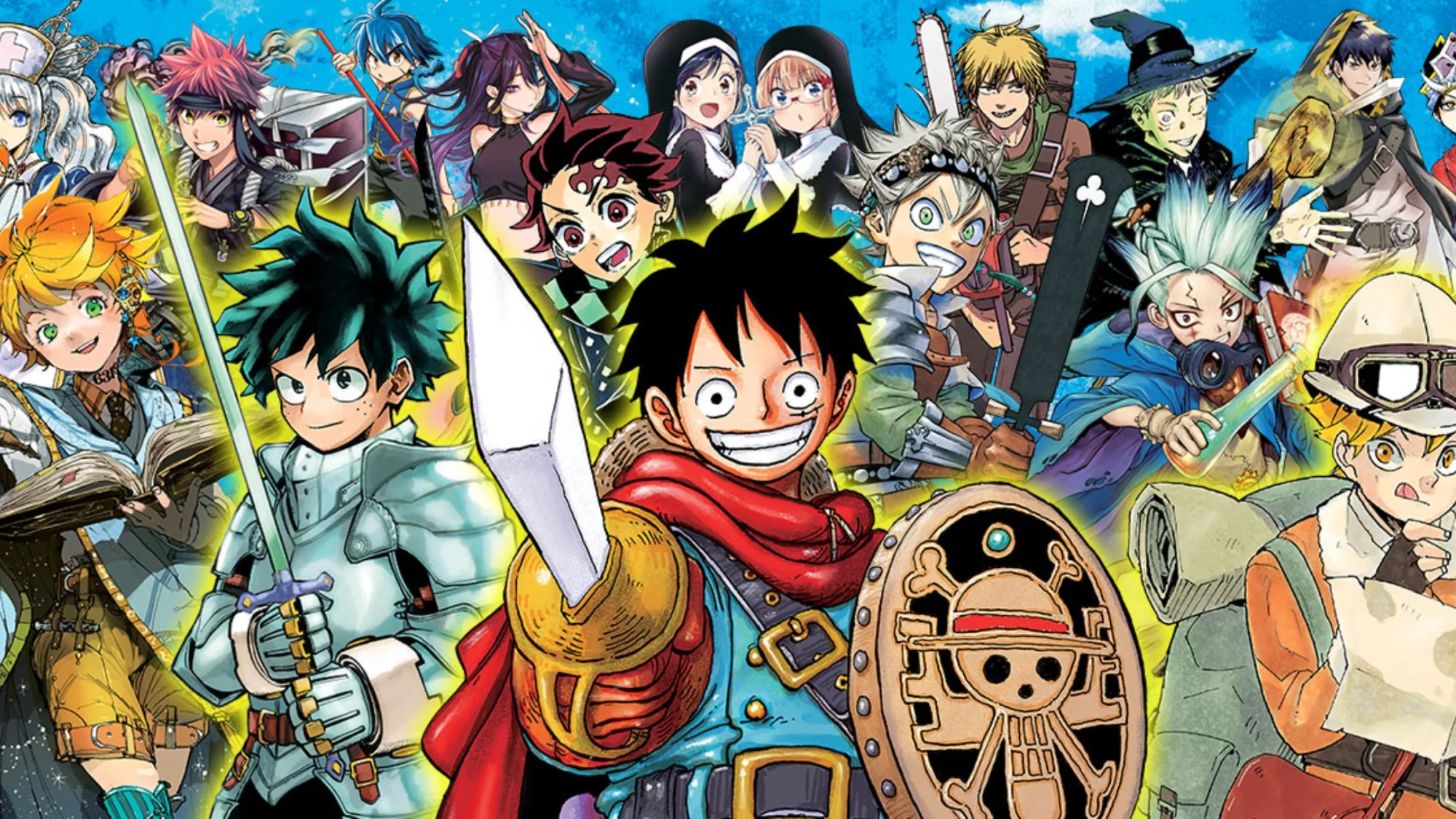
Why Anime Continues to Captivate Global Audiences
Why Anime Continues to Captivate Global Audiences – Anime is no longer a niche form of entertainment enjoyed only by a small group of fans in Japan. Over the past few decades, anime has grown into a global cultural phenomenon. From teenagers discovering their first series on streaming platforms to adults who grew up watching classic titles, anime continues to attract audiences of all ages and backgrounds. But what exactly makes anime so appealing
across different cultures and generations?
This article explores the key reasons why anime continues to captivate global audiences and why its popularity shows no sign of slowing down.
The Unique Storytelling Power of Anime
One of the strongest reasons anime resonates worldwide is its storytelling. Unlike many Western animated shows that are often aimed primarily at children, anime covers a wide range of themes and genres designed for all age groups.
Deep and Emotional Narratives
Anime is known for telling emotionally rich stories that explore love, loss, ambition, friendship, and identity. Series like Naruto, Attack on Titan, and Your Lie in April connect deeply with viewers by portraying characters who grow, fail, and evolve over time. These emotional journeys feel personal, making audiences invest in the story on a deeper level.
Anime doesn’t shy away from difficult topics such as mental health, war, loneliness, or moral conflict. This honesty makes the stories feel real, even when they take place in fantasy or sci-fi worlds.
Complex Characters That Feel Human
Another strength of anime storytelling is character development. Anime characters are rarely perfect heroes or villains. Instead, they are layered, flawed, and relatable. Viewers often see parts of themselves reflected in these characters, which helps create a strong emotional bond.
This complexity keeps audiences engaged and encourages long-term loyalty to a series or franchise.
Visual Style That Stands Out
Anime’s visual identity plays a major role in its global appeal. The art style is instantly recognizable and offers creative freedom that live-action productions often can’t match.
Artistic Freedom and Imagination
From vibrant fantasy worlds to detailed futuristic cities, anime visuals allow creators to push the limits of imagination. Whether it’s the soft, emotional aesthetic of slice-of-life anime or the intense action scenes of shonen series, anime visuals are designed to leave a lasting impression.
This artistic flexibility allows anime to tell stories that would be difficult or extremely expensive to produce in live-action formats.
Iconic Character Design
Anime characters often have memorable designs that stick in viewers’ minds. Unique hairstyles, expressive eyes, and distinctive outfits help characters stand out and become easily recognizable across cultures. This visual appeal also contributes to anime’s strong presence in merchandise, cosplay, and fan art communities.
Cultural Curiosity and Global Connection
Anime also acts as a gateway to Japanese culture, which fascinates audiences around the world.
A Window into Japanese Culture
Through anime, viewers are introduced to Japanese traditions, food, festivals, school life, and social values. Even fantasy anime often includes subtle cultural elements that spark curiosity and appreciation for Japan’s way of life.
This cultural exposure feels organic rather than forced, making it enjoyable and educational at the same time.
Universal Themes Beyond Borders
Despite its cultural roots, anime often focuses on universal themes such as friendship, perseverance, dreams, and justice. These themes transcend language and cultural barriers, allowing audiences from different countries to connect with the stories on a personal level.
The Role of Streaming and Digital Platforms
The rise of streaming platforms has played a huge role in anime’s global expansion.
Easy Access for Global Audiences
In the past, anime fans relied on DVDs, television broadcasts, or fan translations. Today, platforms like Netflix, Crunchyroll, and others make anime easily accessible worldwide. Subtitles and dubbing options allow viewers to enjoy anime in their preferred language, breaking down barriers that once limited its reach.
This accessibility has helped anime reach new audiences who may never have discovered it otherwise.
Binge-Watching Culture
Anime fits perfectly into modern binge-watching habits. Many series have continuous storylines that encourage viewers to watch episode after episode. This format keeps audiences engaged and emotionally invested, increasing the chances of long-term fandom.
Strong Fan Communities and Online Culture
Anime fandom is one of the most passionate and active communities in global entertainment.
Social Media and Fan Engagement
Fans connect through social media, forums, and conventions to discuss theories, share fan art, and celebrate their favorite characters. This sense of community makes watching anime feel like a shared experience rather than a solo activity.Online discussions also keep older anime relevant, as new viewers discover classic series and join ongoing conversations.
Cosplay, Music, and Pop Culture Influence
Anime has influenced fashion, music, gaming, and even Western animation styles. Cosplay events and anime conventions attract millions of fans each year, further strengthening anime’s cultural impact.
Opening and ending theme songs also play a major role in building emotional connections, often becoming iconic pieces of music on their own.
Anime’s Ability to Evolve with Time
Another reason anime continues to thrive is its ability to adapt to changing trends and audience preferences.
Diverse Genres for Every Taste
Anime offers something for everyone. Action, romance, horror, comedy, mystery, sports, and slice-of-life genres allow viewers to find stories that match their interests. New genres and hybrid styles continue to emerge, keeping the medium fresh and exciting.
Innovation in Storytelling and Animation
Modern anime studios experiment with animation techniques, storytelling structures, and themes that reflect contemporary issues. This willingness to innovate helps anime stay relevant and appealing to younger generations.
Conclusion: Why Anime’s Global Appeal Will Continue
Anime continues to captivate global audiences because it offers more than just entertainment. It provides emotional storytelling, visually striking art, cultural insight, and a strong sense of community. Its ability to connect with viewers on a personal level, regardless of age or nationality, makes it a powerful and lasting form of media.
As technology advances and global access becomes even easier, anime’s influence is likely to grow even further. For many fans around the world, anime is not just a hobby, but a meaningful part of their lives.
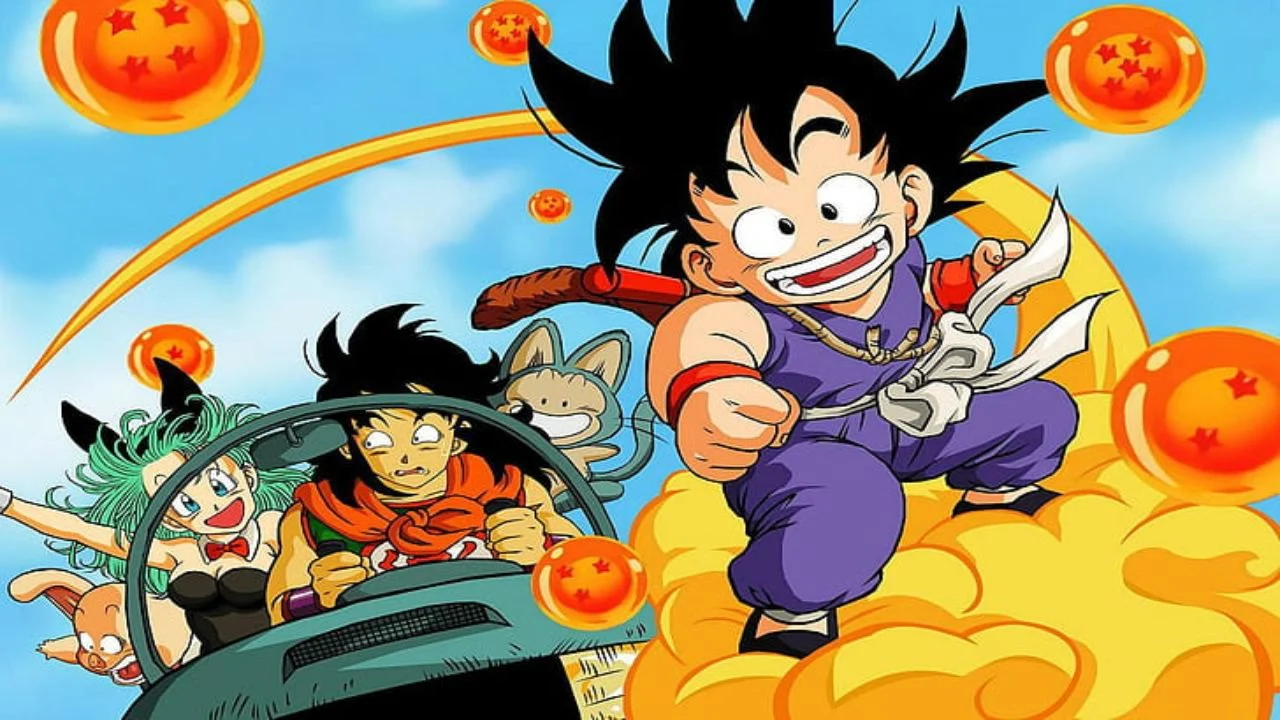
How Anime Worlds Changed Pop Culture Forever
How Anime Worlds Changed Pop Culture Forever – Anime is more than animation. It’s a cultural movement that has influenced music, fashion, and even how people think. Some anime worlds became so iconic that they changed pop culture forever. These series didn’t just become popular; they shaped the world.
Neo-Tokyo and the Rise of Cyberpunk: Akira
Akira changed everything. Its dark, cyberpunk cityscape introduced a new style of storytelling. Neo-Tokyo became a symbol of urban chaos and futuristic decay. The movie influenced countless films, games, and art styles. It proved anime could be serious, artistic, and globally relevant.
Before Akira, anime was mostly seen as niche. After it, anime became part of global pop culture.
The Girl Power Revolution: Sailor Moon
Sailor Moon redefined female heroes. The series made magical girl anime popular around the world. It showed that girls could be strong, brave, and powerful. The characters inspired millions and sparked a new wave of female-driven stories.
The show also impacted fashion, with sailor uniforms and magical accessories becoming iconic. Cosplay culture grew because of this series.
The Ninja World That Became a Lifestyle: Naruto
Naruto became a global phenomenon. It made ninja culture trendy and introduced themes of friendship and perseverance. Fans connected with the characters and their struggles. The world of ninjas, villages, and powerful techniques became part of everyday pop culture.
“Believe it!” became a catchphrase for a generation, showing how anime can influence language.
When Anime Went Mainstream: Attack on Titan
Attack on Titan brought anime to mainstream audiences. Its dark world, intense action, and shocking twists captured global attention. The show helped streaming platforms realize anime’s huge potential.
The idea of humans fighting giant monsters behind walls became iconic. The series created a new wave of dark fantasy in anime and beyond.
The Adventure World That Keeps Growing: One Piece
One Piece is one of the longest-running anime series, and it’s still influencing pop culture. Its pirate world inspired games, movies, and fan art. The themes of adventure, friendship, and freedom resonate with audiences worldwide.
The series shows how anime can build a world that lasts for decades.
Why These Worlds Matter
These anime worlds changed pop culture because they created more than stories—they created communities. They inspired fashion trends, memes, music, and even new genres. They proved that anime can be a global force, shaping pop culture for years to come.
The Anime Worlds That Reshaped Pop Culture
Anime isn’t just a genre. It’s a cultural phenomenon. Over the years, certain anime worlds have become so influential that they changed pop culture forever. These stories didn’t just gain fans—they created movements.
The Cyberpunk Revolution: Akira
Akira introduced the world to a darker side of animation. Its dystopian setting and powerful visuals changed how people viewed anime. Neo-Tokyo became a symbol of futuristic chaos, inspiring countless artists and creators.
The film also helped anime gain international recognition. It showed that anime could be mature, intense, and deeply artistic.
The Magical Girl Trend: Sailor Moon
Sailor Moon is one of the most important anime series in history. It changed how girls were portrayed in animation. The series made magical girl anime popular worldwide and gave girls a new type of hero.
The show also influenced fashion. The iconic sailor uniforms became a trend in street style and cosplay. It also sparked a wave of female empowerment in media.
Ninja Dreams and Friendship: Naruto
Naruto became a global success because it combined action with emotion. Its themes of friendship, determination, and self-discovery resonated with fans everywhere. The world of ninjas became a major trend in pop culture.
The series also helped popularize anime memes and fan communities. It showed how powerful storytelling can create a lasting cultural impact.
The Dark Fantasy Boom: Attack on Titan
Attack on Titan changed the anime landscape. Its intense action and dark world attracted audiences beyond the typical anime fan base. The show helped anime become mainstream on streaming platforms.
The giant monsters and wall-based world became iconic. It inspired new fantasy stories in anime and Western media.
A World of Endless Adventure: One Piece
One Piece is still going strong, and it’s still influencing pop culture. Its pirate world is full of unique characters and adventures. The series has inspired games, movies, and even theme park attractions.
It proves that anime can create worlds that stay relevant for generations.
The Lasting Impact
These anime worlds didn’t just entertain—they shaped pop culture. They changed fashion, language, and storytelling. They created fandoms that are still active today. That’s why these anime worlds will always be remembered.
Anime Worlds That Forever Changed Pop Culture
Some anime series do more than tell stories. They create worlds that become part of pop culture. These anime universes have influenced music, fashion, and even how people speak. They’ve shaped the modern entertainment world.
Neo-Tokyo’s Dark Future: Akira
Akira is one of the most influential anime films ever made. Its dystopian setting and bold animation changed how people saw anime. Neo-Tokyo became a symbol of cyberpunk culture and futuristic chaos.
The film helped anime reach global audiences, and it inspired many creators in film and gaming. Its impact is still visible in modern pop culture.
The Heroic Girls of Sailor Moon
Sailor Moon changed the game for female characters. It showed that girls could be heroes too. The series created a new wave of magical girl anime and inspired a generation of fans.
The show’s fashion and style also became iconic. Sailor uniforms and magical accessories are still popular in cosplay and street fashion.
The Global Ninja Phenomenon: Naruto
Naruto became a worldwide sensation. It introduced audiences to a rich world of ninjas, villages, and powerful techniques. The series is known for its emotional storytelling and strong themes of friendship.
It influenced language, memes, and even workout culture. Naruto became more than a show—it became a lifestyle for many fans.
The Dark World That Went Viral: Attack on Titan
Attack on Titan brought anime to a wider audience. Its intense action and shocking storylines attracted people who never watched anime before. The show helped streaming services invest heavily in anime.
The iconic imagery of giant titans and towering walls became a cultural symbol, inspiring many creators.
The Pirate Adventure That Never Ends: One Piece
One Piece has been running for years, and it continues to influence pop culture. Its world is full of adventure, unique characters, and unforgettable moments.
The series shows how anime can create a world that lasts forever.
Why These Worlds Matter
These anime worlds changed pop culture because they created real emotional connections. Fans didn’t just watch them—they lived in them. These series shaped the way people think about animation, storytelling, and creativity.
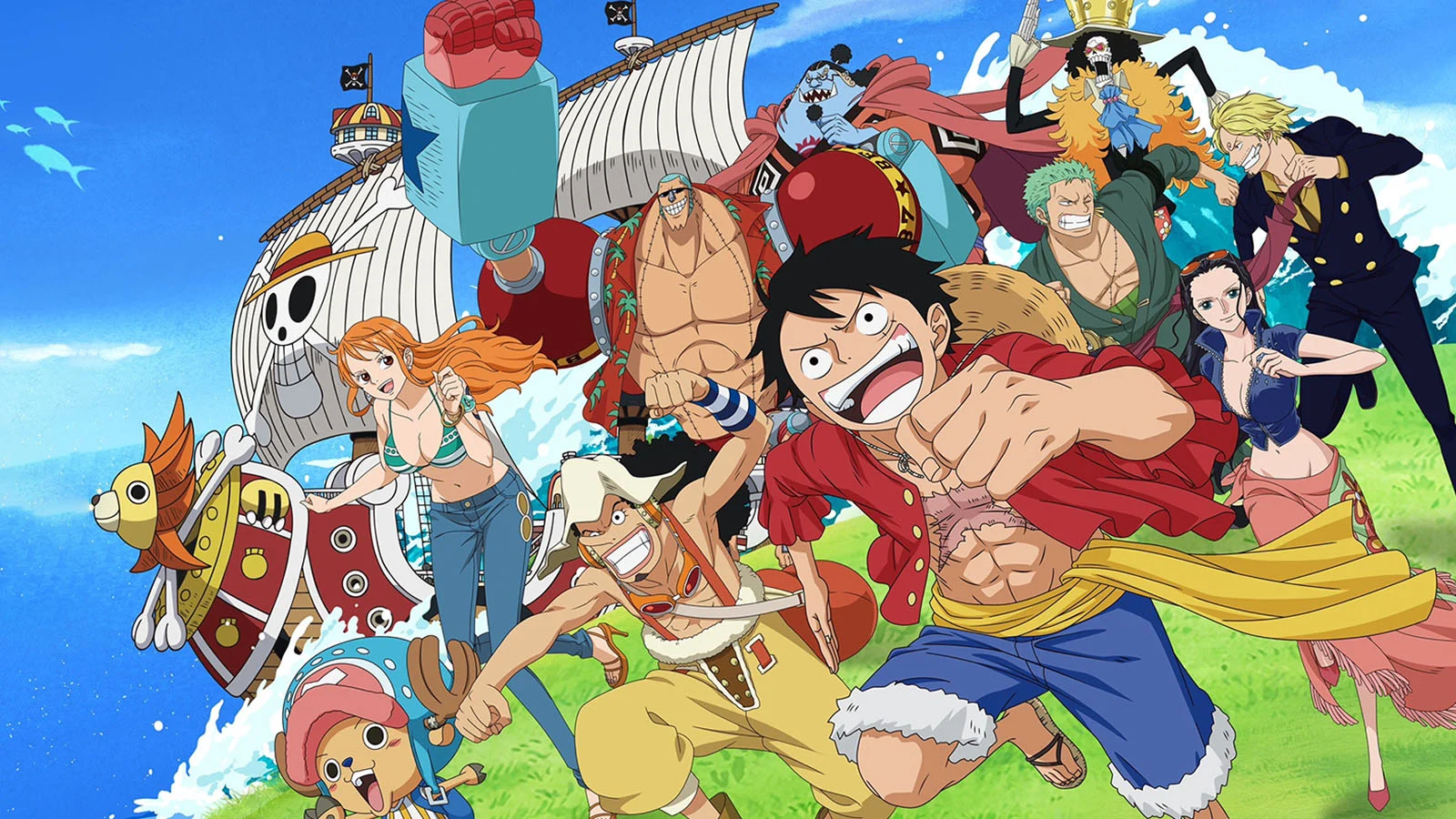
Anime Worlds That Changed Pop Culture Forever
Anime Worlds That Changed Pop Culture Forever – Anime is more than just cartoons. It’s a cultural force that has shaped music, fashion, movies, and even how we talk. Some anime worlds were so influential that they changed pop culture forever. These stories didn’t just entertain—they created entire trends that spilled into everyday life.
The Birth of Modern Anime Fandom: Akira
When Akira arrived in the late 1980s, it shocked audiences with its bold visuals and dystopian tone. It was one of the first anime films to show the world what Japanese animation could do on a global stage. The futuristic city of Neo-Tokyo, with its neon lights and street gangs, became a template for many sci-fi stories that followed. Even today, movies and games still borrow its gritty urban style.
The film also introduced many people outside Japan to anime. Before Akira, anime was mostly seen as a niche hobby. After Akira, it became mainstream. That’s a huge shift, and it started the global anime movement.
The Magic of Sailor Moon: Girls Can Be Heroes Too
Sailor Moon didn’t just make magical girl anime popular. It changed how girls were represented in pop culture. Before this series, most female characters in cartoons were either sidekicks or love interests. Sailor Moon gave girls power, teamwork, and a sense of purpose.
The series also shaped fashion. Sailor collars, colorful uniforms, and cute accessories became part of everyday style. Fans started dressing like their favorite characters, and that trend continues in cosplay today.
The Power of Friendship: Naruto
Naruto is a story about hard work, dreams, and friendship. It showed that anime could tell emotional, relatable stories that didn’t need to be “cute” or “funny” to be popular. The ninja world in Naruto became a cultural phenomenon, inspiring everything from memes to workout routines.
The phrase “Believe it!” became a catchphrase for a generation. Even if you didn’t watch the show, you’d hear it everywhere. Naruto proved that anime could influence language, just like major TV shows and movies.
The World That Made Streaming Mainstream: Attack on Titan
Attack on Titan brought anime to a new level. The show’s intense action, dark themes, and complex characters attracted audiences who normally wouldn’t watch anime. Its success pushed streaming platforms to invest more in anime, making it easier for people around the world to access new series.
The show’s unique world—where humans live behind walls to survive giant monsters—became instantly iconic. The “titan” imagery is now used in memes, art, and even fashion. This series helped anime become a global entertainment giant.
The Future of Pop Culture: One Piece
One Piece is still running after decades, and it’s not slowing down. Its world is vast, its characters unforgettable, and its storytelling masterful. The series has influenced not just other anime, but video games, movies, and even theme parks.
The pirate world of One Piece has made “adventure” a popular theme in modern storytelling. Its success proves that anime can create worlds that stay relevant for years.
Why These Anime Worlds Matter
What makes these anime worlds so influential is their ability to connect with people. They’re not just stories—they’re entire universes that people want to live in. They shape fashion, language, and even how we think about heroes and villains.
These anime worlds didn’t just entertain us. They changed pop culture forever, and they’re still shaping it today.
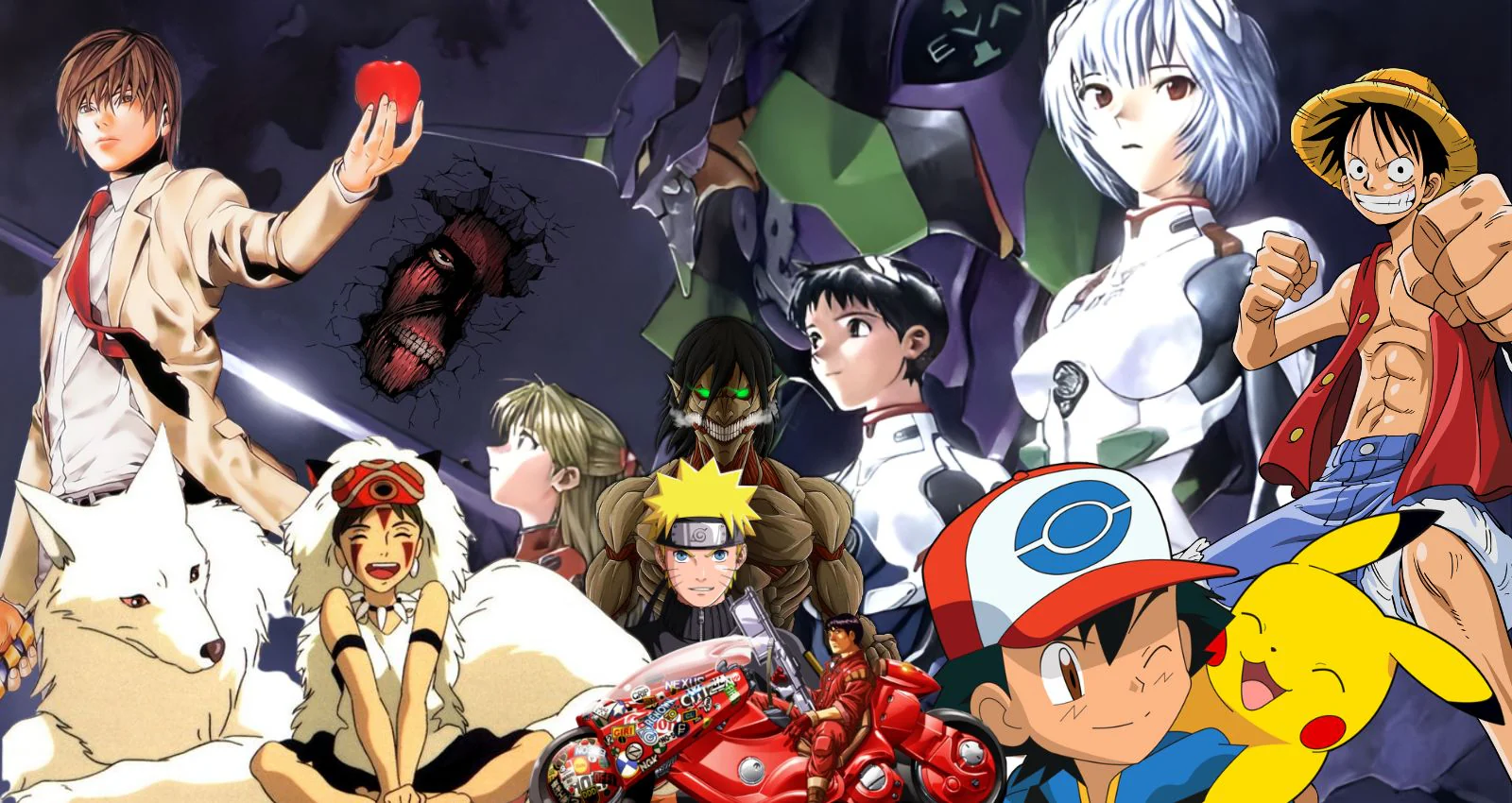
Exploring Modern Anime Stories Trends And Fan Culture
Exploring Modern Anime Stories Trends And Fan Culture – Anime is no longer just a niche form of entertainment from Japan. In today’s digital world, anime has become a global storytelling powerhouse, influencing fashion, music, gaming, and online communities. Modern anime stories reflect changing social values, new creative risks, and a deeply connected fan culture that continues to grow every year.
This article explores how anime storytelling has evolved, the biggest trends shaping modern anime, and how fan culture plays a major role in keeping the industry alive and relevant.
The Evolution of Anime Storytelling
From Simple Plots to Complex Narratives
Early anime often focused on simple themes like friendship, adventure, or clear battles between good and evil. While those elements still exist, modern anime stories have become more layered and emotionally driven. Many series now explore moral ambiguity, trauma, identity, and social pressure.
Shows like Attack on Titan, Tokyo Ghoul, and Chainsaw Man push viewers to question right and wrong instead of offering easy answers. This shift has helped anime attract older audiences who want deeper stories rather than purely action-based entertainment.
Genre Blending Becomes the New Standard
Modern anime rarely sticks to just one genre. Romance blends with fantasy, horror mixes with comedy, and slice-of-life elements appear in action-heavy series. This genre blending keeps stories fresh and unpredictable.
For example, isekai anime used to focus only on fantasy adventure, but now many series add psychological themes, dark humor, or political drama. This evolution keeps long-time fans interested while welcoming new viewers who want something different.
Popular Trends in Modern Anime
Darker Themes and Emotional Realism
One major trend in modern anime is the use of darker themes. Death, mental health, loneliness, and societal pressure are now openly discussed. These topics reflect real-world struggles, making anime feel more relatable.
Rather than glorifying violence, many series show the emotional cost of conflict. Characters suffer consequences, lose loved ones, and carry emotional scars. This realism adds weight to the story and keeps viewers emotionally invested.
Stronger and More Complex Characters
Modern anime characters are no longer one-dimensional heroes or villains. Protagonists can be flawed, insecure, or morally conflicted. Antagonists often have understandable motivations rather than pure evil goals.
Female characters have also gained stronger roles. Many modern anime portray women as leaders, fighters, or emotionally complex individuals instead of background characters. This change reflects a broader demand for balanced representation in storytelling.
Shorter Seasons and High Production Quality
Another noticeable trend is the shift toward shorter anime seasons. Instead of long-running series with filler episodes, many studios focus on 12 to 24 episode seasons with tighter storytelling and higher animation quality.
This approach allows studios to invest more time in visuals, sound design, and pacing. As a result, modern anime often feels more cinematic and polished, especially with the rise of streaming platforms funding original content.
The Influence of Global Audiences
Anime Goes International
Anime is no longer created only for Japanese audiences. Studios now consider global viewers from the beginning. Story themes are more universal, and cultural references are often easier for international fans to understand.
Streaming services like Netflix and Crunchyroll have played a huge role in this shift. Simultaneous global releases allow fans from different countries to experience anime together, creating worldwide discussions and trends.
Fan Feedback Shapes Future Content
Social media gives fans a louder voice than ever before. Viewer reactions, fan art, memes, and online debates influence how studios approach future seasons or adaptations.
When a series becomes popular online, it often leads to spin-offs, movies, or merchandise. In some cases, fan support can even revive canceled projects, showing how powerful modern anime communities have become.
Modern Anime Fan Culture
Online Communities and Digital Fandom
Anime fans today connect mostly through online platforms. Reddit, Discord, Twitter, and TikTok are filled with discussions, theories, and fan-made content. These spaces allow fans to share opinions, argue about story directions, and celebrate their favorite characters.
Fan culture is no longer passive. Viewers actively participate by creating content, analyzing episodes, and building friendships around shared interests. This sense of belonging keeps people engaged with anime beyond just watching episodes.
Cosplay, Events, and Real-World Impact
Anime fan culture also exists offline. Cosplay events, conventions, and fan gatherings continue to grow worldwide. Fans express their love for anime through costumes, art, and performances.
These events help strengthen the bond between fans and creators. Voice actors, animators, and directors often attend conventions, creating a closer relationship between the industry and its audience.
The Role of Technology in Anime’s Growth
Streaming Platforms Change Everything
Streaming has transformed how anime is consumed. Viewers can binge-watch entire seasons, explore older titles, and discover niche genres with ease. Algorithms recommend shows based on viewing habits, helping lesser-known anime find new fans.
This accessibility has lowered the entry barrier for new viewers, making anime more mainstream than ever before.
Social Media Fuels Viral Popularity
Short clips, opening songs, and emotional scenes often go viral on social media. A single trending moment can turn an unknown anime into a global hit overnight.
This fast-paced exposure encourages studios to focus on memorable scenes, strong character moments, and impactful music, knowing that these elements drive online engagement.
The Future of Anime Stories and Fan Culture
Anime storytelling will likely continue evolving alongside its audience. As fans grow older, stories will adapt to reflect more mature themes and diverse perspectives. At the same time, new generations will bring fresh expectations and creative demands.
Fan culture will remain a driving force behind anime’s success. The relationship between creators and fans is more interactive than ever, shaping the direction of future stories.
Conclusion
Modern anime is more than just animated entertainment. It is a reflection of changing storytelling trends, global influence, and passionate fan culture. With deeper narratives, stronger characters, and worldwide communities, anime continues to grow as a powerful cultural force.
As technology connects fans across borders and creators push creative limits, anime’s future looks more exciting than ever. Whether you are a long-time fan or a newcomer, modern anime offers stories that resonate far beyond the screen.
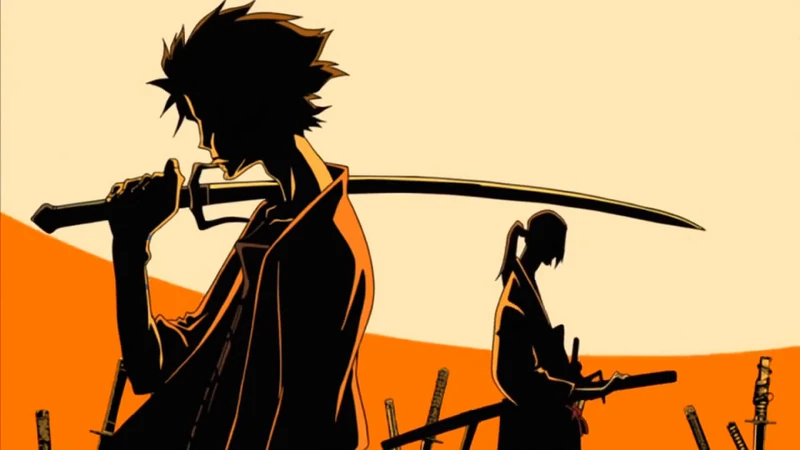
Epic Journeys and Hidden Powers in the World of Anime
Epic Journeys and Hidden Powers in the World of Anime Adventures – Anime has always been a world where imagination runs wild, filled with epic journeys, hidden powers, and unforgettable characters. From the quiet beginnings of a young hero to massive battles that decide the fate of entire worlds, anime offers more than just entertainment—it’s an experience that draws fans into complex universes where anything is possible.
The Allure of Epic Journeys
One of the most captivating aspects of anime is the epic journey. Many anime stories revolve around a protagonist who leaves the comfort of home to explore unknown lands. These journeys are not just physical; they often symbolize personal growth. Characters face challenges, meet allies and enemies, and discover their true potential along the way.
Take, for example, shows like Naruto or One Piece. Naruto’s journey to become Hokage is more than a tale of battles; it’s about friendship, perseverance, and finding self-worth. Similarly, Monkey D. Luffy’s adventure in One Piece is full of fantastical islands, dangerous foes, and the relentless pursuit of dreams. These stories resonate because they reflect the universal human desire for growth and discovery.
The Role of Companions
No epic journey in anime is complete without companions. Friends and allies often help the main character navigate obstacles and provide emotional support. Their interactions create some of the most memorable moments in anime, from lighthearted comedy to deep, emotional scenes. Companions often act as mirrors to the protagonist, showing different sides of their personality and helping them unlock hidden strengths.
Hidden Powers and Transformation
Hidden powers are another iconic element in anime adventures. Many characters start off seemingly ordinary but possess abilities that emerge under extreme circumstances. This transformation is both exciting and inspiring for viewers. It emphasizes the theme that everyone has untapped potential waiting to be discovered.
For instance, in Dragon Ball Z, Goku’s constant push to surpass his limits and unlock new forms keeps the story thrilling. Similarly, in My Hero Academia, characters learn to control their quirks in ways that reflect personal growth and responsibility. Hidden powers often symbolize inner strength and resilience, which makes them a core appeal in adventure anime.
Training and Growth
Unlocking hidden powers in anime is rarely instant. Characters often undergo rigorous training, face failures, and experience setbacks before they achieve mastery. These moments make the journey realistic and relatable, despite the fantastical setting. Training sequences also serve as opportunities for world-building, giving audiences a glimpse into the rules and logic of the anime universe.
Adventure Beyond Battles
While battles and power-ups are central to many anime, the adventure itself is equally important. Exploring new worlds, cultures, and mysteries adds depth to the story. Anime often combines fantasy, science fiction, and real-world inspiration to create settings that feel alive and immersive.
For example, in Attack on Titan, the exploration of humanity’s survival against giant creatures adds tension and mystery, making every journey unpredictable. In Fullmetal Alchemist: Brotherhood, Edward and Alphonse’s quest to restore their bodies combines emotional depth with philosophical questions, showing that adventure in anime is rarely superficial.
The Emotional Journey
Adventure in anime isn’t just about the external journey; it’s about the emotional one. Characters often grapple with fear, loss, love, and friendship. These emotional arcs make viewers invested in their growth and victories. By connecting with characters on an emotional level, fans experience the thrill of the journey themselves.
Why Fans Keep Coming Back
Anime with epic journeys and hidden powers continues to attract fans for several reasons. First, these stories combine action, fantasy, and emotional depth in ways that few other mediums can. Second, the characters’ growth and discoveries inspire viewers to reflect on their own potential. Finally, the unpredictability of the journey keeps audiences engaged, as anything can happen in the world of anime.
The combination of adventure, character development, and hidden powers makes anime a rich medium for storytelling. It’s no wonder that fans eagerly anticipate every new episode, manga chapter, or spin-off. These stories don’t just entertain—they create communities of fans who share theories, fan art, and endless discussions about their favorite journeys.
Conclusion: The Magic of Anime Adventures
Anime adventures are much more than fights and superpowers. They are tales of personal growth, friendships, and discovering hidden strengths. Whether it’s a young ninja striving to become Hokage or a pirate searching for the ultimate treasure, these journeys captivate audiences by blending emotional depth with thrilling adventures.
The magic of anime lies in its ability to inspire and entertain simultaneously. Hidden powers, epic quests, and unforgettable companions make these stories timeless, inviting fans to embark on journeys that are both extraordinary and relatable. Every adventure teaches us something about courage, perseverance, and the untapped potential within us all.
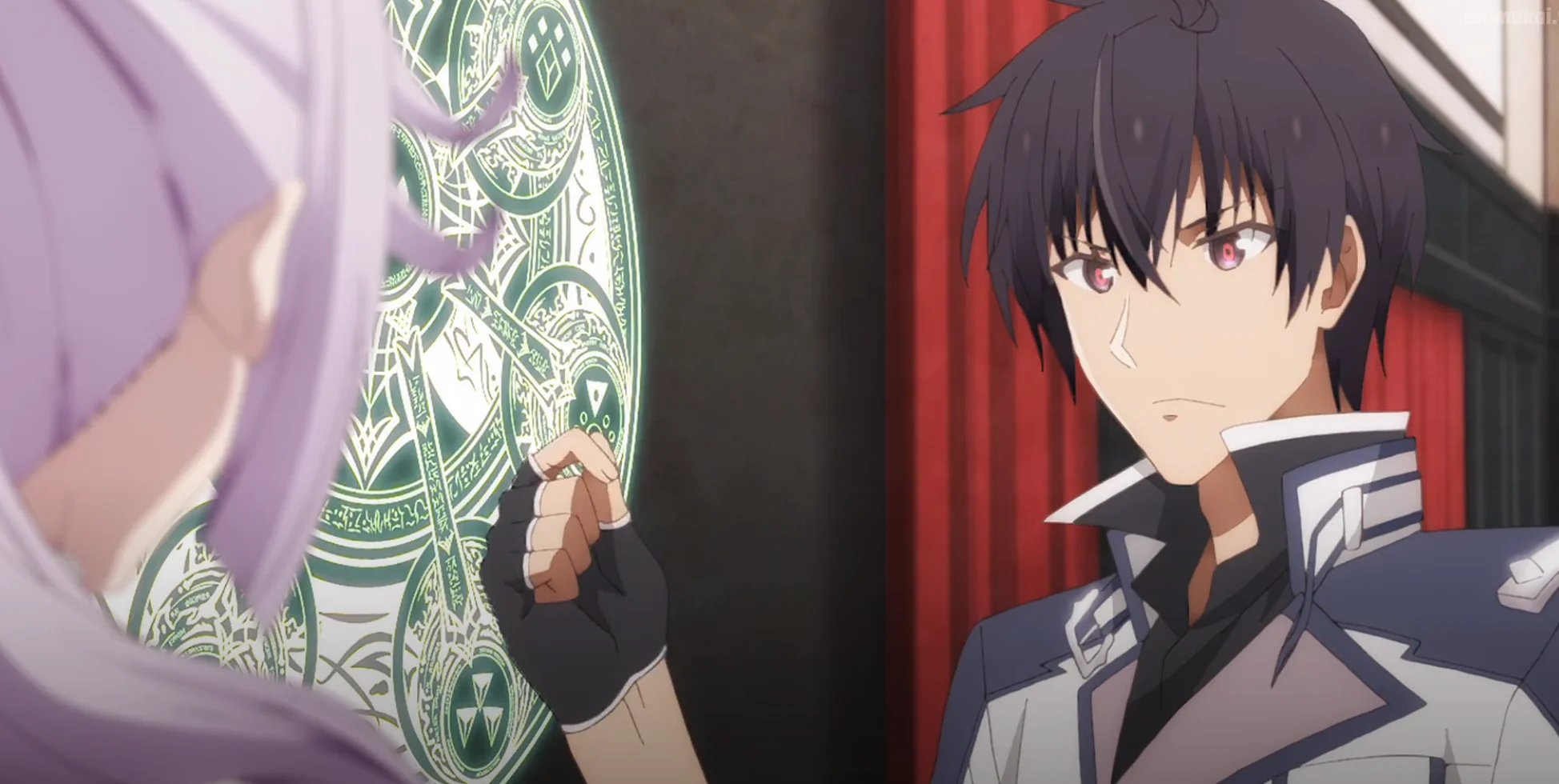
The Demon Lord Decided To Live Quietly As A Human Student
The Demon Lord Decided To Live Quietly As A Human Student
The Demon Lord Decided To Live Quietly As A Human Student – No one at the academy knew the truth.
Among hundreds of ordinary students walking through the school gates every morning, there was one who did not belong to the human world at all. He wore the same uniform, followed the same rules, and sat quietly at the back of the classroom.
Yet centuries ago, he was known as the Demon Lord.
After endless wars, broken kingdoms, and countless victories, he made a decision no one expected. He abandoned his throne, sealed most of his power, and chose to live quietly as a human student.
A Decision Born From Exhaustion
For hundreds of years, the Demon Lord ruled through fear. Armies obeyed him, monsters worshiped him, and heroes challenged him again and again. Victory was never the problem.
The emptiness afterward was.
Each conquered land felt the same. Every battle ended with silence. Power brought control, but never peace.
One night, standing alone in his dark castle, he realized something terrifying. He no longer remembered what a normal life felt like.
That was when the idea first appeared.
If humans valued their short lives so deeply, perhaps there was something worth experiencing.
Entering the Human World
Creating a human body was easy. Suppressing his aura was not.
The Demon Lord sealed his magic into a fragment hidden deep within his soul. What remained was just enough to keep himself alive, but not enough to rule anything.
Under a new name, he enrolled in a prestigious academy located near the capital. The school was famous for its strict rules and talented students, making it the perfect place to disappear.
To teachers, he was quiet but polite.
To classmates, he was distant but harmless.
No one suspected that the boy sitting beside them once commanded the armies of darkness.
The Strangeness of Ordinary Days
Human life felt unbelievably slow.
Morning bells replaced war horns. Class schedules replaced battle plans. Instead of commanding generals, he now listened to lectures about history he had personally witnessed.
The strangest part was how exhausting normal life felt.
Staying awake in class was harder than fighting heroes. Pretending not to know advanced magic theory required more discipline than casting spells.
Yet there was something comforting about routine.
For the first time in centuries, his days were predictable.
Learning to Be a Student
At first, he tried to remain invisible. He avoided clubs, declined conversations, and kept his head down.
But humans were persistent creatures.
A classmate asked him to join group work. Another invited him to eat lunch together. Slowly, his quiet life became less lonely.
He struggled with small things most students never thought about.
Why did people laugh during awkward silence?
Why did they worry so much about exams?
Why did simple praise feel strangely warm?
These emotions were unfamiliar, and that made them dangerous.
When Power Becomes a Temptation
Despite his efforts, trouble occasionally found him.
A magical anomaly near the school awakened dormant creatures from the demon realm. When students were placed in danger, his instincts screamed to act.
One spell would end everything instantly.
But revealing his power would destroy the peaceful life he worked so hard to build.
So he chose another path.
Using only traces of sealed magic, disguised as coincidence or luck, he protected others from the shadows. To humans, events seemed unexplained.
To him, restraint became his greatest battle.
Friends Who Changed Everything
As days passed, classmates stopped seeing him as the quiet transfer student.
They saw him as reliable.
Someone who listened.
Someone who never panicked.
Someone who always appeared when things went wrong.
Friendship was not forced. It formed naturally, without fear or worship.
This confused him more than any hero ever had.
No one bowed. No one trembled.
They simply trusted him.
The Meaning of Being Human
Through school festivals, exams, and late afternoon conversations, the Demon Lord began to understand something important.
Humans were weak individually, but powerful together.
They feared loss yet continued forward. They failed repeatedly but still laughed. Their lives were short, yet filled with meaning.
Power was not what made them strong.
Connection was.
For the first time, he questioned whether his past as a demon lord truly defined him.
The Shadow of the Past
Peace never lasts forever.
Rumors of a former demon ruler spread quietly through hidden realms. Loyal followers searched for him, hoping to restore his reign.
At the academy, strange magic signatures began to appear. The world he left behind was slowly catching up.
He stood at a crossroads.
Return to his throne and reclaim his power, or protect the fragile life he had grown to love.
A Quiet Resolve
One evening, as the sun set behind the school buildings, he watched students laugh on their way home.
This life was imperfect. Fragile. Temporary.
But it was real.
For the first time, he did not want to rule anything.
He only wanted tomorrow to look the same as today.
So the Demon Lord chose silence over conquest, restraint over domination, and humanity over eternity.
His battle was no longer against heroes.
It was against the past he refused to become again.
Why This Story Resonates
The strength of The Demon Lord Decided To Live Quietly As A Human Student lies in its emotional simplicity.
It is not about saving the world, but understanding it.
By blending fantasy with everyday life, the story creates a comforting rhythm that keeps readers invested. Action exists, but it never overshadows character growth.
The focus remains on choice, identity, and the quiet courage it takes to change.
Final Thoughts
This story proves that even the most powerful beings can desire peace.
Through school life, friendship, and self-discovery, the Demon Lord learns that living quietly does not mean living without purpose.
Sometimes, the greatest redemption is not earned through battle, but through choosing to live differently.
And sometimes, the strongest power is the decision not to use it.
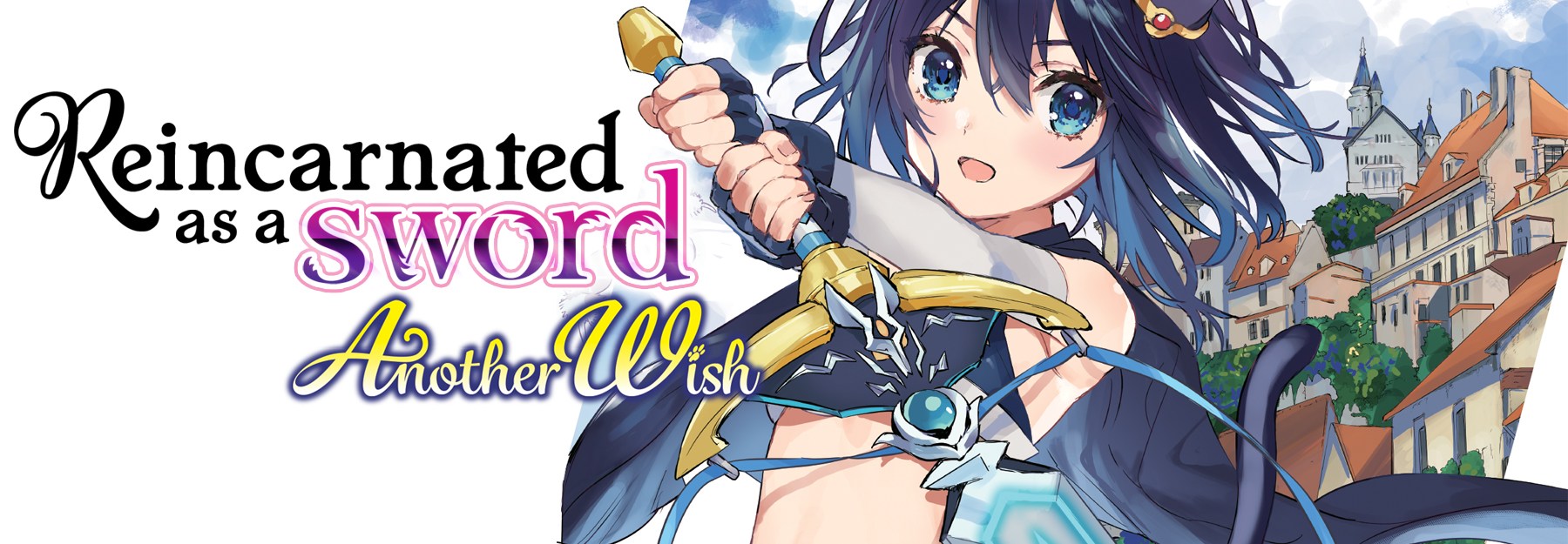
The Reincarnated Sword Saint Wants a Peaceful Life in Another
The Reincarnated Sword Saint Wants a Peaceful Life in Another World – The isekai genre has never stopped evolving. Every season brings new stories about heroes summoned to magical lands, overpowered warriors reborn with cheat skills, and former legends starting life from zero. Among these titles, “The Reincarnated Sword Saint Wants a Peaceful Life in Another World” stands out with a refreshing twist. Instead of chasing glory, fame, or conquest, this story follows a man who simply wants to live quietly—despite being one of the strongest swordsmen alive.
At its heart, this series combines classic fantasy action with slice-of-life storytelling, creating a relaxing yet engaging experience for fans of modern isekai.
A Sword Saint Given a Second Chance
Before his reincarnation, the protagonist was known as the Sword Saint, a legendary warrior whose name alone could end wars. He spent his previous life constantly fighting—training without rest, battling powerful enemies, and carrying the burden of expectations from others.
When death finally comes, he expects nothing more than darkness.
Instead, he awakens in a completely new world.
Reborn with memories of his past life intact, he quickly realizes something surprising: his sword skills, instincts, and combat mastery remain with him. Even without intense training, his movements are perfect, his reflexes flawless, and his understanding of battle far beyond ordinary humans.
Yet this time, he makes a firm decision.
He will not repeat the same life.
Choosing Peace Over Power
Most isekai protagonists immediately chase strength, titles, or political influence. This Sword Saint does the opposite. His only goal is to live peacefully—working simple jobs, avoiding attention, and enjoying a calm daily routine.
Unfortunately, being overpowered makes that nearly impossible.
Even when he tries to act like a normal adventurer, his abilities betray him. Monsters fall too easily. Bandits surrender instantly. Skilled fighters sense something unnatural about his presence.
The contrast between his desire for peace and the chaos following him becomes one of the story’s most entertaining elements.
Rather than boasting about his strength, he constantly hides it, often pretending fights were “just luck” or “accidents.”
A Fantasy World Full of Life
The world-building plays an important role in the series. The setting includes:
- Classic fantasy guilds and ranking systems
- Kingdoms struggling with political tension
- Dangerous monster zones and ancient ruins
- Magic users, beastfolk, demons, and dragons
Despite these familiar elements, the story focuses less on large-scale wars and more on everyday life within the fantasy world.
Tavern conversations, village festivals, merchant negotiations, and casual adventurer missions help create a grounded atmosphere. It feels like a world people actually live in, not just a battlefield for heroes.
Supporting Characters That Add Warmth
What truly elevates the story is its cast of supporting characters.
Throughout his journey, the Sword Saint meets companions who slowly become part of his quiet life. These include:
- A young mage fascinated by his calm personality
- An adventurer who suspects his true strength
- A noblewoman intrigued by his lack of ambition
- Former enemies who turn into allies
Instead of forming a typical power-based harem, relationships grow naturally through shared experiences and trust.
The protagonist never seeks admiration, but people are drawn to his kindness, discipline, and emotional maturity—traits shaped by his difficult former life.
Action That Feels Meaningful
Although the main theme is peace, action scenes are far from boring.
When fights happen, they are fast, precise, and impactful. The Sword Saint doesn’t rely on flashy magic or exaggerated attacks. His combat style is clean and realistic, often ending battles in a single decisive strike.
These moments highlight how terrifying true mastery can be.
Rather than long battles filled with shouting, the tension comes from restraint—watching him decide whether a situation truly requires drawing his sword.
When he does, the outcome is never in doubt.
Themes Beyond Combat
Beneath the fantasy setting, the series explores deeper themes:
1. Burnout and Second Chances
The protagonist’s previous life mirrors modern exhaustion—constant pressure, endless responsibility, and no time for happiness. His reincarnation represents the desire many people share: to start over and live life on their own terms.
2. Strength With Restraint
True power isn’t shown through domination, but through control. Knowing when not to fight becomes more important than knowing how to win.
3. Identity Beyond Titles
Despite being labeled a Sword Saint, the protagonist struggles with who he really is without that role. The story asks an important question: Who are you when no one expects anything from you?
Why Fans Love This Series
“The Reincarnated Sword Saint Wants a Peaceful Life in Another World” appeals to several types of readers:
- Isekai fans who enjoy overpowered protagonists
- Slice-of-life readers who prefer calm pacing
- Fantasy lovers looking for immersive worlds
- Mature audiences tired of noisy power fantasies
The balance between action and daily life keeps the story engaging without becoming overwhelming.
It’s not about becoming stronger—it’s about learning how to live.
Manga and Light Novel Appeal
Both the light novel and manga adaptations have gained popularity thanks to clean artwork and expressive character design. The manga especially emphasizes emotional moments through subtle facial expressions and quiet scenes.
Readers often praise:
- Smooth storytelling flow
- Strong pacing without filler arcs
- Minimal unnecessary fan service
- Consistent character development
Rather than relying on constant plot twists, the series builds attachment through atmosphere and personality.
A Calm Isekai With Heart
In a genre often dominated by gods, demon kings, and endless leveling systems, this story feels surprisingly human.
- The Sword Saint doesn’t want revenge.
He doesn’t want recognition.
He doesn’t want to rule the world.
He just wants a home, warm food, trustworthy companions, and days that end peacefully.
That simplicity is exactly what makes the story memorable.
Final Thoughts
The Reincarnated Sword Saint Wants a Peaceful Life in Another World delivers a refreshing take on the isekai formula. It proves that a powerful protagonist doesn’t need constant battles to stay interesting.
With heartfelt storytelling, balanced action, and relatable themes, the series offers something rare in modern fantasy—a sense of calm.
For readers searching for an isekai that blends strength with serenity, this story is well worth the journey.
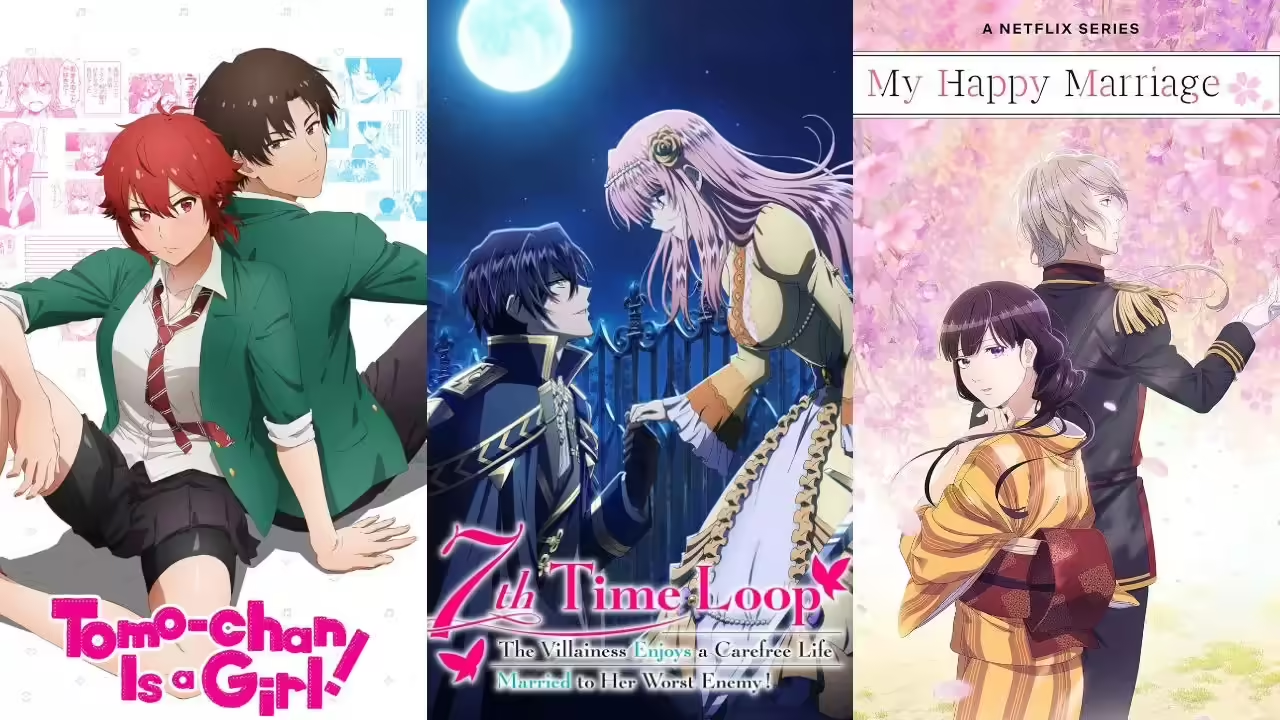
Top 10 Most Popular Romance Anime of All Time
Top 10 Most Popular Romance Anime of All Time – Romance anime has a unique way of touching the heart. Whether it’s first love, heartbreak, slow-burning relationships, or emotional reunions, this genre has produced some of the most unforgettable stories in anime history. Over the years, romance anime has evolved, but its core appeal remains the same: relatable emotions and meaningful connections.
Here’s a look at the top 10 most popular romance anime of all time, loved by fans across different generations.
Top 10 Most Popular Romance Anime of All Time
1. Clannad & Clannad: After Story
Few romance anime are as emotionally powerful as Clannad. What starts as a light high school romance slowly transforms into one of the most emotional stories ever told in anime.
Clannad: After Story focuses on adulthood, family, loss, and love in a way that feels painfully real. It’s not just about romance—it’s about life itself. Many fans consider this series a masterpiece that leaves a lasting emotional impact.
2. Your Lie in April
Your Lie in April is a beautifully crafted story about music, love, and healing. The romance unfolds naturally through shared pain and emotional growth.
The anime blends stunning visuals with a touching soundtrack, making every moment feel meaningful. Its emotional depth and unforgettable ending have cemented its place as one of the most beloved romance anime ever created.
3. Toradora!
When it comes to romantic comedy, Toradora! stands at the top. The story focuses on two unlikely friends who help each other pursue their crushes—only to slowly realize their true feelings.
The characters feel real, flawed, and emotionally complex. Toradora balances humor and heartfelt moments perfectly, making it a favorite among romance anime fans worldwide.
4. Your Name (Kimi no Na wa)
Your Name took the world by storm and introduced anime romance to a global audience. The film tells a unique love story involving body-swapping, fate, and time.
Its breathtaking animation and emotional storytelling make it unforgettable. Even viewers who aren’t regular anime fans often rank Your Name as one of the best romance stories they’ve ever experienced.
5. Fruits Basket
Fruits Basket is a perfect blend of romance, drama, and emotional healing. The story centers around Tohru Honda and the mysterious Soma family, who carry a supernatural curse.
The romance develops slowly and naturally, focusing on emotional growth rather than instant love. Fruits Basket is deeply touching and explores themes of acceptance, trauma, and genuine affection.
6. Nana
Unlike typical romance anime, Nana presents a more mature and realistic look at relationships. The series follows two young women named Nana as they navigate love, careers, and heartbreak in Tokyo.
The romance in Nana feels raw and authentic, showing both the beauty and pain of love. Its realistic approach makes it especially popular with older audiences.
7. Horimiya
Horimiya is a modern romance anime that quickly gained massive popularity. It focuses on everyday moments, quiet emotions, and the simple joy of being understood by someone.
The relationship between Hori and Miyamura develops naturally, without unnecessary drama. This refreshing approach makes Horimiya feel warm, relatable, and emotionally satisfying.
8. Kaguya-sama: Love Is War
Romance meets psychological comedy in Kaguya-sama: Love Is War. Two smart and stubborn characters refuse to confess their feelings, turning love into a battle of wits.
The anime is fast-paced, clever, and endlessly entertaining. Beneath the comedy lies a surprisingly deep and emotional romance that keeps viewers invested season after season.
9. Violet Evergarden
Violet Evergarden is not a traditional romance anime, but its emotional storytelling and exploration of love make it unforgettable. The series follows Violet as she learns to understand human emotions after war.
Every episode feels like a heartfelt letter, filled with emotional depth and beautiful animation. The romance is subtle, but powerful, making it one of the most touching anime experiences of all time.
10. Love, Chunibyo & Other Delusions!
This anime explores romance through awkwardness, imagination, and emotional vulnerability. Love, Chunibyo & Other Delusions! tells a sweet story about growing up and accepting reality.
Its gentle humor and emotional moments make it a favorite for fans who enjoy lighthearted romance mixed with sincere feelings.
Why Romance Anime Remains Timeless
Romance anime continues to thrive because love is universal. No matter the setting—school, fantasy world, or real-life city—the emotions remain relatable.
These stories remind viewers of first love, missed chances, and emotional growth. That emotional connection is what keeps romance anime popular across generations.
Final Thoughts
The romance anime genre has given fans countless unforgettable moments. From emotional heartbreak to heartwarming confessions, these series have shaped anime culture in powerful ways.
Whether you’re new to romance anime or revisiting old favorites, these titles represent the very best the genre has to offer—and they continue to inspire fans around the world.
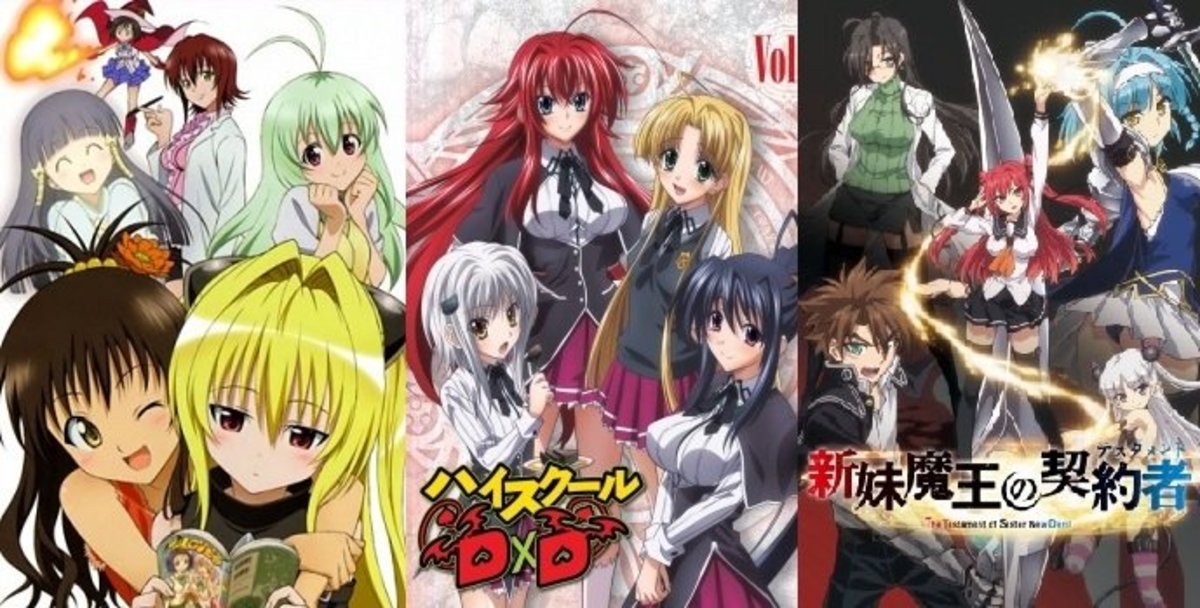
Top 10 Ecchi Anime That Every Fan Must Watch
Top 10 Ecchi Anime That Every Fan Must Watch – Ecchi anime has always had a special place in anime culture. It’s playful, over-the-top, and often mixed with comedy, romance, or even action. For many fans, ecchi isn’t just about fanservice—it’s about humor, exaggerated situations, and characters that keep the story entertaining from start to finish.
If you’re curious about the genre or just looking for something fun to binge, here’s a list of top ecchi anime that every fan should check out at least once.
Top 10 Ecchi Anime That Every Fan Must Watch
1. Golden Boy
When people talk about classic ecchi anime, Golden Boy almost always comes up. This old-school gem follows Kintaro Oe, a grown man who travels around Japan taking part-time jobs while learning about life.
The ecchi elements are mixed perfectly with comedy and surprisingly good life lessons. It’s funny, awkward, and oddly inspiring at the same time. Despite its age, Golden Boy still feels fresh and entertaining today.
2. Uzaki-chan Wants to Hang Out!
This anime proves that ecchi doesn’t need to be extreme to be fun. Uzaki-chan Wants to Hang Out! focuses on college life, awkward friendships, and playful teasing.
Uzaki’s energetic personality clashes hilariously with Sakurai’s quiet nature. The fanservice is light, the jokes are relatable, and the chemistry between characters keeps the story enjoyable without going too far.
3. Rent-A-Girlfriend
Rent-A-Girlfriend blends romance, drama, and ecchi moments into one chaotic but addictive series. The story revolves around Kazuya, a struggling college student who uses a rental girlfriend service after a breakup.
The ecchi moments mostly come from misunderstandings, awkward situations, and emotional tension rather than anything explicit. It’s messy, frustrating, but strangely hard to stop watching.
4. New Game!
If you like slice-of-life anime with a touch of fanservice, New Game! is a great choice. The series follows young adult women working at a video game company, balancing deadlines, creativity, and friendships.
The ecchi elements are subtle and playful, while the main focus stays on workplace comedy and character growth. It’s relaxing, fun, and perfect for casual viewing.
5. The Devil Is a Part-Timer!
This anime takes a unique approach by mixing fantasy, comedy, and light ecchi moments. The Devil Is a Part-Timer! follows a demon lord who ends up working at a fast-food restaurant in modern Japan.
The humor comes from culture shock and everyday struggles, while the fanservice stays mild and comedic. It’s a great example of how ecchi can exist without overpowering the story.
6. Monster Musume: Everyday Life with Monster Girls
For fans of fantasy ecchi, Monster Musume offers something different. The anime focuses on mythical beings living alongside humans, leading to awkward but humorous situations.
The ecchi aspect is obvious, but the series also leans heavily on comedy and world-building. Each character has a distinct personality, making it more than just surface-level fanservice.
7. High School of the Dead
High School of the Dead is often remembered for its intense action mixed with exaggerated ecchi moments. Zombies, survival, and dramatic slow-motion scenes define the series.
While the fanservice is noticeable, it’s paired with fast-paced action and suspense. If you enjoy action anime with a bold style, this one is hard to forget.
8. No Game No Life
This visually stunning anime combines gaming, fantasy, and light ecchi humor. No Game No Life follows two genius siblings who dominate games in a colorful fantasy world.
The ecchi moments are mostly comedic and exaggerated, matching the anime’s playful tone. Add clever mind games and bright visuals, and you get a very memorable experience.
9. Konosuba: God’s Blessing on This Wonderful World!
Konosuba is proof that ecchi works best when paired with strong comedy. The series parodies the isekai genre, featuring dysfunctional characters and constant chaos.
Rather than relying on fanservice alone, Konosuba uses awkward situations, personality clashes, and absurd humor. It’s lighthearted, funny, and perfect for fans who want laughs over seriousness.
10. Prison School
Rounding out the list is Prison School, an anime known for pushing boundaries while staying hilariously absurd. The story revolves around strict rules, over-the-top punishment, and exaggerated reactions.
Despite its bold style, Prison School is surprisingly smart in its humor. The ecchi elements are exaggerated for comedy, making it more satirical than serious.
Why Ecchi Anime Remains Popular
Ecchi anime continues to thrive because it doesn’t take itself too seriously. It’s meant to entertain, surprise, and sometimes make viewers laugh at how ridiculous situations can get.
For many fans, ecchi is less about shock value and more about fun storytelling, memorable characters, and a break from heavy or dramatic plots.
Final Thoughts
Whether you’re new to ecchi anime or a long-time fan, these titles show how diverse the genre can be. From classic comedy to modern slice-of-life and fantasy adventures, ecchi anime offers something for everyone.
As long as it’s enjoyed responsibly, ecchi remains one of the most entertaining corners of anime culture—and these shows are a great place to start.
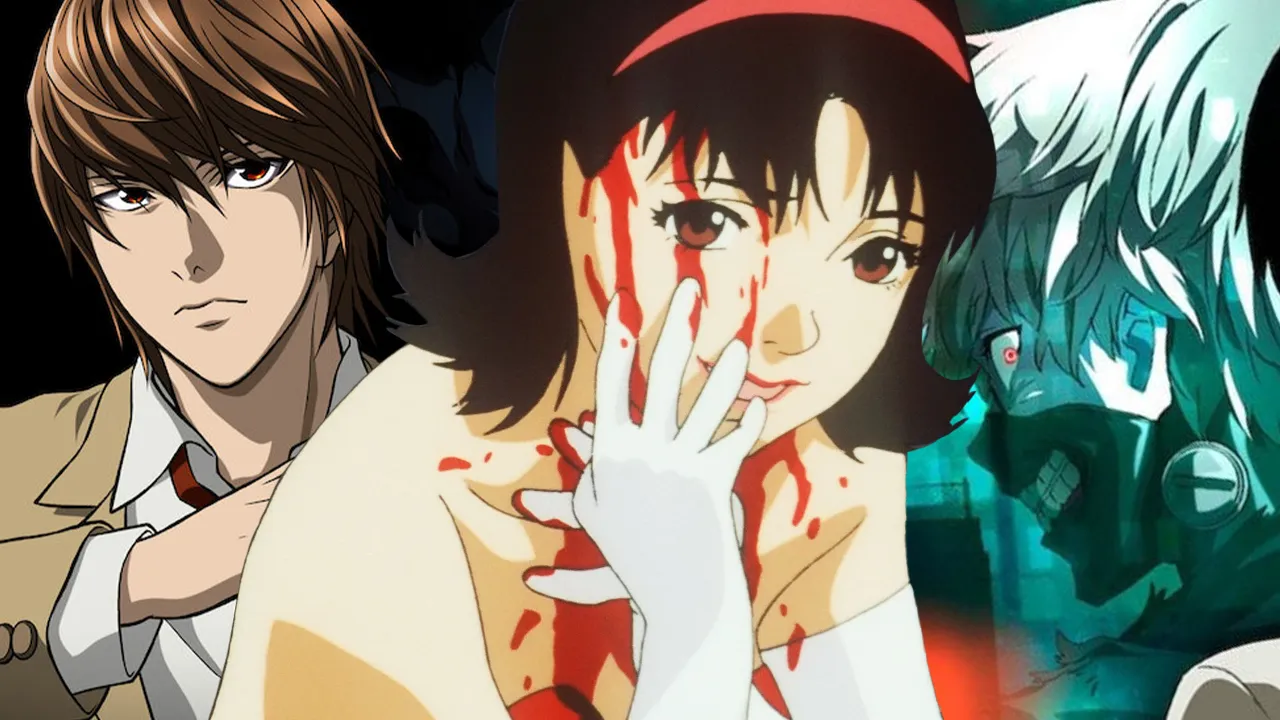
10 Horror Anime That Create Fear Beyond Jump Scares
10 Horror Anime That Create Fear Beyond Jump Scares – Horror anime offers a different kind of fear compared to movies or games. Instead of relying on loud sounds and sudden shocks, anime horror often builds tension slowly through atmosphere, disturbing themes, and psychological pressure. Many of these stories stay in the viewer’s mind long after the screen goes dark.
Below are 10 anime focused on horror that successfully deliver fear through storytelling, visuals, and emotional impact.
1. Another
Another is one of the most well-known horror anime, and for good reason. The story revolves around a cursed classroom where students and teachers die in gruesome, unexplained accidents.
What makes the anime disturbing is its calm tone. Death arrives suddenly and brutally, without warning. The mystery surrounding the curse keeps the tension high until the very end.
2. Shiki
Shiki takes place in a quiet rural village slowly consumed by unexplained deaths. At first, the story feels slow and peaceful, but the horror gradually creeps in.
The anime explores moral horror rather than simple scares. As the truth about the deaths is revealed, viewers are forced to question who the real monsters are. The ending is deeply unsettling and emotionally heavy.
3. Higurashi When They Cry
At a glance, Higurashi looks cute and harmless. That illusion quickly shatters as paranoia, violence, and madness take over the story.
The horror lies in unpredictability. Characters snap without warning, friendships collapse, and brutal scenes appear suddenly. The psychological tension makes this anime extremely uncomfortable to watch—in the best way possible.
4. Paranoia Agent
Paranoia Agent is a psychological horror anime that focuses on fear as a social disease. A mysterious attacker known as “Lil’ Slugger” spreads panic across the city.
Instead of gore, the anime relies on mental breakdowns and distorted reality. Each episode dives into a different character’s fear, creating an atmosphere of constant unease and confusion.
5. Tokyo Ghoul
While often labeled as action or dark fantasy, Tokyo Ghoul contains strong horror elements. The fear of losing one’s humanity is central to the story.
Kaneki’s transformation and identity crisis are filled with disturbing imagery and emotional pain. The horror is not just physical violence, but the slow mental collapse of the main character.
6. Mononoke
Mononoke stands out due to its unique art style and psychological storytelling. Each arc focuses on a spirit born from human suffering, guilt, or regret.
The anime’s slow pacing and eerie visuals create constant tension. Horror here is subtle, rooted in emotions rather than monsters alone.
7. Corpse Party: Tortured Souls
This anime is not for the faint of heart. Corpse Party is filled with graphic violence, disturbing deaths, and intense fear.
The setting—a haunted school trapped outside reality—creates a claustrophobic atmosphere. Characters die brutally, often without hope or escape. The horror is relentless and unforgiving.
8. Perfect Blue
Perfect Blue is a psychological horror film that blurs the line between reality and illusion. The story follows an idol whose sense of identity slowly fractures.
The fear comes from mental instability and obsession. Viewers experience confusion alongside the protagonist, making the horror deeply personal and disturbing.
9. Devilman Crybaby
This anime presents a violent and emotional form of horror. Demons, brutality, and social collapse form the backbone of the story.
The true horror lies in humanity itself. Fear, hatred, and paranoia turn people into monsters. The ending is devastating, leaving viewers emotionally drained.
10. Yamishibai: Japanese Ghost Stories
Yamishibai uses short episodes to deliver traditional Japanese ghost stories. Its simple animation style enhances the unsettling atmosphere.
Each story is brief but effective, relying on folklore and sudden endings. The minimalistic approach makes the horror feel personal and intimate.
Why Horror Anime Feels So Effective
Horror anime excels at psychological tension. Instead of relying solely on visual shock, it uses:
- Silence and slow pacing
- Distorted emotions and paranoia
- Moral dilemmas and human fear
This creates a deeper, longer-lasting sense of unease compared to standard horror.
Final Thoughts
Horror anime is not always easy to watch, but that discomfort is what makes it powerful. The anime listed above prove that fear can come from atmosphere, storytelling, and emotional conflict—not just monsters and blood.
For viewers seeking anime that lingers in the mind and challenges comfort, these horror titles deliver an unforgettable experience.
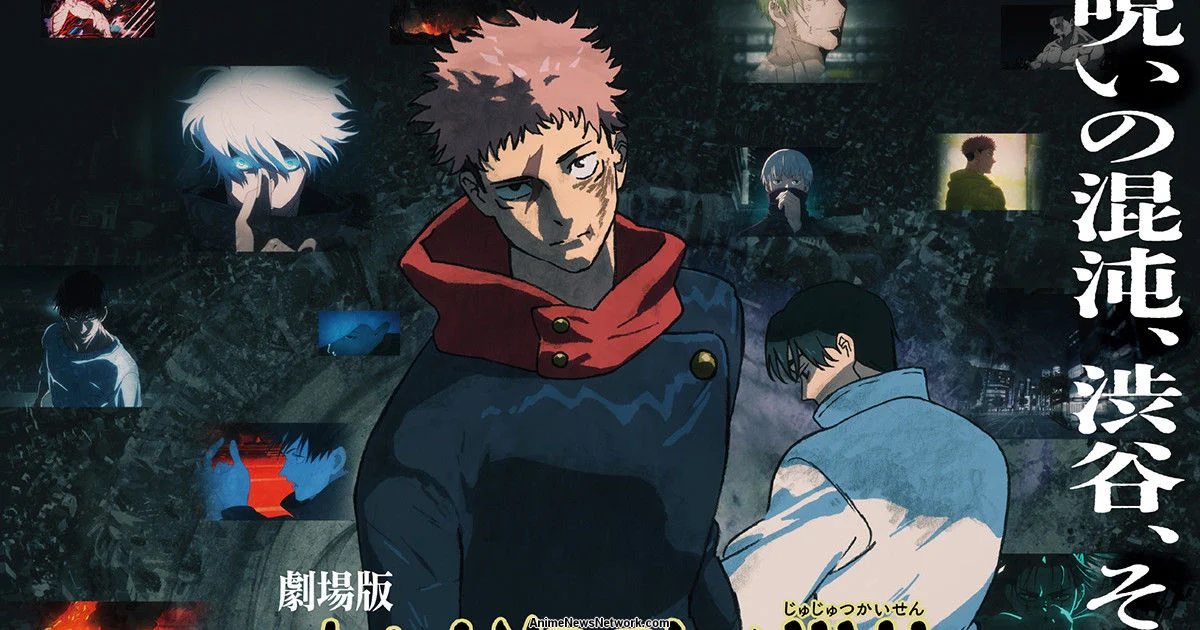
Jujutsu Kaisen Season 3: What Fans Can Expect From the Next
Jujutsu Kaisen Season 3: What Fans Can Expect From the Next Big Arc – Jujutsu Kaisen has become one of the most talked-about anime series of the past few years. With its intense battles, dark themes, and unforgettable characters, the series has built a massive global fanbase. After the explosive events of Season 2, fans are now eagerly waiting for Jujutsu Kaisen Season 3. The big question is simple: what comes next?
Season 3 is expected to adapt one of the most important arcs in the manga, pushing the story into an even darker and more emotional direction. If you thought the Shibuya Incident was shocking, the upcoming season will raise the stakes even higher.
A Quick Recap of Season 2’s Impact
Before diving into Season 3, it’s impossible to ignore how impactful Season 2 was. The Shibuya Incident Arc completely changed the world of Jujutsu Kaisen. Major characters were lost, alliances were broken, and the balance between sorcerers and curses shifted dramatically.
Yuji Itadori faced overwhelming guilt and emotional pressure, while characters like Gojo Satoru were removed from the battlefield, leaving chaos behind. By the end of Season 2, the jujutsu world was no longer stable. This unstable situation sets the perfect foundation for Season 3.
Which Arc Will Season 3 Cover?
Jujutsu Kaisen Season 3 is widely expected to adapt the Culling Game Arc, one of the longest and most complex arcs in the manga. This arc focuses on large-scale battles, new rules, and a deadly game designed to force sorcerers into constant conflict.
The Culling Game is not just about fighting. It introduces strategy, moral dilemmas, and power growth. Every decision matters, and every mistake can be fatal. This arc also expands the world of jujutsu beyond what we’ve seen so far.
Yuji Itadori’s Character Development
Yuji Itadori has always been at the heart of the story, but Season 3 is where his character truly matures. No longer just a kind-hearted student dragged into a cursed world, Yuji becomes more determined and more serious.
The emotional weight from previous events continues to haunt him. Instead of running away, Yuji begins to accept responsibility for his actions and his connection to Sukuna. Season 3 will show a more focused, battle-hardened Yuji who understands the brutal reality of being a jujutsu sorcerer.
The Rise of New and Powerful Characters
One of the most exciting aspects of Jujutsu Kaisen Season 3 is the introduction of new characters. The Culling Game Arc brings in many powerful sorcerers, each with unique cursed techniques and motivations.
These new characters add fresh energy to the series. Some will become fan favorites, while others will leave a strong impression through their sheer brutality. The variety of fighting styles ensures that battles never feel repetitive.
At the same time, familiar characters like Megumi Fushiguro, Yuta Okkotsu, and Maki Zenin will receive significant development. Their roles in Season 3 are crucial, and each of them faces challenges that push their abilities to the limit.
Megumi Fushiguro’s Important Role
Megumi Fushiguro is expected to play a major role in Season 3. His growth as a sorcerer and his connection to powerful techniques make him a central figure in the upcoming arc.
Season 3 explores Megumi’s mindset, his willingness to take risks, and the darker side of his potential. Fans who have been waiting to see Megumi step into the spotlight will not be disappointed.
Darker Themes and Higher Stakes
Jujutsu Kaisen has never been a lighthearted series, but Season 3 is expected to lean even more into darker themes. Survival, sacrifice, and moral ambiguity are at the core of the story.
The Culling Game forces characters to make difficult choices. Some fight to protect others, while some fight purely to survive. This moral complexity adds depth to the narrative and makes every battle feel meaningful.
Unlike traditional tournament arcs, the Culling Game has real consequences. Characters can die at any moment, and victory often comes at a heavy cost.
Animation and Visual Expectations
Based on previous seasons, expectations for animation quality are extremely high. MAPPA has consistently delivered top-tier visuals, fluid fight scenes, and impactful choreography.
Season 3 is expected to continue this trend, especially with the large-scale battles and complex cursed techniques featured in the arc. Fans can expect intense action sequences, detailed character expressions, and visually stunning domain expansions.
If MAPPA maintains the same level of care, Season 3 could easily become the most visually impressive season so far.
Why Season 3 Could Be the Best One Yet
Jujutsu Kaisen Season 3 has all the ingredients to become the best season of the series. The story is deeper, the characters are more developed, and the stakes are higher than ever.
The combination of emotional storytelling, strategic battles, and shocking twists makes this arc stand out. For manga readers, Season 3 is highly anticipated because of how much it changes the overall direction of the series.
For anime-only fans, this season will feel like entering a new phase of Jujutsu Kaisen—one where nothing is guaranteed, and every fight could be the last.
Final Thoughts
Jujutsu Kaisen Season 3 is shaping up to be a turning point for the series. With the Culling Game Arc, the story moves beyond simple good-versus-evil battles and dives into a complex, unforgiving world where strength and resolve are constantly tested.
Fans can look forward to intense action, emotional moments, and major character growth. If you enjoyed the chaos and drama of Season 2, Season 3 will push those elements even further.
As anticipation continues to build, one thing is certain: Jujutsu Kaisen Season 3 will not hold back.
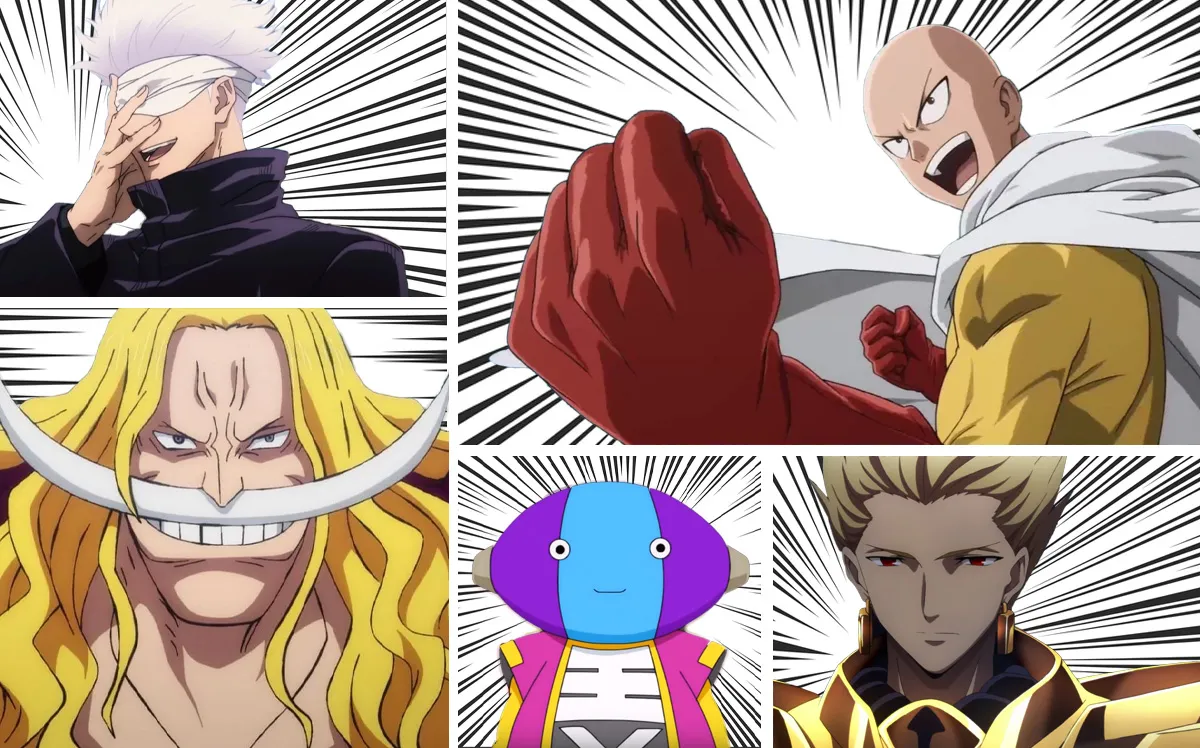
10 Overpowered Anime Characters That Completely Dominate
10 Overpowered Anime Characters That Completely Dominate Their Worlds – Overpowered characters have always had a special place in anime culture. While some stories focus on struggle and slow growth, others choose to showcase characters who are already far beyond normal limits. These overpowered protagonists don’t just win fights — they rewrite the rules of their worlds.
What makes overpowered anime so enjoyable is not just strength, but how that power affects the story, the enemies, and the people around them.
Below are 10 anime featuring truly overpowered characters who stand on a completely different level.
1. One Punch Man (Saitama)
Saitama is the definition of overpowered. He defeats every enemy with a single punch, no matter how terrifying or godlike they appear. Unlike typical shonen heroes, his struggle isn’t about becoming stronger, but about boredom and lack of purpose.
What makes One Punch Man unique is how it uses overpowered strength as satire. While the world treats monsters as apocalyptic threats, Saitama ends them effortlessly, often without recognition or praise.
2. Overlord (Ainz Ooal Gown)
Ainz Ooal Gown enters a fantasy world already at max level, equipped with legendary items and absolute authority. His magical power is overwhelming, capable of wiping out armies alone.
Unlike heroic protagonists, Ainz operates with cold logic. His dominance isn’t flashy — it’s terrifying. Overlord shows what happens when an overpowered character has no moral limitations.
3. That Time I Got Reincarnated as a Slime (Rimuru Tempest)
Rimuru starts as a simple slime, but quickly evolves into one of the strongest beings in his world. Through skill absorption and rapid growth, he becomes nearly untouchable.
What sets Rimuru apart is balance. Despite being overpowered, he remains diplomatic, intelligent, and compassionate. His power is used to build nations, not just destroy enemies.
4. Dragon Ball Z (Goku)
Goku is one of the most iconic overpowered characters in anime history. While he constantly trains and improves, the gap between him and normal fighters is astronomical.
Planet-destroying enemies, gods of destruction, and universe-level threats all fall within his reach. Goku’s strength defines entire power scales and reshapes the anime battle genre itself.
5. The Misfit of Demon King Academy (Anos Voldigoad)
Anos Voldigoad reincarnates as the Demon King, but his power remains absurdly high. He can destroy opponents with a heartbeat, revive himself effortlessly, and ignore magical laws.
The anime embraces exaggeration. Anos doesn’t struggle — he dominates. Watching enemies realize how insignificant they are compared to him is part of the appeal.
6. Mob Psycho 100 (Shigeo Kageyama)
Mob may look like an ordinary, awkward teenager, but his psychic abilities are overwhelming. When his emotions reach their limit, his power explodes beyond control.
Unlike typical power fantasies, Mob Psycho 100 focuses on emotional growth. Mob’s strength is terrifying, yet the story emphasizes self-control, kindness, and personal development over brute force.
7. Sword Art Online (Kirito)
Kirito quickly establishes himself as one of the strongest players in every virtual world he enters. His reflexes, skill mastery, and rare abilities make him nearly unbeatable.
While often debated, there’s no denying Kirito’s overpowered presence. His ability to solo bosses and survive impossible situations places him far above the average character.
8. The Daily Life of the Immortal King (Wang Ling)
Wang Ling possesses power so immense that it threatens reality itself. To live a normal life, he suppresses his abilities using talismans and seals.
The anime blends comedy with overwhelming power. Every time Wang Ling loses control, the consequences are catastrophic. His strength is not just physical — it bends time, space, and existence.
9. Naruto Shippuden (Naruto Uzumaki – Late Series)
Naruto’s journey begins with struggle, but by the end of Shippuden, he becomes an unstoppable force. With Six Paths power and Kurama fully synchronized, Naruto operates on a godlike level.
His speed, chakra reserves, and healing abilities make him nearly invincible. Naruto’s overpowered status feels earned through emotional growth and sacrifice.
10. The Eminence in Shadow (Cid Kagenou)
Cid pretends to be a background character, but secretly trains to become absurdly powerful. His abilities far exceed everyone else in the world, yet he treats everything like a performance.
What makes this anime fun is self-awareness. Cid’s overpowered nature fuels misunderstandings, accidental victories, and dramatic moments he believes are purely fictional.
Why Overpowered Anime Never Gets Old
Overpowered anime offers a different kind of satisfaction. Instead of tension from uncertainty, the enjoyment comes from anticipation — waiting to see how effortlessly the protagonist will win.
These stories often focus on:
- World reactions to overwhelming power
- Psychological impact on enemies
- Creative ways power is displayed
Rather than asking if the hero will win, viewers ask how badly the opponent will lose.
Final Thoughts
Overpowered characters challenge traditional storytelling by removing physical limits. When done right, this creates memorable anime filled with confidence, spectacle, and dominance.
From comedy to dark fantasy, overpowered anime continues to evolve while maintaining its core appeal. These characters don’t just fight — they control the narrative itself.
If you enjoy watching characters who stand above all others, these anime are impossible to ignore.
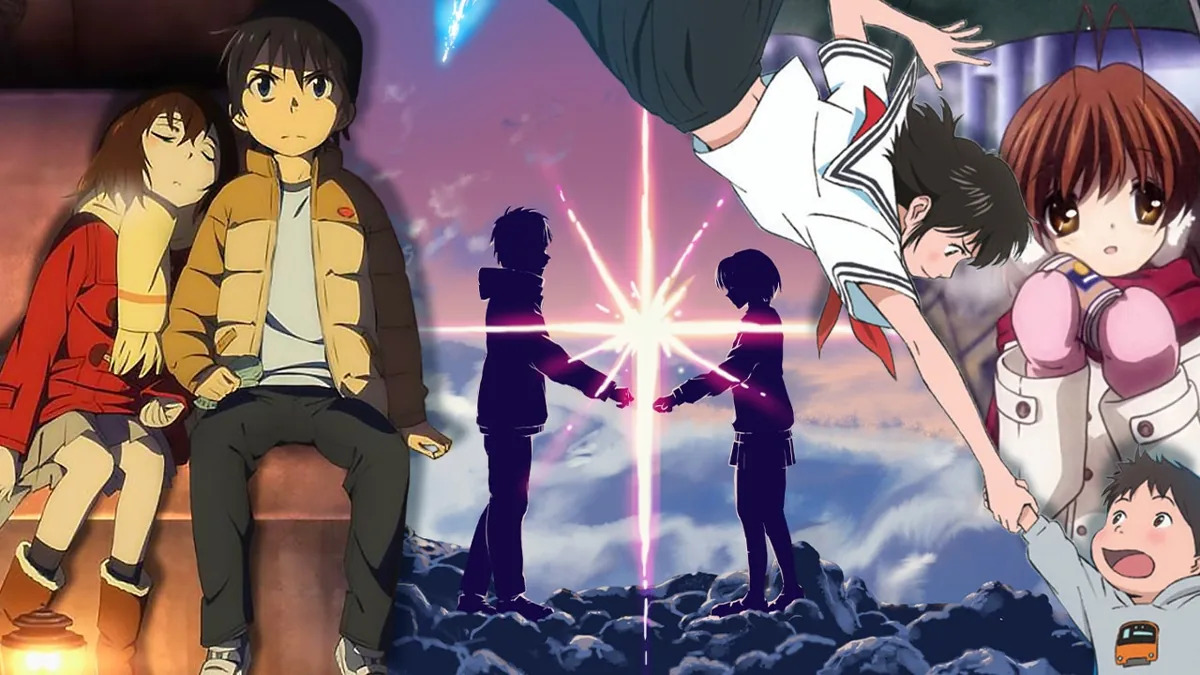
10 Anime with Sad Endings That Leave a Deep Emotional Scar
10 Anime with Sad Endings That Leave a Deep Emotional Scar – Not every anime ends with smiles, victories, or happy reunions. Some stories choose a more painful path, delivering endings that feel heavy, quiet, and deeply emotional. These sad endings often stay with viewers longer because they reflect real life—loss, regret, and love that never fully reaches its destination.
Below are 10 anime with sad endings that are known for leaving audiences silent long after the final episode ends.
1. Your Lie in April
From the beginning, Your Lie in April feels emotional, but its ending hits with unexpected force. The relationship between Kousei Arima and Kaori Miyazono is built through music, warmth, and hope.
When the truth is finally revealed, the story turns heartbreaking. Kaori’s final letter becomes one of the most emotional moments in anime history. It is not just about romance, but about living bravely even when time is limited.
2. Clannad: After Story
Clannad: After Story moves far beyond typical school drama. It explores adulthood, family responsibilities, and the pain of losing what matters most.
The ending delivers emotional damage that few anime can match. Even though the final moments offer a sense of hope, the suffering Tomoya experiences leaves a lasting impression. This anime proves that love and happiness can be fragile.
3. Angel Beats!
Behind its comedy and action, Angel Beats! hides deeply tragic stories. Each character carries unresolved pain from their past life, slowly revealed throughout the series.
The ending focuses on acceptance and letting go. The farewell between Otonashi and Kanade is quiet but devastating. The emotional weight of their final moments makes this anime unforgettable.
4. Grave of the Fireflies
This film is a pure tragedy from start to finish. Grave of the Fireflies shows the harsh reality of war through the eyes of two siblings struggling to survive.
There is no dramatic twist or last-minute miracle. The ending is cold, silent, and brutally realistic. It leaves viewers emotionally exhausted and reflective long after the film ends.
5. Plastic Memories
Plastic Memories introduces its emotional direction early, yet it still manages to hurt deeply by the end. The bond between Tsukasa and Isla grows naturally, filled with gentle moments and quiet happiness.
The ending is calm, not loud or dramatic, which makes it even more painful. Knowing what is coming does not lessen the impact. Instead, it makes every moment feel more precious and heartbreaking.
6. I Want to Eat Your Pancreas
Despite its unusual title, this anime tells a sincere and emotional story about human connection. The relationship between the two main characters develops in a realistic and honest way.
The sad ending arrives suddenly, without warning. There is no exaggerated drama, just a quiet sense of loss. That simplicity makes the final moments incredibly powerful.
7. Anohana: The Flower We Saw That Day
Anohana focuses on childhood friendship, guilt, and unresolved emotions. The characters are haunted by a past tragedy they cannot escape.
The ending brings everything to the surface. Tears, confessions, and emotional release come together in one unforgettable farewell. Many viewers consider it one of the most emotional anime endings ever made.
8. Tokyo Ghoul (Season One)
While the story continues in later seasons, the ending of Tokyo Ghoul’s first season is undeniably tragic. Kaneki’s transformation is not heroic—it is painful and destructive.
The final scenes show a broken character who has lost his identity. The sadness comes not from death, but from mental collapse and hopelessness.
9. Banana Fish
Banana Fish tells a dark and emotional story filled with violence, trauma, and emotional bonds. The connection between Ash and Eiji provides rare warmth in an otherwise cruel world.
The ending is quiet, sudden, and devastating. There is no dramatic music to guide emotions—only silence and loss. This makes the final scene even more haunting.
10. Akame ga Kill!
Unlike most anime, Akame ga Kill! does not protect its characters. One by one, beloved characters fall, destroying any sense of safety for the viewer.
The ending offers no true victory. Even though the main conflict ends, the losses are too great to celebrate. It is a harsh reminder that some battles are won at an unbearable cost.
Why Sad Anime Endings Feel So Powerful
Anime with sad endings often feel more realistic. Real life does not always provide closure or happiness, and these stories reflect that truth. Instead of comfort, they offer emotional honesty.
That honesty is what makes these anime unforgettable. They stay in the viewer’s mind, not because they were happy, but because they felt real.
Final Thoughts
A sad ending does not make an anime bad. In many cases, it makes the story stronger and more meaningful. The anime on this list prove that emotional pain, when told honestly, can create some of the most memorable experiences in the medium.
If you are looking for anime that truly touches the heart, these sad endings are impossible to forget.
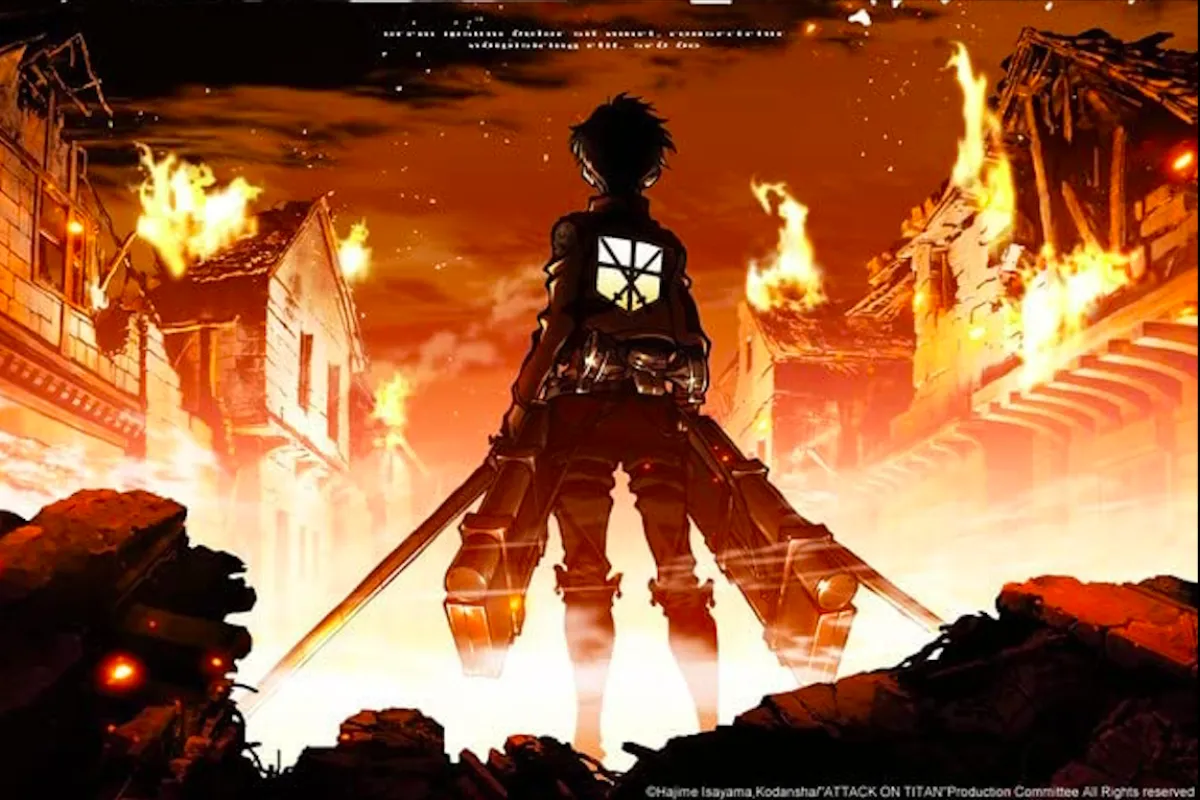
Attack on Titan Story Summary by Season: From Survival to Truth
Attack on Titan Story Summary by Season: From Survival to Truth – Attack on Titan is one of the most influential anime series of all time. Created by Hajime Isayama, the story combines action, mystery, and deep philosophical themes about freedom, war, and humanity. Below is a complete season-by-season summary of Attack on Titan, written clearly for both new viewers and long-time fans.
Season 1: Humanity Behind the Walls
Attack on Titan Season 1 introduces a world where humanity lives behind massive walls to protect themselves from giant humanoid creatures known as Titans. The story follows Eren Yeager, a young boy who dreams of freedom beyond the walls.
Everything changes when the Colossal Titan and Armored Titan breach Wall Maria, allowing Titans to invade Eren’s hometown. His mother is killed in front of him, igniting his hatred toward Titans and his desire to destroy them all.
Eren joins the Scout Regiment along with Mikasa Ackerman and Armin Arlert. During a brutal battle, Eren is seemingly killed but later reappears with a shocking ability: he can transform into a Titan himself. This revelation becomes a turning point for humanity.
Season 1 focuses on survival, fear, and mystery. The biggest question raised is simple yet powerful: What are Titans, and why do they exist?
Season 2: Titans Among Humans
Season 2 shifts the tone from pure survival to suspicion and betrayal. New threats appear as Titans are discovered inside the walls themselves, suggesting that humanity’s safe zone is not as secure as believed.
The biggest revelation of this season is that Reiner Braun and Bertholdt Hoover, two trusted soldiers, are actually the Armored Titan and Colossal Titan. Their betrayal shocks both characters and viewers.
Another major mystery unfolds around Ymir, who can also transform into a Titan. Her backstory hints at a larger world beyond the walls.
Season 2 explores identity, loyalty, and hidden enemies. It becomes clear that the real danger is not just Titans, but humans with secrets and agendas.
Season 3 Part 1: The Truth About the Government
Season 3 takes a political turn. Instead of fighting Titans, the Scouts are now hunted by their own government. The Royal Government is exposed as corrupt, manipulating history and controlling the population through lies.
This arc reveals the importance of Historia Reiss, the true royal heir. With help from Levi Ackerman, the Scouts overthrow the false king and place Historia on the throne.
Meanwhile, Eren begins to understand more about his Titan powers, including the ability to harden his body.
Season 3 Part 1 focuses on truth, power, and freedom. It shows that oppression can exist even without Titans.
Season 3 Part 2: The Basement and the World Beyond
The second half of Season 3 is one of the most important arcs in Attack on Titan. The Scouts launch a mission to retake Shiganshina District and uncover the secret hidden in Eren’s basement.
The battle is devastating. Many soldiers die, including Commander Erwin Smith, who sacrifices himself so Levi can defeat the Beast Titan.
At last, the basement is opened. Inside, they find photographs and journals revealing a shocking truth: the world beyond the walls exists, and humanity inside the walls is not the last of its kind.
Eren and his people are revealed to be Eldians, hated by the outside world. Titans are not monsters by nature, but humans transformed as punishment.
This season completely changes the perspective of the story.
The Final Season Part 1: Marley and a New Enemy
The Final Season begins by shifting focus to Marley, a powerful nation across the sea. Here, Eldians are treated as second-class citizens and forced to become warriors.
Eren returns, now older and emotionally distant. He attacks Marley, killing civilians and declaring war on the world.
Former allies struggle to understand Eren’s actions. The line between hero and villain begins to blur.
This part explores themes of revenge, propaganda, and the cycle of hatred. Viewers are forced to question who the real enemy is.
The Final Season Part 2: The Rumbling Begins
In Part 2, Eren fully commits to his plan known as The Rumbling, unleashing countless Colossal Titans to destroy the world outside the walls.
Eren believes this is the only way to secure freedom for his people. However, his former friends—Mikasa, Armin, Levi, and others—choose to oppose him.
This season is emotionally intense, focusing on moral dilemmas and tragic choices. There are no clear heroes or villains anymore, only survivors making impossible decisions.
Final Chapters: The End of Attack on Titan
In the concluding episodes, the alliance confronts Eren in a final battle. The story reaches its emotional peak as the true meaning of freedom, sacrifice, and love is revealed.
Without giving heavy spoilers, the ending emphasizes consequences. Every choice has a cost, and true freedom is never simple.
Attack on Titan ends not as a story of victory, but as a reflection on humanity itself.
Conclusion
Attack on Titan is more than an action anime. It is a layered story about fear, freedom, and the repeating cycle of war. From fighting Titans to fighting ideology, each season builds upon the last, creating one of the most unforgettable narratives in anime history.
For anyone searching for a complete Attack on Titan story summary by season, this journey explains why the series remains legendary long after its conclusion.
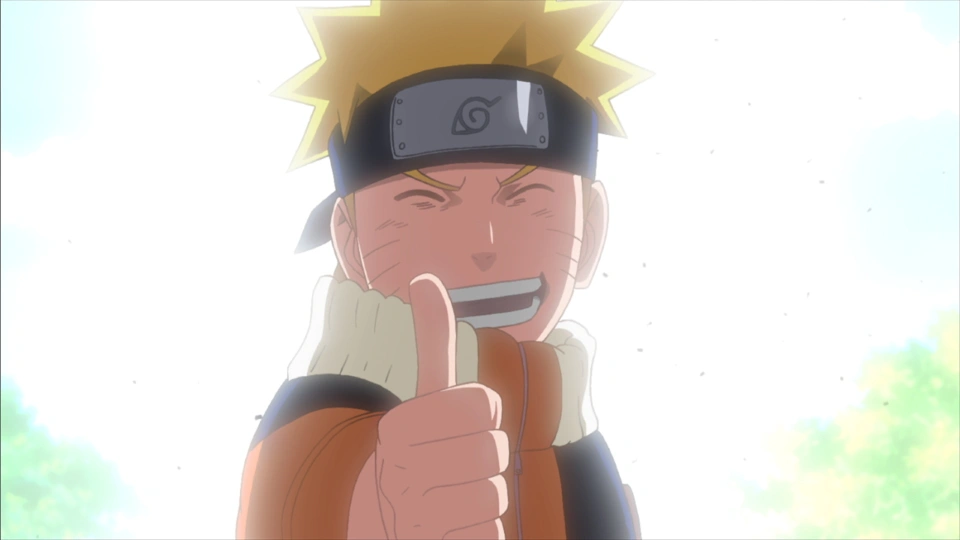
Best Action Anime of All Time You Must Watch
Best Action Anime of All Time You Must Watch
Action anime has always held a special place in the hearts of anime fans around the world. Intense fight scenes, powerful characters, and high-stakes conflicts make this genre timeless and endlessly entertaining. From classic long-running series to modern masterpieces, action anime continues to evolve while keeping its core appeal.
In this article, we’ll explore some of the best action anime of all time—titles that stand out not only for their spectacular battles, but also for their strong storytelling, memorable characters, and lasting impact on the anime industry.
1. Naruto & Naruto Shippuden
When talking about action anime, Naruto is impossible to ignore. Created by Masashi Kishimoto, this series follows Naruto Uzumaki, a young ninja who dreams of becoming the strongest leader in his village. What starts as a simple underdog story gradually develops into a large-scale conflict involving war, ideology, and sacrifice.
Naruto Shippuden takes the action to another level, featuring more emotional battles and deeper character development. Iconic fights, powerful techniques, and strong themes of friendship and perseverance have made Naruto one of the most influential action anime ever created.
2. One Piece
One Piece is a legendary action anime that proves longevity doesn’t mean declining quality. The story follows Monkey D. Luffy and his crew as they search for the ultimate treasure known as the One Piece. Along the way, viewers are treated to intense battles, unique superpowers, and unforgettable characters.
What makes One Piece truly special is its massive world-building and emotional storytelling. Each arc brings meaningful conflicts and action-packed moments, making it one of the best action anime of all time—and it’s still ongoing.
3. Attack on Titan (Shingeki no Kyojin)
Attack on Titan offers a darker and more brutal take on action anime. Set in a world where humanity fights for survival against giant humanoid creatures called Titans, the series delivers nonstop tension and explosive combat scenes.
As the story progresses, the focus shifts from simple survival to complex political and moral conflicts. With stunning animation, epic music, and shocking plot twists, Attack on Titan has earned its reputation as a modern action anime masterpiece.
4. Dragon Ball Z
For many fans, Dragon Ball Z is the definition of action anime. Goku’s battles against powerful enemies like Frieza, Cell, and Majin Buu are iconic moments that shaped an entire generation of anime fans.
The series popularized concepts such as intense training, power-ups, and epic transformations like Super Saiyan. Even decades later, Dragon Ball Z remains highly influential and continues to inspire modern action anime.
5. Demon Slayer (Kimetsu no Yaiba)
Demon Slayer represents the new generation of action anime with top-tier animation quality. The story centers on Tanjiro Kamado, a kind-hearted boy who becomes a demon slayer to save his sister and avenge his family.
Produced by Ufotable, the anime features fluid sword fights, stunning visual effects, and emotional storytelling. Its combination of fast-paced action and beautiful animation quickly made Demon Slayer one of the most popular action anime worldwide.
6. Fullmetal Alchemist: Brotherhood
Fullmetal Alchemist: Brotherhood is widely praised for its perfect balance between action and story. It follows two brothers, Edward and Alphonse Elric, who use alchemy in their quest to restore their bodies after a failed experiment.
The anime delivers creative battle sequences while exploring deep themes such as morality, sacrifice, and the consequences of human ambition. Its well-structured plot and satisfying conclusion make it a timeless action anime classic.
7. Jujutsu Kaisen
As a standout modern action anime, Jujutsu Kaisen brings fast, brutal combat and a darker atmosphere. The story revolves around cursed spirits and sorcerers who fight to protect humanity from supernatural threats.
With dynamic fight choreography, sharp animation, and popular characters like Gojo Satoru, Jujutsu Kaisen quickly gained global recognition. It’s often considered one of the best action anime of the current era.
Why Action Anime Remains Popular
There are several reasons why action anime continues to dominate the industry:
Spectacular and visually exciting fight scenes
Strong character growth and motivation
Emotional conflicts that keep viewers invested
Long-term storytelling with memorable moments
Action anime often blends well with fantasy, adventure, or supernatural elements, keeping the genre fresh and appealing to a wide audience.
Conclusion
The best action anime of all time are more than just flashy battles. They offer compelling stories, unforgettable characters, and meaningful themes that resonate with viewers long after the final episode. From classic titles like Dragon Ball Z and Naruto to modern hits like Demon Slayer and Jujutsu Kaisen, action anime continues to define the medium.
Whether you’re a longtime fan or a newcomer looking for an exciting series to start with, these action anime are truly worth watching.